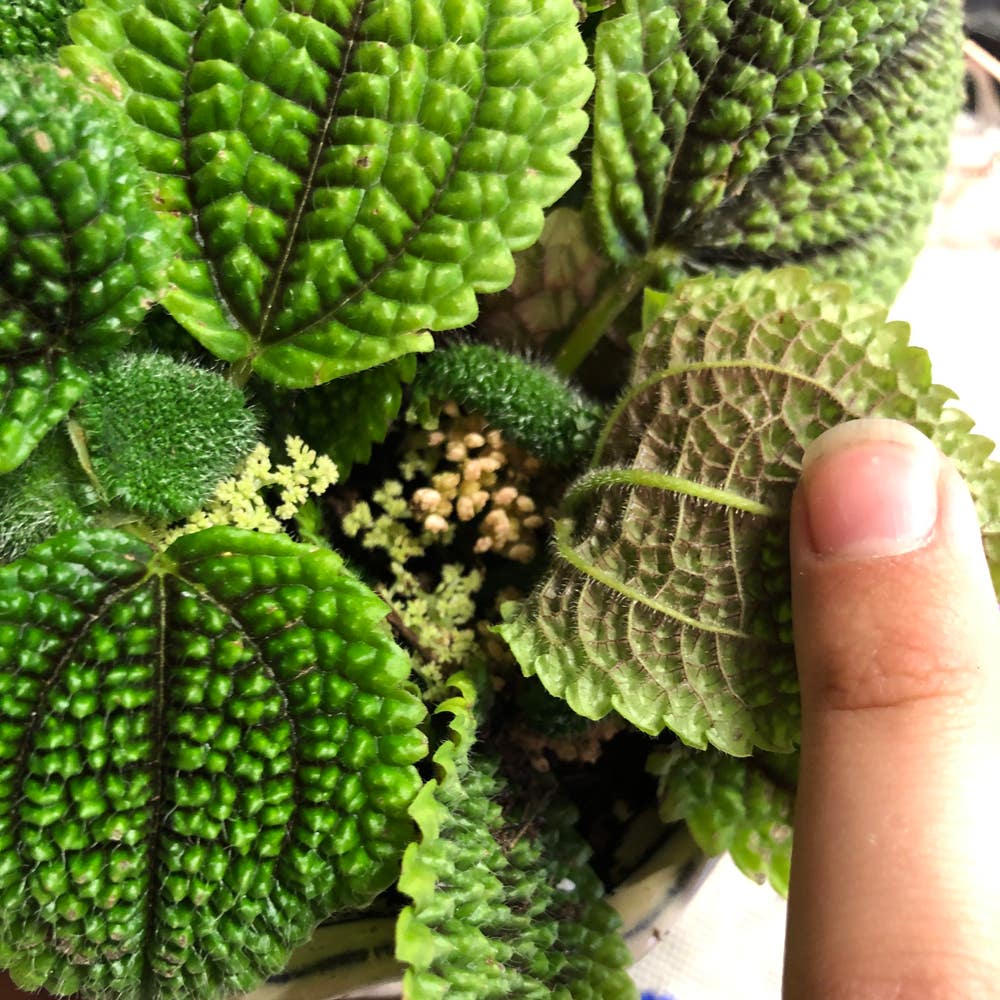
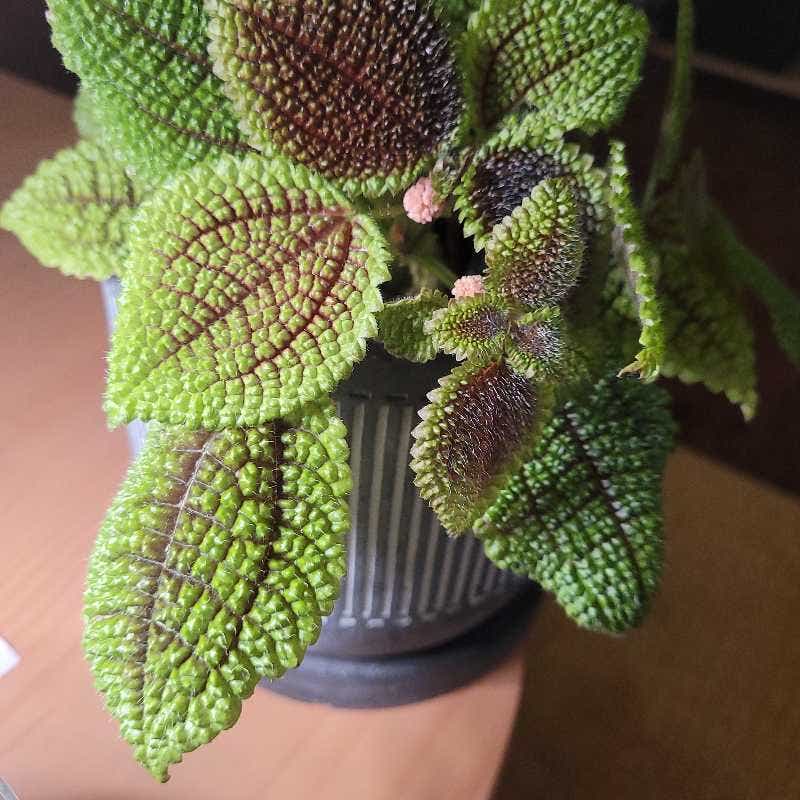
Black Spots on My Pilea mollis Leaves
Pilea mollis
By the Greg Editorial Team
Jun 18, 2024•3 min read
This article was created with the help of AI so we can cover more plants for you. May contain errors. See one? Report it here.
- Overwatering and poor airflow lead to black spots on Pilea mollis.
- Isolate and treat with fungicides or natural remedies like chamomile tea.
- Prevent spots by adjusting watering, improving circulation, and regular checks.
Pinpointing the Culprits Behind Black Spots
💧 Overwatering Woes
Overwatering is the plant equivalent of a bad diet—it's a fast track to health issues. Signs your Pilea mollis is getting too much H2O include black spots on leaves, a telltale sign of distress. Roots need air as much as they need water; too much of the latter and they'll start to rot, manifesting as black lesions above.
To adjust your watering routine, let the soil's top inch dry out before giving your plant another drink. It's like checking your fridge before grocery shopping—don't stock up if you don't need to.
🌬 Airflow Issues
Stagnant air is to black spots what a stagnant career is to frustration—it just makes things worse. Good air circulation is crucial in keeping those spots at bay. It's like opening a window to clear out a stuffy room—plants need that breath of fresh air too.
Improve airflow by not crowding your plants. Think of a packed elevator on a hot day—no one's happy. Give your Pilea mollis its personal space, and consider a fan if you're dealing with a particularly stagnant area.
🦠 Pathogen Problems
Bacterial and fungal infections are the plant world's version of the common cold—annoying and often hard to shake. These pathogens love moisture and warmth, so overwatering and poor air circulation are basically throwing a pathogens' party.
To understand the conditions favoring pathogen growth, think of a wet, warm bathroom post-shower—perfect for mold. Keep your Pilea mollis environment less inviting to unwanted guests by keeping it dry and cool.

First Aid for Your Pilea Mollis
🚑 Immediate Steps to Take
Isolating your Pilea mollis is like hitting the brakes when you see a red light—it’s non-negotiable. Separate the spotted suspect from its leafy companions to prevent any contagion spread. Next, channel your inner surgeon and snip off the black-spotted leaves. Sterilize your scissors with rubbing alcohol to avoid playing tag with pathogens.
💊 Choosing the Right Treatment
When your Pilea looks more like a Dalmatian than a plant, it's time to consider fungicides. But don’t just grab any bottle off the shelf; ensure it’s suitable for your Pilea mollis. If you're more of a DIY enthusiast, chamomile tea isn’t just for sipping—it’s a natural antifungal. Brewed and cooled, it can be a gentle remedy for your plant’s fungal woes. Remember, though, the best offense is a good defense—keep an eye on your watering habits to keep those black spots in the history books.

Keeping Black Spots at Bay
💧 Watering Wisdom
Mastering the art of watering is crucial for your Pilea mollis. Overwatering invites black spots like uninvited guests to a party. Check the soil's moisture with your finger; if it's damp, hold off on the H2O. Remember, Pilea prefers to dry out between drinks.
💨 Air Circulation Strategies
Good air movement is like a breath of fresh air for your Pilea mollis. Avoid stuffing your plant in a stagnant corner. Use a fan or place it in a naturally breezy area to discourage mold's unwelcome advances. Rotate your plant occasionally to ensure all sides get their share of air and light.
👩⚕️ Regular Health Checks
Inspect your Pilea mollis regularly, as if you're scrolling through your favorite social feed. Early detection of black spots can save your plant's life. Look under the leaves and around the stems; if you spot trouble, act swiftly to remedy the situation.

⚠️ Safety First
This content is for general information and may contain errors, omissions, or outdated details. It is not medical, veterinary advice, or an endorsement of therapeutic claims.
Always consult a qualified healthcare professional before using any plant as food, medicine, or supplement.
Never eat any plant (or feed one to pets) without confirming its identity with at least two trusted sources.
If you suspect poisoning, call Poison Control (800) 222-1222, the Pet Poison Helpline (800) 213-6680, or your local emergency service immediately.
Spotted an error? Please report it here.
Prevent black spots 🍃 on your Pilea mollis by letting Greg tailor your watering schedule to keep your plant healthy and spot-free!