🌙 4 Outdoor Care Tips for Moon Valley Pilea
Pilea mollis
By the Greg Editorial Team
Oct 02, 2024•4 min read
This article was created with the help of AI so we can cover more plants for you. May contain errors. See one? Report it here.
- 🌞 Moon Valley Pilea loves bright, indirect sunlight; avoid leaf scorch from too much sun.
- 💧 Water every 1-2 weeks; check soil moisture to prevent overwatering and root rot.
- 🌱 Use a well-draining soil mix for healthy roots; adjust care seasonally for best growth.
Sunlight Needs
Ideal Sunlight Exposure for Outdoor Growth 🌞
Moon Valley Pilea thrives best in bright, indirect sunlight. While it can tolerate some direct morning sun, too much exposure can lead to stress.
Signs of Too Much or Too Little Sunlight 🔍
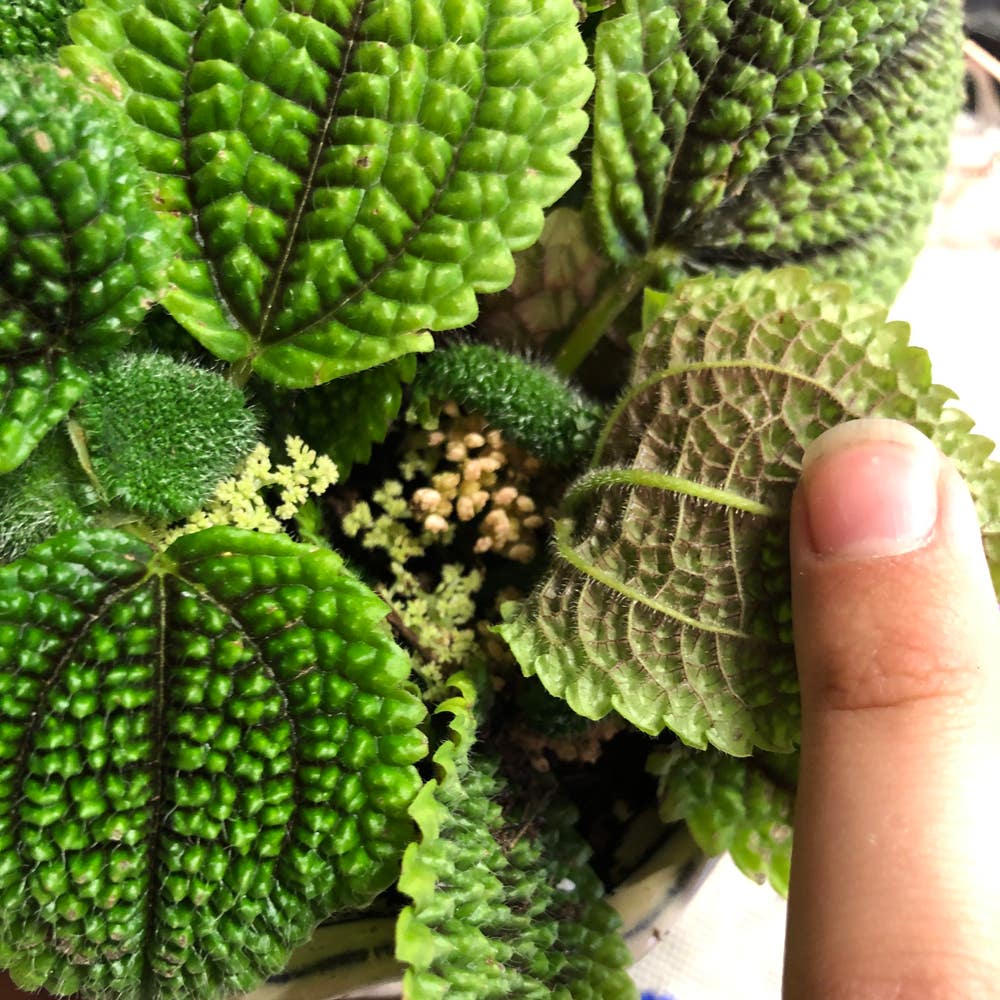
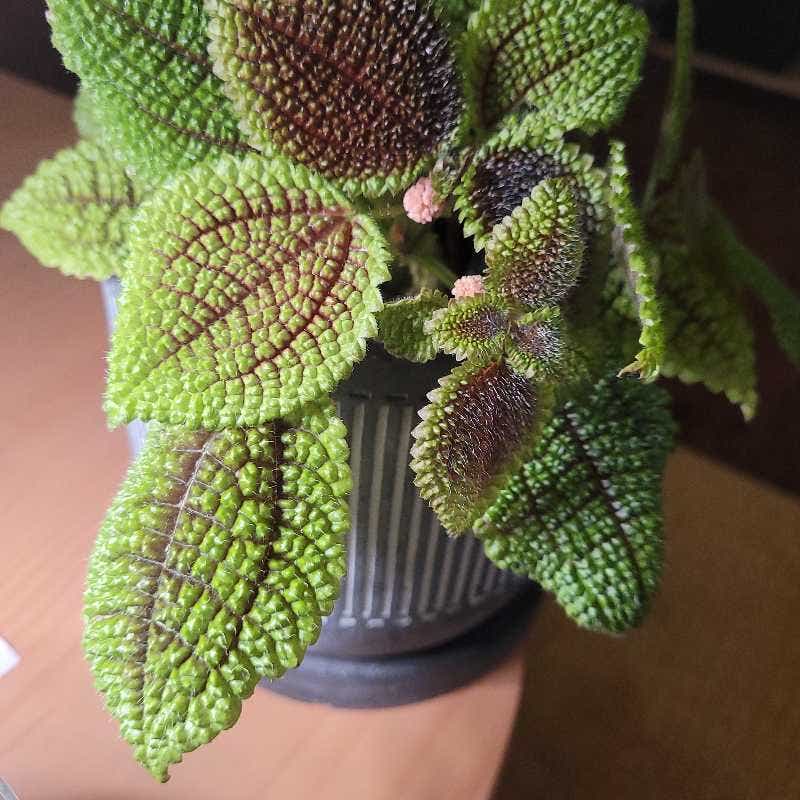
Watch for signs of too much sunlight, such as leaf scorch, which manifests as brown edges and crispy leaves. Conversely, if you notice leggy growth with stretched stems and sparse leaves, your plant may not be getting enough light.
Understanding these sunlight needs is crucial for keeping your Moon Valley Pilea healthy and vibrant. Next, let’s explore the watering requirements to ensure your plant gets the hydration it needs.
Watering Requirements
🌧️ How to Determine When to Water
To keep your Moon Valley Pilea thriving, checking the soil moisture is essential. Simply stick your finger 1-2 inches into the soil; if it feels dry, it’s time to water.
Underwatering can lead to droopy leaves and dry soil, signaling that your plant needs a drink. Pay attention to these signs to maintain its health.
💦 Best Practices for Outdoor Watering
For optimal growth, water your Pilea every 1-2 weeks, adjusting based on rainfall and temperature. This frequency helps ensure your plant gets the moisture it needs without becoming waterlogged.
When watering, aim for deep watering to encourage robust root growth. Avoid overhead watering, as it can promote fungal diseases that threaten your plant's vitality.
By following these watering guidelines, you’ll set your Moon Valley Pilea up for success. Next, let’s explore the ideal soil preferences to further enhance its outdoor care.
Soil Preferences
Ideal Soil Composition 🌱
For your Moon Valley Pilea, the right soil mix is crucial. Aim for a blend of 50% potting soil, 30% perlite, and 20% peat moss.
Importance of Drainage and Aeration 🚰
Well-draining soil is essential to prevent root rot. Good aeration promotes healthy root development, allowing your plant to thrive.
With the right soil in place, your Moon Valley Pilea will be set for success. Next, let’s explore the best planting options to maximize its growth potential.
Planting Options
🌱 Benefits of Container Planting
Container planting offers fantastic mobility. You can easily shift your Moon Valley Pilea to find the perfect sunlight or shelter it from harsh weather.
Another advantage is the control over soil quality and drainage. You can customize the mix to ensure your plant thrives, reducing the risk of root rot.
⚖️ Pros and Cons of In-Ground Planting
In-ground planting provides a natural growth environment. Your Pilea can spread its roots freely, accessing nutrients and moisture from the surrounding soil.
However, this method comes with drawbacks. You have less control over soil conditions, and your plant may face more pests and diseases.
Choosing between container and in-ground planting ultimately depends on your gardening style and the specific needs of your Moon Valley Pilea.
Next, let’s explore how to protect your plant from extreme weather conditions.
Weather Protection and Seasonal Care
🌪️ Strategies for Protecting from Extreme Weather
Protecting your Moon Valley Pilea from extreme weather is crucial for its health. During cold snaps, use frost cloths or bring containers indoors to shield them from frost damage.
In the heat of summer, providing shade is essential. This helps prevent leaf scorch, ensuring your plant thrives even in high temperatures.
🍂 Adjusting Care Routines with Seasonal Changes
As the seasons change, so should your care routine. In spring, increase watering and fertilization as your plant resumes growth.
Summer is the time to be vigilant. Monitor for pests and adjust your watering frequency to keep your Pilea healthy.
As fall approaches, prepare your plant for dormancy by reducing fertilization. This helps it conserve energy for the winter months.
In winter, protect your plant from frost and limit watering. This ensures it remains dormant without the risk of overwatering.
🌍 Special Considerations for Different Climate Zones
Understanding your climate zone is vital for outdoor growth. USDA zones 9-11 are ideal for Moon Valley Pilea.
Adjust your care practices based on local climate conditions. This ensures your plant receives the best possible care tailored to its environment.
With these strategies in mind, your Moon Valley Pilea will flourish through the seasons. Next, let’s explore the best soil preferences to support its growth.
⚠️ Safety First
This content is for general information and may contain errors, omissions, or outdated details. It is not medical, veterinary advice, or an endorsement of therapeutic claims.
Always consult a qualified healthcare professional before using any plant as food, medicine, or supplement.
Never eat any plant (or feed one to pets) without confirming its identity with at least two trusted sources.
If you suspect poisoning, call Poison Control (800) 222-1222, the Pet Poison Helpline (800) 213-6680, or your local emergency service immediately.
Spotted an error? Please report it here.
Keep your Moon Valley Pilea thriving outdoors 🌱 by using Greg's tailored watering reminders and soil moisture checks to ensure it gets the care it needs!