🌙 Ultimate Guide to Growing Moon Valley Pilea
Pilea mollis
By the Greg Editorial Team
Oct 02, 2024•7 min read
This article was created with the help of AI so we can cover more plants for you. May contain errors. See one? Report it here.
- 🌱 Moon Valley Pilea thrives in bright, indirect light; avoid direct sunlight to protect leaves.
- 🏡 Well-draining soil is essential; mix potting soil, perlite, and orchid bark for best results.
- 💧 Water when the top inch of soil is dry; monitor for signs of overwatering or underwatering.
Unique Features and Characteristics
Distinctive Features 🌟
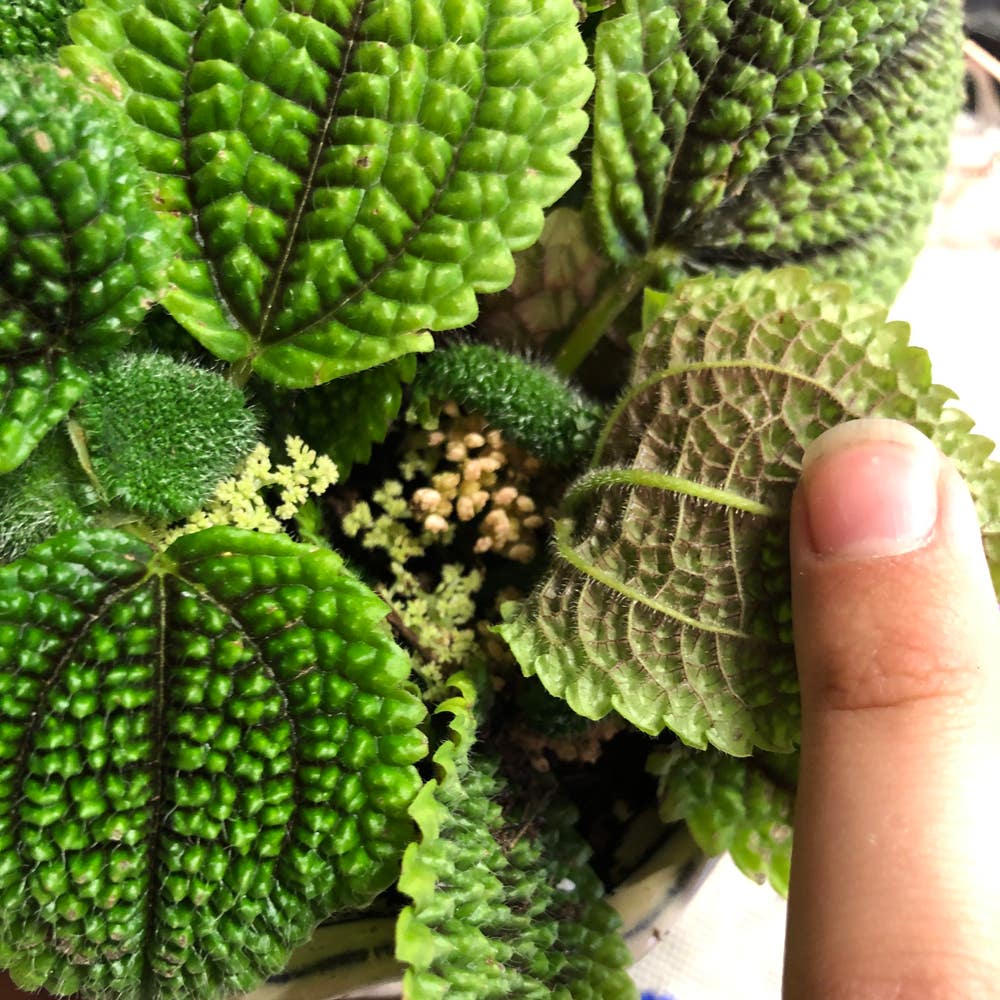
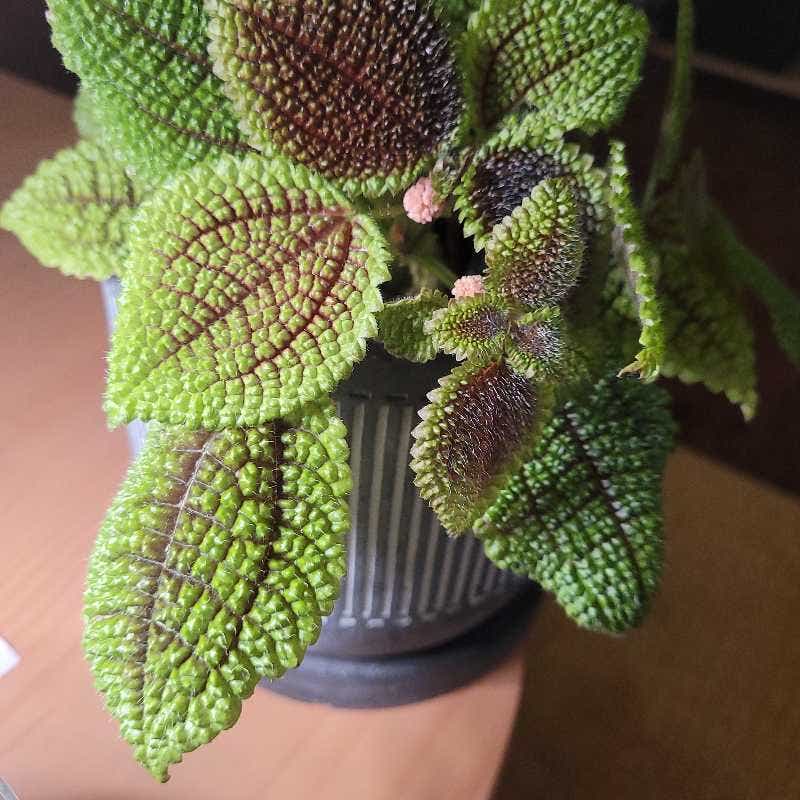
The Moon Valley Pilea is a showstopper with its round leaves that boast a textured surface and delightful variegation. This plant's compact and bushy growth habit makes it an ideal choice for indoor spaces, adding a touch of greenery without overwhelming your decor.
Typically, the Moon Valley Pilea reaches a height of about 12 to 18 inches, making it a perfect fit for tabletops or shelves. Its manageable size allows it to thrive in various indoor environments, bringing life and vibrancy to any room.
The unique characteristics of this plant not only enhance its aesthetic appeal but also make it a conversation starter. Whether you're a seasoned plant parent or a beginner, the Moon Valley Pilea is sure to capture your heart and elevate your indoor gardening game.
As we delve deeper into the care and maintenance of this charming plant, you'll discover how to keep it thriving in your home.
Site Selection and Soil Preparation
🌍 Choosing the Right Location (Indoor vs. Outdoor)
Selecting the right location for your Moon Valley Pilea is crucial for its growth. For indoor settings, aim for bright, indirect light; direct sunlight can scorch those lovely leaves.
If you're considering outdoor placement, ensure your Pilea is in a warm climate with partial shade. Also, keep an eye on humidity levels—higher humidity will help your plant thrive.
🪴 Soil Composition and Drainage Requirements
Soil quality can make or break your plant's health. Well-draining soil is essential to prevent root rot, which can be a common issue.
A recommended mix includes potting soil, perlite, and orchid bark. This combination provides the right balance of moisture retention and drainage. Aim for a pH range of 6.0 to 7.0 for optimal growth.
🧪 Potting Mix Recommendations
When it comes to potting mixes, you have options. Commercial mixes designed for houseplants are a safe bet.
If you're feeling adventurous, you can create your own DIY mix. Combine equal parts peat moss, perlite, and compost for a blend that promotes aeration and moisture retention. This will give your Moon Valley Pilea the best chance to flourish.
With the right location and soil in place, you're well on your way to nurturing a healthy Moon Valley Pilea. Next, let's dive into effective planting techniques to set your plant up for success.
Planting Techniques
Step-by-Step Planting Instructions 🌱
Planting your Moon Valley Pilea is straightforward and rewarding. Follow these easy steps to ensure a successful start.
- Choose a pot with drainage holes. This is crucial to prevent water from pooling at the bottom.
- Fill the pot with prepared potting mix, leaving enough space for the root ball.
- Place the Pilea in the center and fill around the roots with soil, ensuring it’s snug but not too tight.
- Water thoroughly to settle the soil, allowing excess water to drain out.
Container vs. Ground Planting 🏡
Deciding between container and ground planting can impact your Pilea's growth.
- Container planting is easier to manage and allows for mobility, making it simple to adjust light exposure.
- Ground planting requires suitable outdoor conditions, so ensure proper drainage to keep roots healthy.
Spacing and Depth Considerations 📏
Proper spacing and depth are vital for your Pilea's health.
- Spacing: If planting multiple Pileas, space them 12-18 inches apart to allow for growth.
- Depth: Plant at the same depth as in the nursery pot to avoid stress on the roots.
With these planting techniques, you’re well on your way to nurturing a thriving Moon Valley Pilea. Next, let’s explore how to care for your plant through watering and fertilizing.
Watering and Fertilizing
💧 Watering Frequency and Techniques
Water your Moon Valley Pilea when the top inch of soil feels dry. Using room temperature water is best; cold water can shock the plant.
To ensure thorough hydration, water until it drains from the bottom of the pot. This technique helps maintain consistent moisture levels.
🚫 Signs of Overwatering and Underwatering
Recognizing the signs of overwatering is crucial. Look for yellowing leaves, mushy stems, and root rot as indicators that you may be giving your plant too much water.
On the flip side, underwatering can lead to wilting leaves, dry soil, and leaf drop. Keeping an eye on these symptoms will help you maintain a healthy plant.
📅 Fertilization Schedule and Types of Fertilizers
Fertilize your Pilea every 4-6 weeks during the growing season, which runs from spring to summer. A balanced, water-soluble fertilizer with an NPK ratio of 10-10-10 works wonders for growth.
As the seasons change, reduce fertilization in fall and winter. This adjustment allows your plant to rest and conserve energy during the cooler months.
With proper watering and fertilizing techniques, your Moon Valley Pilea will thrive beautifully. Next, let’s explore effective pruning and maintenance strategies to keep your plant in top shape.
Pruning and Maintenance
When and How to Prune 🌿
Pruning your Moon Valley Pilea in spring is essential for promoting bushier growth. Focus on removing any dead or yellowing leaves, as well as leggy stems, to keep your plant looking vibrant.
Use clean, sharp scissors for precise cuts. This helps prevent any potential disease spread and encourages healthy new growth.
Maintenance Tips for Healthy Growth 🐞
Regularly checking for pests and diseases is crucial for your plant's health. Look out for common issues like spider mites or aphids, and act quickly if you notice any signs.
Rotating your plant periodically ensures even light exposure, which is vital for balanced growth. Additionally, dusting the leaves occasionally enhances photosynthesis, allowing your Pilea to thrive.
Seasonal Care Adjustments ❄️
During winter months, increasing humidity can make a significant difference. Consider using a humidifier or placing a pebble tray filled with water near your plant to create a more favorable environment.
Adjusting your watering frequency based on seasonal temperature changes is also important. As temperatures drop, your plant may require less water, so keep an eye on the soil moisture levels.
With these pruning and maintenance tips, your Moon Valley Pilea will flourish beautifully. Next, let’s explore common challenges and solutions to keep your plant in top shape.
Common Challenges and Solutions
🐛 Identifying Pests and Diseases
Pests can be a real headache for your Moon Valley Pilea. Common culprits include spider mites, aphids, and mealybugs.
Look for signs of infestation like sticky residue, webbing, or discolored leaves. Catching these issues early can save your plant from serious damage.
🛠️ Solutions for Common Growth Problems
Overwatering is a frequent issue that can lead to root rot. If you notice yellowing leaves, allow the soil to dry out and consider repotting if necessary.
On the flip side, underwatering can cause wilting and dry soil. Increase your watering frequency and keep an eye on soil moisture levels to keep your plant thriving.
🔍 Tips for Troubleshooting Care Issues
Establishing a consistent plant care routine is key. Regular monitoring helps you catch problems before they escalate.
Consider using the Greg plant care app for reminders on watering and fertilizing. It’s a handy tool to keep your plant care on track.
Don’t hesitate to consult plant care forums or local gardening centers for advice. The gardening community is a treasure trove of knowledge and support.
With these tips, you can tackle common challenges and ensure your Moon Valley Pilea remains healthy and vibrant. Next, let’s explore the essential pruning and maintenance techniques to keep your plant in top shape.
⚠️ Safety First
This content is for general information and may contain errors, omissions, or outdated details. It is not medical, veterinary advice, or an endorsement of therapeutic claims.
Always consult a qualified healthcare professional before using any plant as food, medicine, or supplement.
Never eat any plant (or feed one to pets) without confirming its identity with at least two trusted sources.
If you suspect poisoning, call Poison Control (800) 222-1222, the Pet Poison Helpline (800) 213-6680, or your local emergency service immediately.
Spotted an error? Please report it here.
Transform your space with a thriving Moon Valley Pilea 🌿 by using Greg's tailored reminders and expert tips to ensure your plant flourishes beautifully!