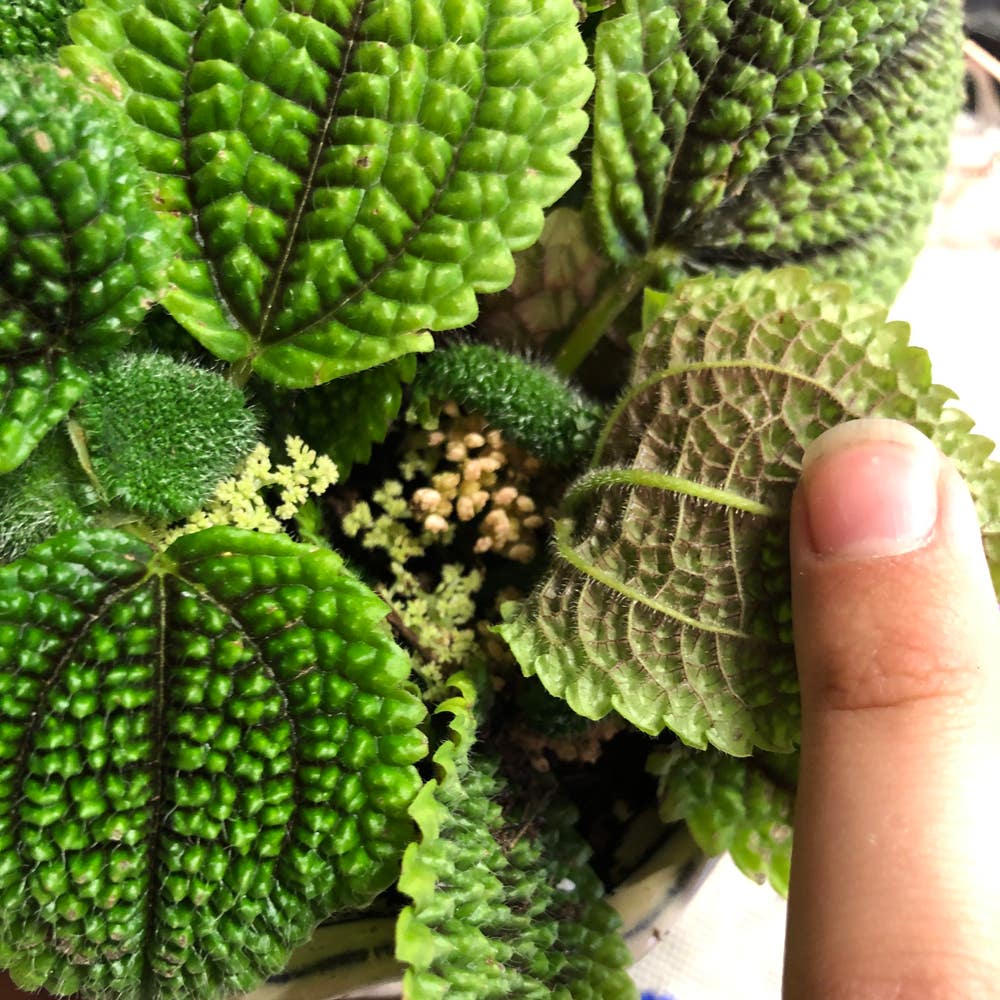
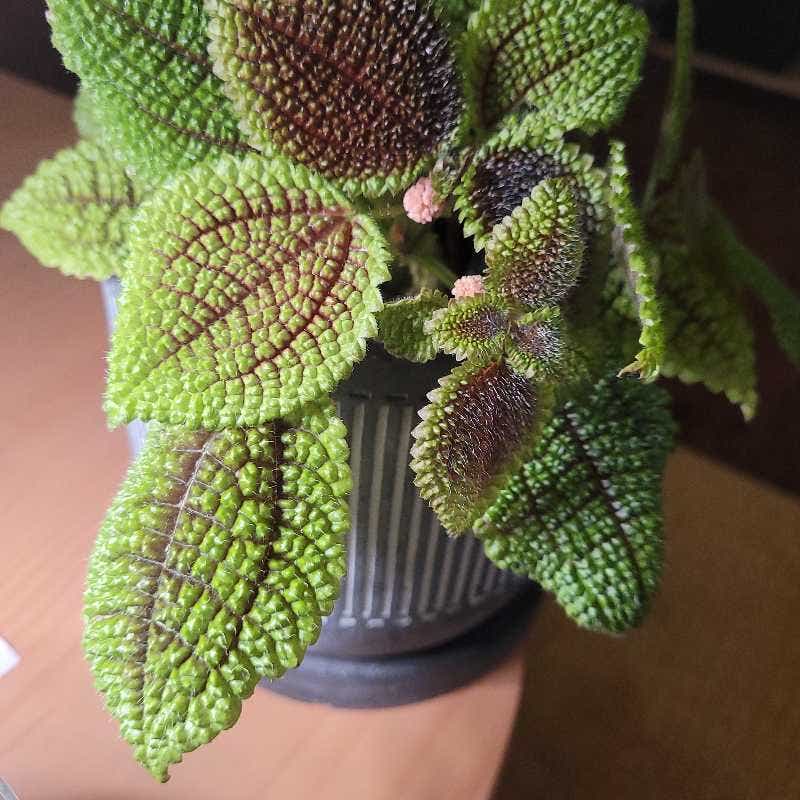
🌞 Is My Pilea mollis Getting Too Much Direct Sunlight?
Pilea mollis
By the Greg Editorial Team
Jun 18, 2024•4 min read
This article was created with the help of AI so we can cover more plants for you. May contain errors. See one? Report it here.
- Crispy leaves and leggy stems signal too much sun for Pilea mollis.
- 🌱 Bright, indirect sunlight is ideal; adjust with sheer curtains or plant placement.
- Rotate and reposition seasonally to ensure even growth and prevent sunburn.
Spotting the Signs: Is Your Pilea Mollis Sunburned?
🚨 Symptoms of Too Much Sun
Discoloration is a red flag for Pilea mollis owners. If your plant's leaves are sporting a new tan of brown or yellow patches, it's not trying out a new look—it's sunburned. Crispy leaves are another SOS signal; they're not just overcooked, they're crying out for shade.
Leggy stems and sparse leaves are the plant's way of saying it's stretching for the sun, but not in a good way. Think of it as your Pilea doing yoga without a mat—uncomfortable and unsustainable.
🚑 Immediate Actions to Take
Caught your Pilea mollis sunbathing too long? Time for some first aid. Move it out of the direct sunlight, stat. Think of a spot that gets light but not the full brunt of the sun's midday concert.
When your Pilea's leaves look more fried than a beachgoer without sunscreen, it's time to reassess its sunbathing habits. If the crispy situation doesn't improve, or you spot more sinister signs like root rot, it might be time to seek more help—a professional plant guru or a well-versed community online.

Pilea Mollis' Sunlight Preferences: A Delicate Balance
🌴 Native Habitat Insights
Pilea mollis, your jungle-dwelling comrade, craves the dappled light of its native tropics. Bright indirect sunlight is its jam, mimicking the canopy-filtered rays it basks in back home.
🌞 Direct vs. Indirect Sunlight for Pilea mollis
The sweet spot? A Goldilocks amount of light. Too much direct sun, and you'll have a crispy plant on your hands. Too little, and it's lethargy city. Aim for a place where the light is bright but non-confrontational—think of it as the plant's personal zen zone.

Windows and Hemispheres: Navigating the Sun's Path for Pilea Mollis
🌞 Window Wisdom: Choosing the Best Spot
Direction matters when it comes to the health of your Pilea mollis. In the Northern Hemisphere, south-facing windows are a no-go due to intense sunlight. East or west-facing windows offer a gentler touch of the sun's rays, ideal for your Pilea's delicate leaves.
North-facing windows are the safest bet for consistent, indirect light, especially if you're not keen on playing musical chairs with your plant pots. Remember, a sunburned Pilea is a sad Pilea.
🌍 Hemisphere Hacks
Location, location, location—it's not just for real estate. In the Southern Hemisphere, flip the script: north-facing windows are your plant's best friend for that golden glow without the scorch.
If you're down under or up over, adjust your Pilea's spot with the seasons. Summer sun can be brutal, so pull back from windows or diffuse with sheer curtains. In winter, cozy up to the glass for that much-needed warmth and light. Keep it rotating to avoid lopsided growth—nobody wants a lopsided Pilea.

Protecting Pilea Mollis from Harsh Rays
💡 Practical Sun Shields
Sheer curtains are the unsung heroes in the battle against scorching sunlight. They transform the sun's glare into a soft, diffused light that your Pilea mollis can bask in without the risk of sunburn. If you're looking for a more high-tech solution, UV protective film is like an invisible bodyguard for your green buddy's delicate leaves.
Finding the perfect spot for your plant is like a game of chess; it requires strategy. Rotate your Pilea mollis to ensure it gets even light and to prevent it from reaching out like it's trying to escape the pot. If it's starting to look crispy, pull it back from the window. Too pale? Nudge it closer, but keep it out of the direct sun's embrace.
🌞 Seasonal Shifts and Sunlight
As the seasons change, so should your Pilea mollis' position. Summer might mean pulling your plant away from that sun-drenched windowsill to prevent it from turning into a leafy piece of toast. Winter, on the other hand, calls for a cozy spot where it can enjoy the weaker rays without feeling like it's been left out in the cold.
Remember, it's not just about surviving; it's about thriving. Adjust your plant's location with the seasons, and watch it grow happier than a cat in a sunbeam—minus the sunburn, of course.
⚠️ Safety First
This content is for general information and may contain errors, omissions, or outdated details. It is not medical, veterinary advice, or an endorsement of therapeutic claims.
Always consult a qualified healthcare professional before using any plant as food, medicine, or supplement.
Never eat any plant (or feed one to pets) without confirming its identity with at least two trusted sources.
If you suspect poisoning, call Poison Control (800) 222-1222, the Pet Poison Helpline (800) 213-6680, or your local emergency service immediately.
Spotted an error? Please report it here.
Banish sunburn and guarantee your Pilea mollis gets its Goldilocks spot with Greg's PlantVision, ensuring even, lush growth without the guesswork 🌤.