🌙 Why Moon Valley Pilea Is Not an Annual
Pilea mollis
By the Greg Editorial Team
Oct 02, 2024•5 min read
This article was created with the help of AI so we can cover more plants for you. May contain errors. See one? Report it here.
- 🌱 Moon Valley Pilea is a perennial, thriving for 5-10 years with proper care.
- 🌼 It flowers after years, unlike annuals, marking a significant lifecycle milestone.
- 🌿 Sensitive to cold, many mistakenly treat it as an annual; proper care is key.
Genetic and Physiological Characteristics
🌱 Long-term Lifecycle of Moon Valley Pilea
The Moon Valley Pilea is a perennial plant with a lifespan that typically ranges from 5 to 10 years or even longer. Factors such as environmental conditions, care practices, and disease resistance can significantly influence its longevity.
📈 Growth Patterns Specific to Moon Valley Pilea
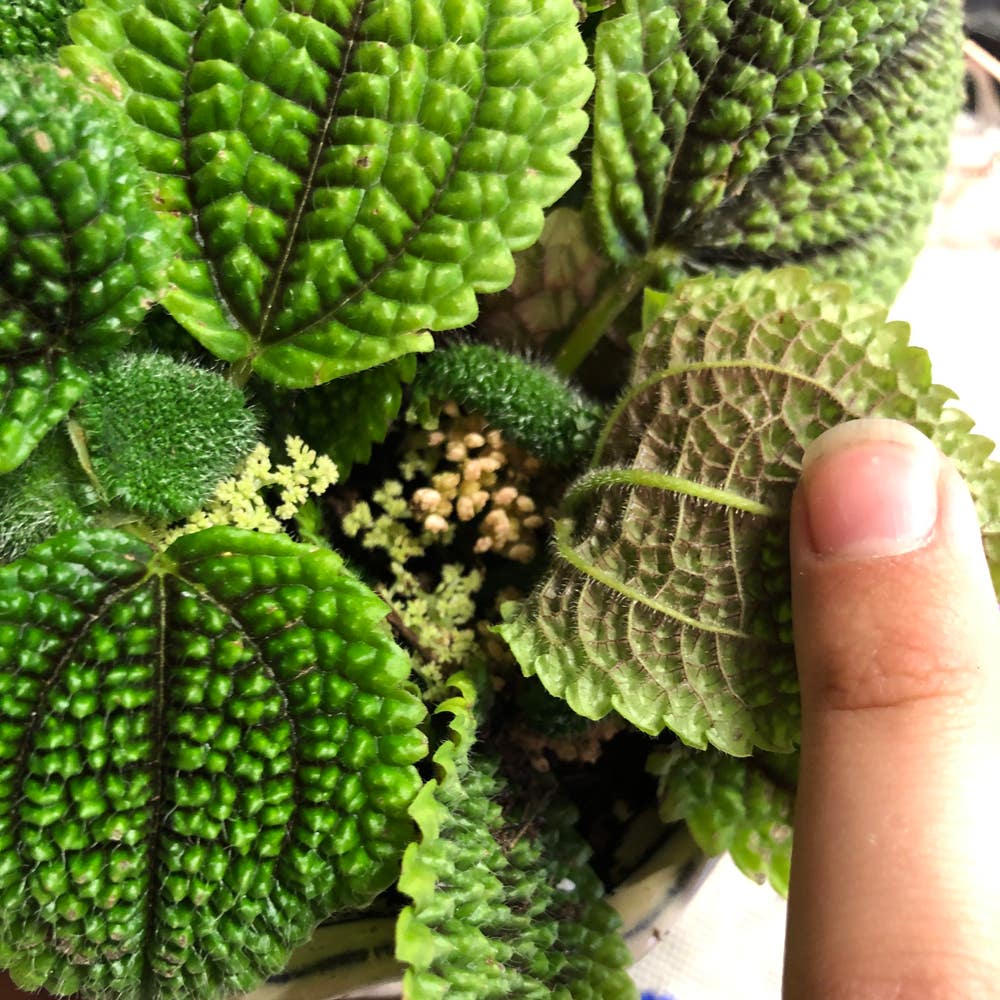
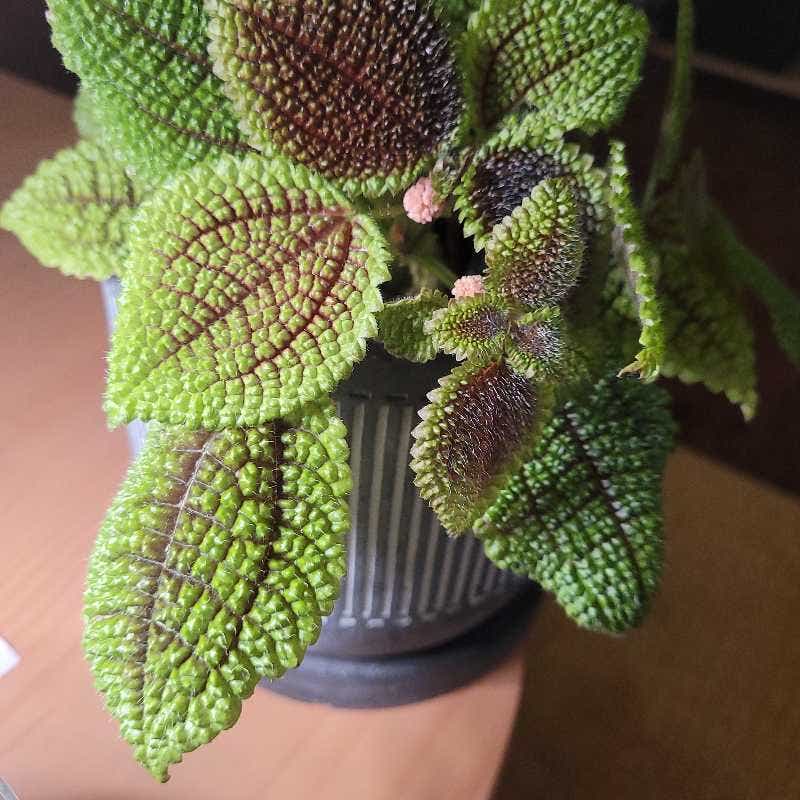
This plant exhibits a distinctive upright and bushy growth habit, making it a striking addition to any garden. It also produces offsets, commonly known as pups, which play a crucial role in its propagation and overall health.
🌼 Reproductive Strategies of Moon Valley Pilea
Flowering in Moon Valley Pilea occurs after several years, marking a significant milestone in its lifecycle. The seed production process is intricate and contributes to its classification as a perennial, distinguishing it from annual plants that complete their lifecycle in a single season.
Understanding these genetic and physiological characteristics helps gardeners appreciate the unique qualities of Moon Valley Pilea, setting the stage for effective cultivation and care.
Lifecycle Implications
🌱 Growth and Flowering Cycles of Moon Valley Pilea
Moon Valley Pilea thrives with a clear seasonal rhythm. During spring and summer, it experiences active growth, showcasing lush foliage and vibrant energy.
As temperatures drop in fall and winter, the plant enters a dormancy period. This phase is crucial for its health, allowing it to conserve energy and prepare for the next growth cycle.
🌼 Seed Production in Moon Valley Pilea vs. Annuals
Unlike many annuals, Moon Valley Pilea has a unique seed production timeline. It typically flowers after several years, producing seeds less frequently than its annual counterparts.
When comparing seed viability, Moon Valley Pilea's seeds may have lower germination rates. This difference underscores its classification as a perennial, emphasizing its long-term growth strategy over quick, seasonal reproduction.
Understanding these lifecycle implications helps gardeners appreciate the Moon Valley Pilea's resilience and adaptability. This knowledge sets the stage for effective gardening strategies that maximize its potential in your landscape.
Common Misconceptions
🌙 Conditions Where Moon Valley Pilea May Be Mistaken for an Annual
Many gardeners mistakenly treat Moon Valley Pilea as an annual due to its sensitivity to extreme cold. When temperatures drop significantly, this plant can appear to die back, leading to the assumption that it won’t return.
Neglect can also contribute to this misperception. If the plant isn't cared for properly, it may struggle to thrive, reinforcing the idea that it’s a short-lived annual.
🌍 Regional Variations Affecting Moon Valley Pilea's Classification
Moon Valley Pilea adapts to various climates, which can influence how it’s perceived. In warmer regions, it may flourish as a perennial, while in cooler areas, it might struggle, leading some to treat it as an annual.
For example, in temperate zones, gardeners might find themselves replanting it each year, while in tropical climates, it can thrive and grow robustly. Understanding these regional differences is crucial for proper classification and care.
As we explore the lifecycle implications of Moon Valley Pilea, we’ll uncover how its growth and flowering cycles further distinguish it from annual plants.
Gardening Strategies
Advantages of Planting Moon Valley Pilea as a Perennial 🌱
Choosing to plant Moon Valley Pilea as a perennial is a smart, long-term investment in your garden design. This resilient plant not only enhances the aesthetic appeal but also contributes significantly to biodiversity and ecosystem stability.
Perennials like the Moon Valley Pilea create a thriving environment for various pollinators and beneficial insects. By incorporating them into your garden, you’re fostering a healthier ecosystem that supports life.
Tips for Incorporating Moon Valley Pilea into Garden Design 🌼
When planning your garden, consider pairing Moon Valley Pilea with ideal companion plants. Varieties such as ferns, hostas, and shade-tolerant flowers can complement its lush foliage beautifully.
Placement is key for optimal growth and aesthetics. Aim for a location that provides partial shade, as this will help maintain the vibrant color and health of your Moon Valley Pilea.
Incorporating these strategies will not only enhance your garden's beauty but also ensure the longevity and health of your plants. With thoughtful planning, your Moon Valley Pilea can thrive as a stunning perennial centerpiece.
As you explore these gardening strategies, keep in mind the importance of nurturing your plants for a flourishing garden. Next, we’ll delve into effective management tips to maximize the health and longevity of your Moon Valley Pilea.
Management Tips
Best Practices for Managing Moon Valley Pilea as a Perennial 🌱
To keep your Moon Valley Pilea thriving, establish a consistent watering schedule. Aim to water when the top inch of soil feels dry, ensuring the plant doesn't sit in soggy conditions.
Fertilization is equally important. Use a balanced, water-soluble fertilizer every 4-6 weeks during the growing season to support robust growth.
Pruning Techniques to Encourage Healthy Growth ✂️
Pruning is essential for maintaining the shape and health of your Moon Valley Pilea. Trim back any leggy growth to encourage bushier foliage and remove any dead or yellowing leaves.
Regular pruning not only enhances aesthetics but also promotes better air circulation, reducing the risk of disease.
Maximizing Longevity and Health in the Garden 🌼
Creating the right environmental conditions is crucial for the longevity of your Moon Valley Pilea. Ensure it receives bright, indirect light and maintain a temperature range of 65-75°F for optimal growth.
Monitor humidity levels, as these plants thrive in a humid environment. Consider using a pebble tray or humidifier if your home is particularly dry.
Pest and Disease Management Strategies Specific to Perennials 🐛
Keep an eye out for common pests like spider mites and aphids. Regularly inspect your plant and use insecticidal soap or neem oil if you notice any infestations.
Additionally, practice good hygiene by removing fallen leaves and debris around the plant. This helps prevent fungal diseases and keeps your Moon Valley Pilea healthy and vibrant.
By following these management tips, you'll not only maximize the health of your Moon Valley Pilea but also enjoy its beauty for years to come. Next, let’s explore how to incorporate this stunning plant into your garden design effectively.
⚠️ Safety First
This content is for general information and may contain errors, omissions, or outdated details. It is not medical, veterinary advice, or an endorsement of therapeutic claims.
Always consult a qualified healthcare professional before using any plant as food, medicine, or supplement.
Never eat any plant (or feed one to pets) without confirming its identity with at least two trusted sources.
If you suspect poisoning, call Poison Control (800) 222-1222, the Pet Poison Helpline (800) 213-6680, or your local emergency service immediately.
Spotted an error? Please report it here.
Unlock the full potential of your Moon Valley Pilea 🌿 with Greg's tailored care tips and reminders, ensuring it thrives as a stunning perennial for years to come!