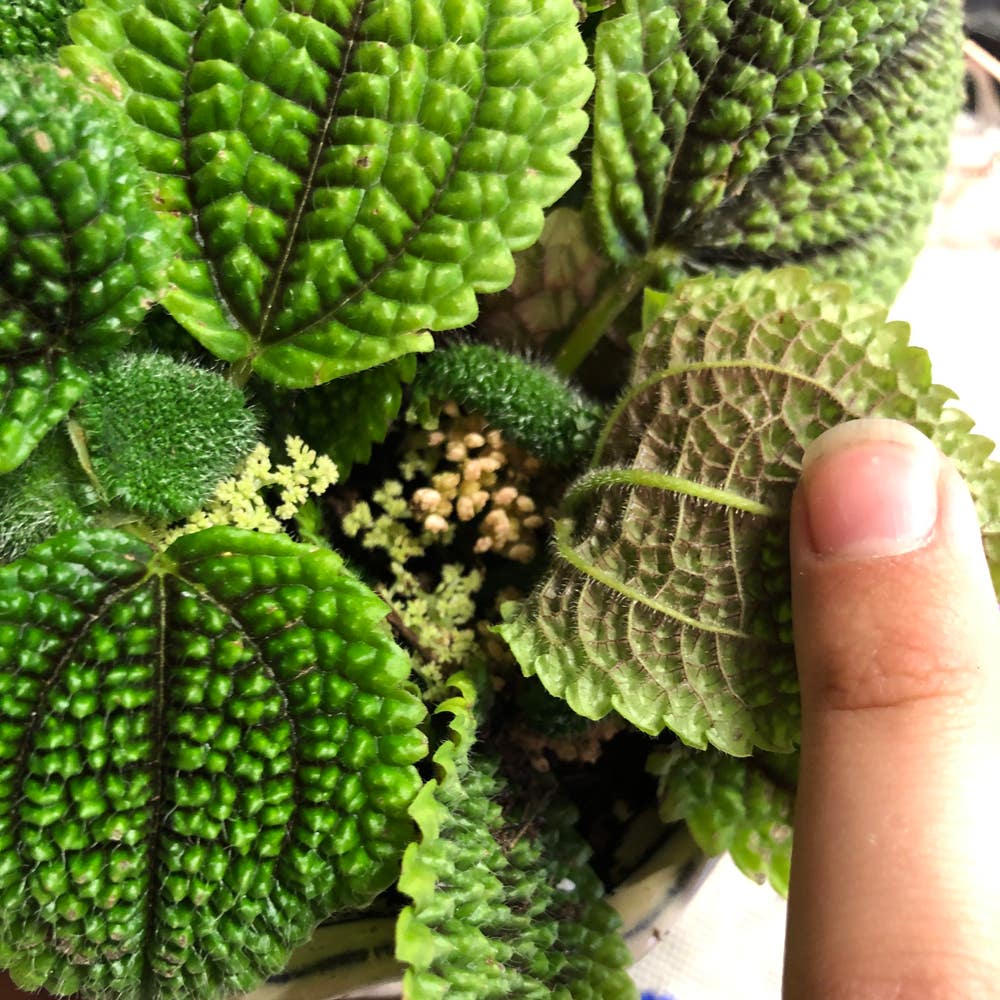
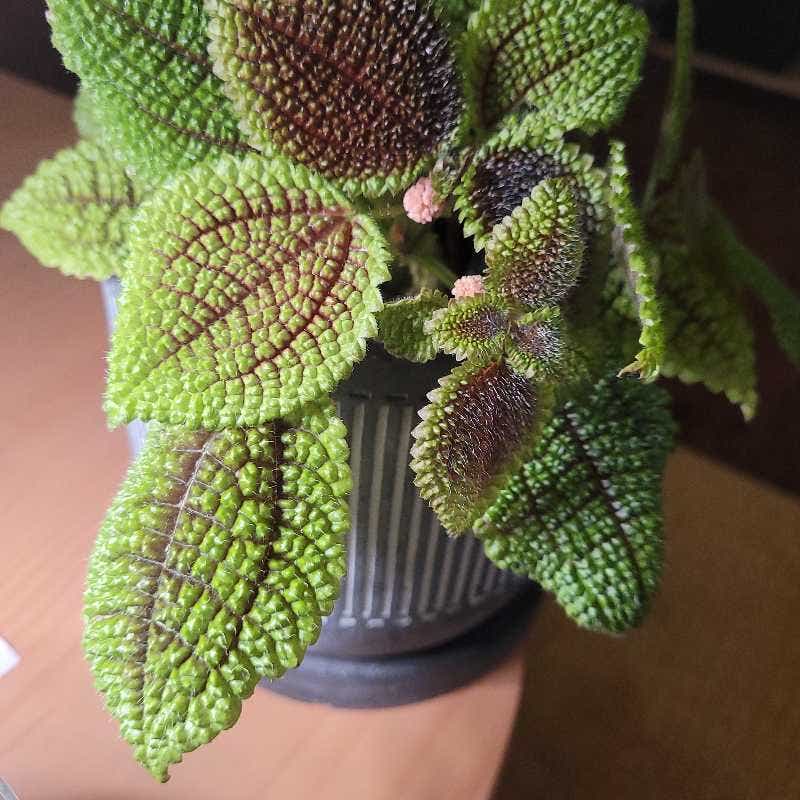
Why Are My Pilea mollis Leaves Curling?
Pilea mollis
By the Greg Editorial Team
Jun 18, 2024•4 min read
This article was created with the help of AI so we can cover more plants for you. May contain errors. See one? Report it here.
- 🌡️ Temperature, humidity, and light affect leaf curling. Adjust for happy Pilea mollis.
- 💧 Water correctly—too much or too little causes curling. Check soil moisture.
- 🌱 Nutrients, pests, and diseases can curl leaves. Use balanced fertilizer and monitor health.
Spotting the Signs: When Your Pilea Mollis is Unhappy
🌡️ Temperature and Humidity Woes
Your Pilea mollis is a bit of a Goldilocks when it comes to temperature and humidity—not too hot, not too cold, just right. If your plant's leaves are curling, it could be throwing a tantrum due to discomfort. Curling leaves may signal that your plant feels like it's stuck in a desert or a tundra. Aim for that sweet spot, akin to a misty morning, to keep your Pilea perky.
💡 Light Levels: Too Much or Too Little?
Light is like a double-edged sword for your Pilea mollis. Too much, and the leaves curl up as if trying to shield themselves from a spotlight. Too little, and they droop, lacking the energy to stand proud. Indirect light is your friend here, mimicking the dappled sunlight of a forest floor.
🚰 The Watering Balancing Act
Watering your Pilea mollis can feel like walking a tightrope. Tip too far into overwatering, and the leaves will curl and droop as if they've given up on life. Veer into underwatering, and they'll curl up tight, hoarding what little moisture they have. Consistency is key—keep the soil's moisture levels as balanced as a seasoned yogi.

Getting to the Root: Common Causes of Leaf Curling
💧 Thirsty Roots: The Perils of Improper Watering
Watering your Pilea mollis is like being a barista for your plants—precision matters. Overwatering makes roots too soggy, leading to downward leaf curling, while underwatering causes leaves to curl up in a desperate attempt to conserve water. It's a delicate dance to keep the soil's moisture just right—aim for the feel of a lightly damp sponge.
🍽️ Feeding Frenzy: Nutrient Needs and Deficiencies
Your Pilea isn't picky, but it does need a balanced diet. Nutrient deficiencies can cause leaves to curl as if they're reaching for a meal. Yellowing leaves might be a silent scream for nitrogen, phosphorus, or potassium. Fertilize with care—think of it as seasoning, not dumping salt on your dinner.
🐜 Uninvited Guests: Pests and Diseases
Pests are the uninvited party crashers in your Pilea's life. Spider mites and thrips sneak in and leave behind curled leaves as evidence. Diseases like powdery mildew twist leaves into unnatural shapes. Keep a vigilant eye out for these culprits; early detection means easier eviction.

Turning Over a New Leaf: Fixing the Curl
🌿 Fine-Tuning the Environment
Your Pilea mollis is no diva, but it does have preferences. If leaves are curling, it might be throwing a subtle tantrum over its living conditions. Temperature and humidity need to be just right. Think Goldilocks, but for plants. Keep the air comfortably humid—consider a humidifier or a pebble tray if your indoor air mimics a desert. Avoid drafts and sudden temperature changes that can cause your plant to curl up tighter than a rollie pollie.
💧 Water Wisdom: Quenching Your Pilea's Thirst
Watering is less of a science and more of an art. The goal is to hit that sweet spot where the soil is moist but not soggy. Stick your finger in the soil; if it's dry an inch down, it's time to water. Use a long-spout watering can to target the roots and avoid a leafy shower—wet leaves are open invitations to fungal raves. And remember, your Pilea prefers a drink from the bottom up, so let it soak up water through the drainage hole for a thorough quench.
🌱 Nutrient Know-How: Feeding for Health
When it comes to nutrients, more isn't always better. A balanced, water-soluble fertilizer is like a multivitamin for your plant—administer sparingly. If your Pilea's leaves are curling and it's not a water or light issue, it might be crying out for nitrogen. But go easy on the feed; you don't want to overdose your plant and end up with nutrient burn.
🦠 Pest and Disease Defense Tactics
Pests and diseases are the ninjas of the plant world—they attack stealthily. Keep an eye out for telltale signs like sticky residue or discolored spots. If you spot these unwelcome guests, isolate your plant and treat it with neem oil or insecticidal soap. Prevention is key, so maintain a clean plant environment and inspect new plants before they join the party.

⚠️ Safety First
This content is for general information and may contain errors, omissions, or outdated details. It is not medical, veterinary advice, or an endorsement of therapeutic claims.
Always consult a qualified healthcare professional before using any plant as food, medicine, or supplement.
Never eat any plant (or feed one to pets) without confirming its identity with at least two trusted sources.
If you suspect poisoning, call Poison Control (800) 222-1222, the Pet Poison Helpline (800) 213-6680, or your local emergency service immediately.
Spotted an error? Please report it here.
Keep your Pilea mollis' leaves thriving and uncurled 🍃 with Greg's personalized environment tracking and watering reminders, ensuring your green friend is always at its best.