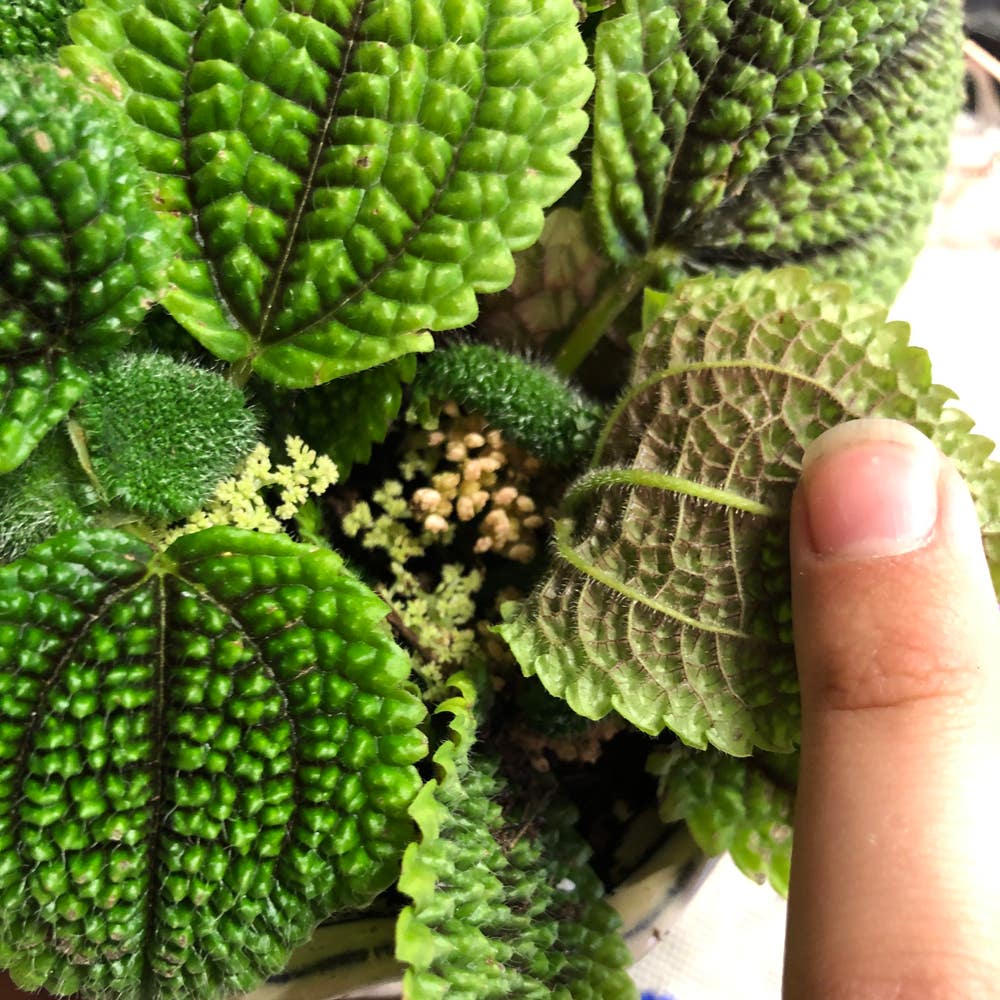
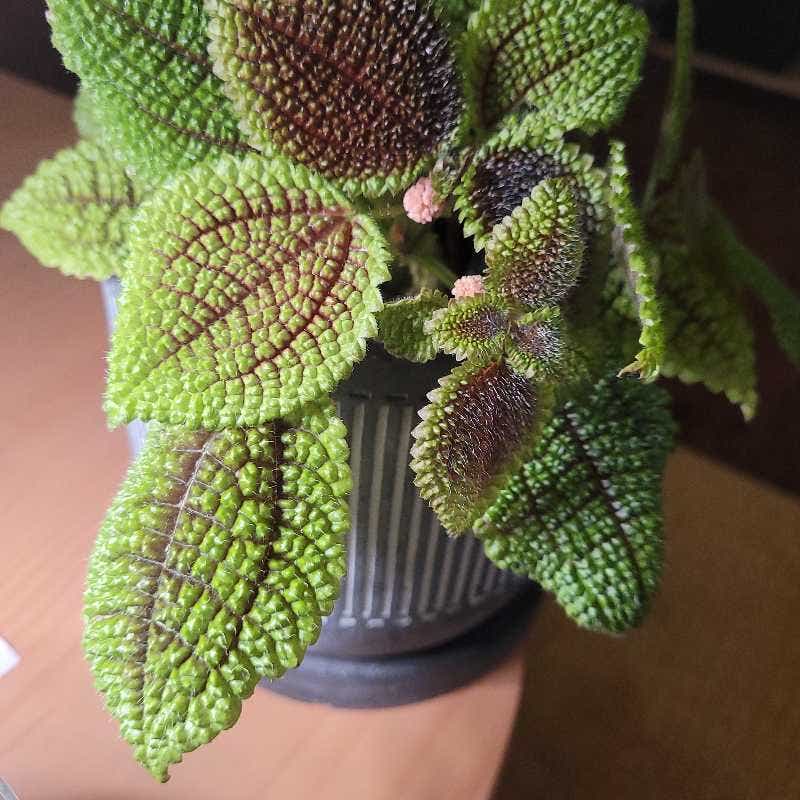
🌙 Best Climate for Moon Valley Pilea: Zones 10a-11b
Pilea mollis
By the Greg Editorial Team
Oct 02, 2024•4 min read
This article was created with the help of AI so we can cover more plants for you. May contain errors. See one? Report it here.
- 🌡️ Moon Valley Pilea thrives in 60°F to 80°F; avoid frost for healthy growth.
- 💧 High humidity is crucial for vibrant leaves and heat stress resilience.
- 🌍 Best suited for tropical zones like California and Florida; monitor local conditions.
Temperature Tolerance
❄️ Cold Tolerance
The Moon Valley Pilea thrives best in a temperature range of 60°F to 80°F (15°C to 27°C). It's crucial to note that this plant is not frost-tolerant; it needs protection from temperatures dropping below 50°F (10°C).
Frost can pose significant risks, especially during the first frost of the season. Leaf damage and stunted growth are common consequences, making it essential to monitor temperatures closely.
🔥 Heat Tolerance
On the flip side, the Moon Valley Pilea can handle temperatures up to 90°F (32°C), although it prefers more moderate heat.
Humidity plays a vital role in helping the plant cope with high temperatures. Increased humidity levels can significantly reduce heat stress, ensuring your Pilea remains healthy and vibrant.
Understanding these temperature tolerances is key to successfully growing Moon Valley Pilea. Next, let’s explore the ideal growing regions where this plant can truly flourish.
Ideal Growing Regions
Suitable US States 🌎
When it comes to the Moon Valley Pilea, certain states shine as ideal homes.
- California: The coastal areas boast mild winters and warm summers, creating a perfect environment for this tropical beauty.
- Florida: Known for its warm, humid climate, Florida is a haven for tropical plants, including the Moon Valley Pilea.
- Texas: The southern regions offer suitable temperatures and humidity levels, making it another great choice.
Contributing Factors 🔑
Several key factors contribute to the successful growth of Moon Valley Pilea.
- Warm Temperatures Year-Round: Consistent warmth is essential for healthy growth.
- Humidity Levels: High humidity not only enhances growth but also keeps the leaves lush and vibrant.
- Soil Conditions: Well-draining, rich soil is crucial for supporting healthy root systems, ensuring the plant thrives.
Understanding these ideal growing regions and their contributing factors can help you cultivate a thriving Moon Valley Pilea. Next, let’s explore how microclimates can further impact your plant's growth potential.
Microclimates and Their Impact
Definition and Examples 🌍
Microclimates are localized climate conditions that differ from the surrounding areas. They can be influenced by various factors, including topography, vegetation, and human structures.
Common examples of microclimates include areas near bodies of water, which tend to be cooler and more humid, and sheltered gardens that benefit from protection against wind and frost. Urban environments also create unique microclimates due to heat retention from buildings and pavement.
Extending Growing Range 🌱
Creating microclimates can significantly extend the growing range for plants like the Moon Valley Pilea. By providing protection from frost in sheltered areas, you can successfully cultivate these plants even in cooler zones.
To create effective microclimates, consider using walls, fences, or strategic plant groupings. These elements can provide warmth and humidity, enhancing the overall health and growth of your plants.
Understanding and utilizing microclimates can make a world of difference in your gardening success, especially for tropical plants that thrive in specific conditions. As we explore the ideal growing regions next, keep in mind how these localized climates can influence your gardening choices.
State-Level Suitability Analysis
🌍 States in Suitable Hardiness Zones
If you're looking to grow Moon Valley Pilea, certain states stand out as ideal environments.
- California: With its coastal areas, California offers mild winters and warm summers, making it a prime location.
- Florida: The warm, humid climate here is perfect for tropical plants like the Moon Valley Pilea.
- Texas: Southern regions provide suitable temperatures and humidity levels for healthy growth.
- Louisiana: Similar to Florida, Louisiana's climate supports lush, tropical growth.
- Hawaii: The year-round warmth and humidity create an ideal paradise for this plant.
These states share characteristics such as warm temperatures, high humidity, and minimal frost, all crucial for thriving Moon Valley Pilea.
❌ Unsuitable States and Reasons
Not every state can provide the right conditions for this tropical beauty.
- New York: Cold winters bring frost and snow, making it tough for the Pilea to survive.
- Minnesota: Extremely low temperatures and prolonged frost periods are a no-go for this plant.
- Colorado: High elevation leads to cooler temperatures, increasing the risk of frost.
These states struggle to maintain the warm, humid conditions necessary for healthy growth. If you're in one of these areas, consider indoor gardening or creating a microclimate to give your Pilea a fighting chance.
Understanding these state-level suitability factors can help you make informed decisions about where to plant your Moon Valley Pilea. Next, let’s explore how microclimates can impact your plant’s growth and extend its growing range.
⚠️ Safety First
This content is for general information and may contain errors, omissions, or outdated details. It is not medical, veterinary advice, or an endorsement of therapeutic claims.
Always consult a qualified healthcare professional before using any plant as food, medicine, or supplement.
Never eat any plant (or feed one to pets) without confirming its identity with at least two trusted sources.
If you suspect poisoning, call Poison Control (800) 222-1222, the Pet Poison Helpline (800) 213-6680, or your local emergency service immediately.
Spotted an error? Please report it here.
Keep your Moon Valley Pilea thriving in its ideal climate 🌿 with Greg's personalized care reminders and climate monitoring to ensure consistent warmth and humidity!