🌙 Lifespan of Moon Valley Pilea
Pilea mollis
By the Greg Editorial Team
Oct 02, 2024•6 min read
This article was created with the help of AI so we can cover more plants for you. May contain errors. See one? Report it here.
- 🌱 Moon Valley Pilea germinates in 2-4 weeks with proper light and moisture.
- 🌞 Ideal growth temperature is 70°F to 75°F for healthy development.
- 🌿 Average lifespan is 5-10 years with optimal care and conditions.
Germination Stage
Duration of Germination 🌱
The germination period for Moon Valley Pilea typically spans 2 to 4 weeks. This timeframe can vary based on several factors, including temperature, moisture, and light conditions.
Factors Influencing Germination Time 🌡️
Temperature plays a crucial role in germination speed. Keeping the environment warm and cozy will help your seeds sprout faster.
Conditions for Successful Germination 🌡️
To set your Moon Valley Pilea up for success, aim for an ideal temperature between 70°F to 75°F (21°C to 24°C).
Soil Requirements 🌍
Use a well-draining potting mix to prevent waterlogging, which can hinder germination.
Light Exposure 💡
Provide bright, indirect light to encourage healthy growth while avoiding damping off, a common issue in overly moist conditions.
With the right conditions, your seeds will be on their way to sprouting, setting the stage for the exciting journey ahead. Next, we'll explore the seedling stage and what to expect as your plant begins to grow.
Seedling Stage
Length of Seedling Stage 🌱
The seedling stage of the Moon Valley Pilea lasts about 4 to 8 weeks. During this time, the plant focuses on developing its true leaves, which are essential for its growth.
Characteristics of Seedlings 🌿
In this early phase, seedlings showcase small, round leaves that are quite charming. They grow upright, giving off a bushy appearance that hints at the lushness to come.
As you nurture your seedlings, keep an eye on their progress. This stage is crucial for setting the foundation for a healthy, thriving plant.
With the right care, your Moon Valley Pilea will transition smoothly into the next growth stage, ready to flourish even more.
Vegetative Growth Stage
Duration of Vegetative Growth 🌱
The vegetative growth stage of the Moon Valley Pilea lasts between 3 to 6 months. This timeframe can vary based on environmental conditions and care practices.
Changes in Leaf Structure and Size 🍃
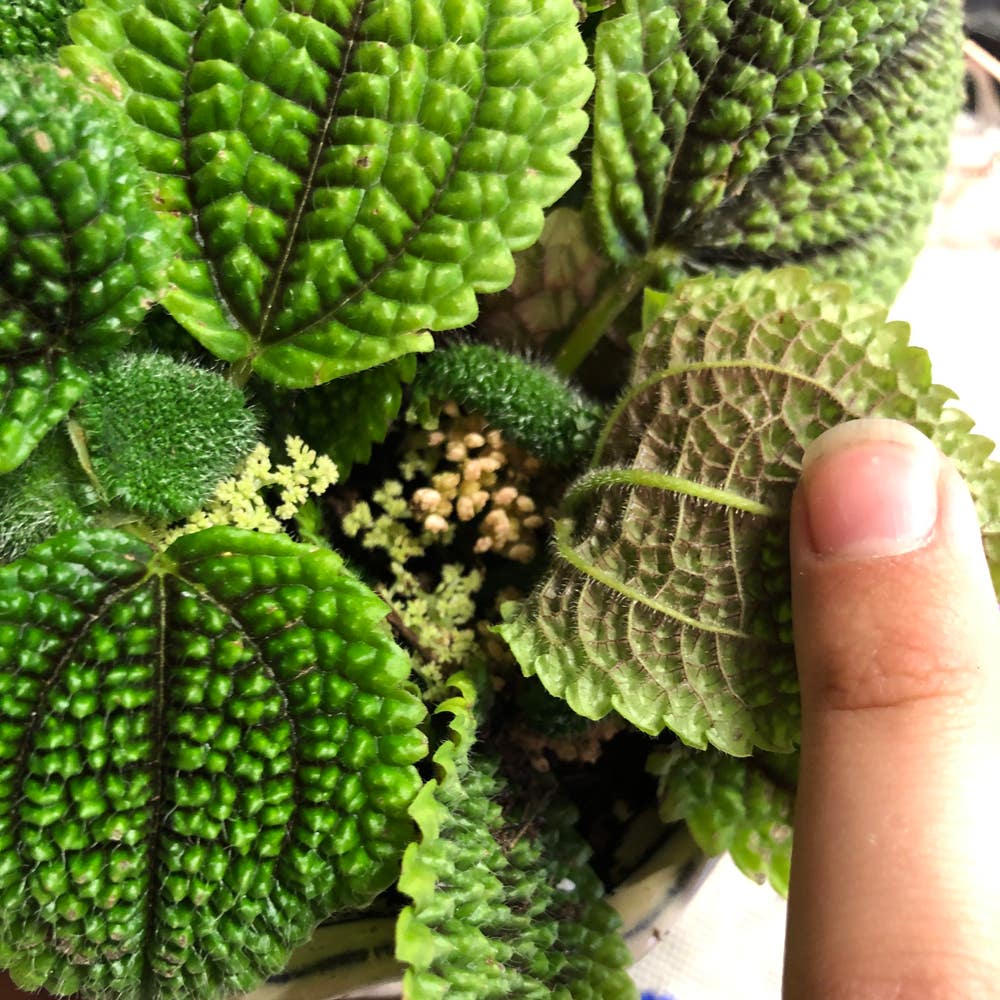
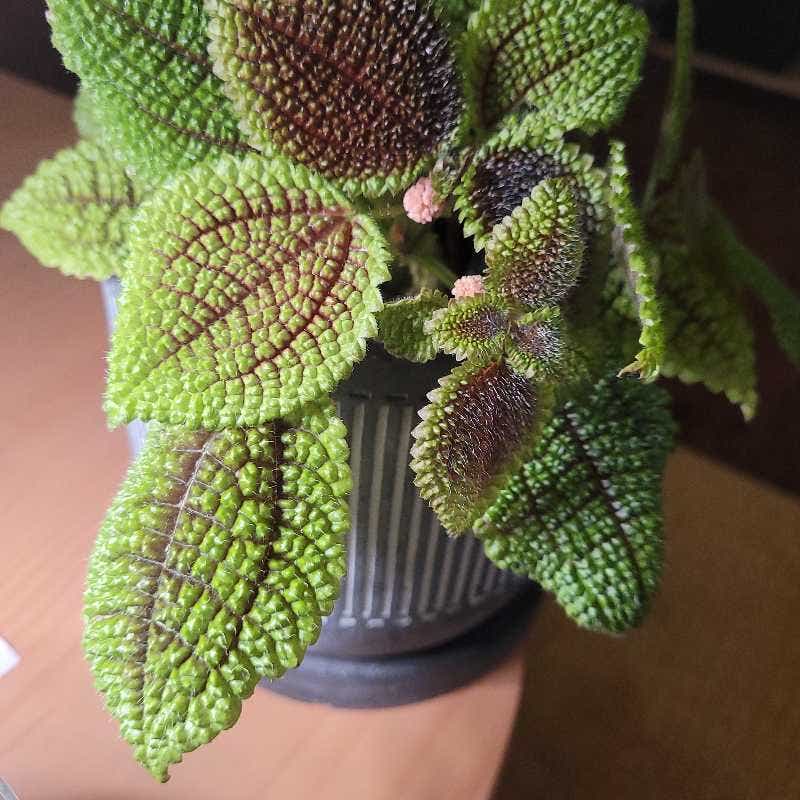
During this stage, you'll notice significant changes in the plant's leaves. They grow larger and thicker, developing a unique texture that adds character to your Pilea.
Height Increase 📏
As the plant matures, it typically reaches a height of 12 to 18 inches. This growth not only enhances its visual appeal but also signifies a healthy, thriving plant.
Care Tips for Vegetative Growth 💧
To support this growth phase, ensure your Pilea receives bright, indirect light. Consistent watering without waterlogging is crucial for optimal development.
Observing Growth Patterns 👀
Keep an eye on your plant's progress during this stage. Not only is it exciting to see the transformation, but it also helps you understand how to adjust care as needed.
As your Moon Valley Pilea continues to thrive, it will soon transition into the flowering stage, where even more fascinating changes await.
Flowering Stage
Timeframe for Flowering 🌱
The Moon Valley Pilea typically begins to flower 1-2 years after planting. This timeframe can vary based on growing conditions and care.
Description of Flowers and Their Significance 🌼
The flowers of the Moon Valley Pilea are small and inconspicuous, forming clusters on tall stalks. While they may not be the main attraction, these flowers play a crucial role in the plant's life cycle, signaling successful growth and maturity.
As the flowering stage progresses, the plant showcases its resilience and adaptability. Understanding this phase can enhance your appreciation for the journey of your Pilea.
Next, we’ll explore the seed production process and what it entails for your plant's future.
Seed Production
🌱 Overview of Seed Production Process
Seed production in Moon Valley Pilea is a fascinating journey that begins with successful pollination. This process is often aided by insects, which play a crucial role in transferring pollen and ensuring the formation of seeds.
Once pollination occurs, seeds develop in small pods that form after flowering. These pods are essential for the next generation of plants, encapsulating the potential for new life.
⏳ Duration and Conditions for Seed Production
After flowering, the seeds take about 4-6 weeks to mature. During this time, it's vital to maintain optimal conditions, including consistent moisture and appropriate light exposure, to support healthy seed development.
Understanding these stages not only enhances your gardening skills but also deepens your appreciation for the life cycle of your Moon Valley Pilea. As you nurture your plant, you’ll witness the incredible transformation from flower to seed, paving the way for future growth.
With seed production underway, let’s explore how the plant continues to thrive and mature in its growth stages.
Growth Rate and Maturation
How Long Until Fully Grown? 🌱
The Moon Valley Pilea typically takes about 1-2 years to reach its full height and bushiness. This timeframe allows the plant to develop its characteristic lush appearance.
Factors Affecting Growth Rate 🌞
Several factors can influence how quickly your Pilea grows.
- Light Conditions: Bright, indirect light is crucial for promoting faster growth.
- Watering Practices: Consistent moisture is key, but avoid waterlogging to keep the roots healthy.
Average Lifespan ⏳
Under optimal conditions, the average lifespan of a Moon Valley Pilea ranges from 5 to 10 years. This longevity makes it a rewarding addition to your indoor plant collection.
As you nurture your Pilea, understanding its growth rate and lifespan can help you provide the best care. Next, let’s explore the notable changes throughout its life cycle.
Notable Changes Throughout Life Cycle
🌱 Physical Changes During Each Growth Stage
The Moon Valley Pilea undergoes distinct transformations throughout its life cycle.
Germination: This stage kicks off with the emergence of small leaves, signaling the plant's first steps into the world.
Seedling: As it matures, the plant develops true leaves, taking on a bushy appearance that showcases its vibrant growth.
Vegetative: During this phase, leaves grow larger and thicker, showcasing a unique texture that adds to the plant's charm.
Flowering: Finally, flower stalks appear, marking a significant milestone in the plant's journey.
🌿 Changes in Care Requirements as the Plant Matures
As the Moon Valley Pilea grows, its care needs evolve.
Watering Frequency: You'll need to adjust how often you water based on the growth stage. Younger plants require more frequent watering, while mature ones can tolerate slightly drier conditions.
Fertilization Needs: During the vegetative growth stage, the plant benefits from increased fertilization to support its rapid development.
🌍 Environmental Adaptations Over Time
The Moon Valley Pilea is quite adaptable, thriving in various indoor conditions.
Adaptation to Indoor Conditions: It flourishes in bright, indirect light and well-draining soil, making it a perfect fit for many home environments.
Ability to Produce Offsets (Pups): This plant can produce offsets, or "pups," which not only contribute to its propagation but also enrich its overall life cycle.
Understanding these changes can enhance your care routine, ensuring your Moon Valley Pilea thrives beautifully. Next, let’s explore the growth rate and maturation of this fascinating plant.
⚠️ Safety First
This content is for general information and may contain errors, omissions, or outdated details. It is not medical, veterinary advice, or an endorsement of therapeutic claims.
Always consult a qualified healthcare professional before using any plant as food, medicine, or supplement.
Never eat any plant (or feed one to pets) without confirming its identity with at least two trusted sources.
If you suspect poisoning, call Poison Control (800) 222-1222, the Pet Poison Helpline (800) 213-6680, or your local emergency service immediately.
Spotted an error? Please report it here.
Unlock the secrets of your Moon Valley Pilea's growth journey for 5 to 10 thriving years 🌿 with Greg's tailored care tips and reminders that keep your plant flourishing at every stage!