💧 How Much Humidity Does My Pilea mollis Need?
Pilea mollis
By the Greg Editorial Team
Jun 18, 2024•4 min read
This article was created with the help of AI so we can cover more plants for you. May contain errors. See one? Report it here.
- 50-70% humidity ideal for Pilea mollis health and growth.
- Crispy or yellow leaves? Adjust moisture levels accordingly.
- Use hygrometers, humidifiers, or dehumidifiers to maintain perfect humidity.
Spotting the Signs: Pilea Mollis and Humidity
🌿 When Humidity is Too Low
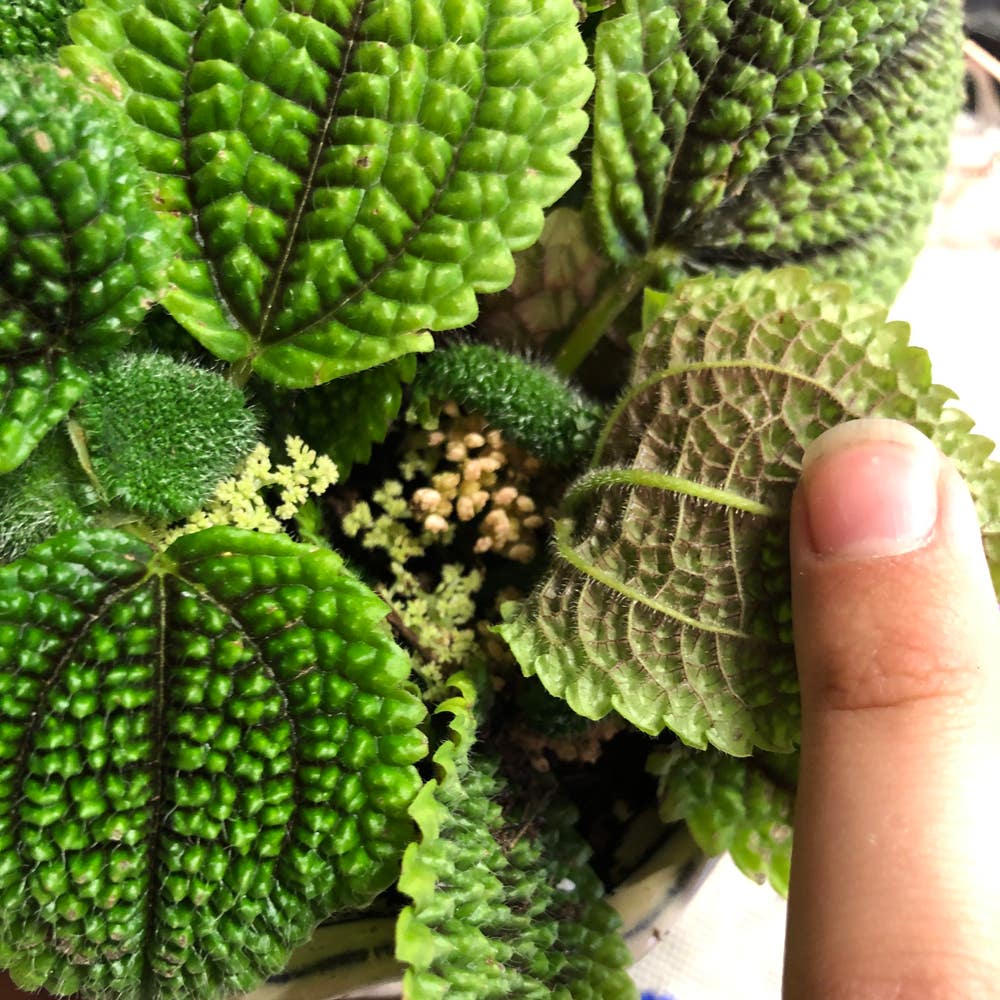
Crispy leaves? Your Pilea mollis is gasping for moisture. In the wild, these plants bask in tropical humidity, but indoors, they often find themselves in a dry spell. Brown leaf tips and edges are your plant's version of a distress signal. Don't ignore it. Growth and flowering can take a hit, leaving your Pilea looking less like a lush green pillow and more like a neglected tumbleweed.
🌿 When Humidity is Too High
Conversely, if your Pilea's leaves are turning yellow or you spot mold like an unwanted guest, it's time to dial down the moisture. Overly damp conditions invite fungal parties and root rot raves. Catch these symptoms early, or you might as well throw a 'goodbye' party for your plant's health.

Nailing the Numbers: Ideal Humidity for Pilea Mollis
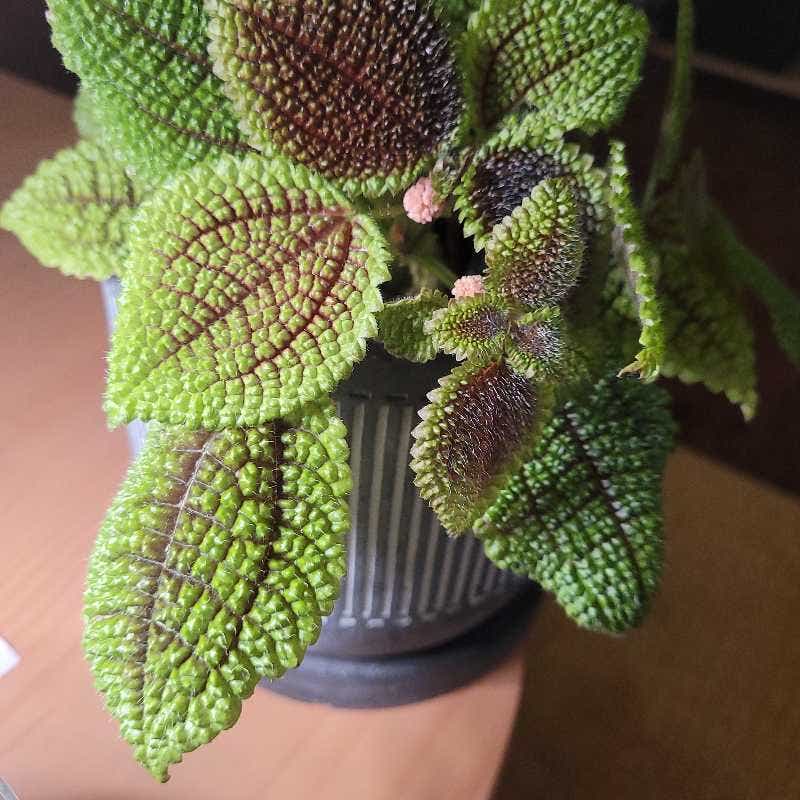
Pilea mollis thrives when the humidity is just right.
🎯 The Sweet Spot
50% to 70% relative humidity is the Goldilocks zone for Pilea mollis. It's not too moist, not too dry, but just perfect for this tropical plant to flourish.
Understanding Relative Humidity
Relative humidity is the amount of water vapor in the air, compared to what the air can hold at that temperature. For Pilea mollis, it's about creating a tropical vibe without turning your home into a rainforest.
🕵️♂️ Using Hygrometers
A hygrometer is your secret weapon in the quest for perfect humidity. It's the humidity detective that never sleeps, giving you the intel you need to keep your Pilea mollis in its happy place.

Humidity Helpers: Boosting Moisture for Pilea Mollis
💦 Quick Fixes to Increase Humidity
Pilea mollis, like a guest at a desert party, craves a splash of moisture. Here's how to quench its thirst.
Grouping Plants
Cluster your Pilea with other plants. It's like a mini rainforest in your living room, with each plant exhaling moisture and boosting the group's humidity.
Pebble Trays
The pebble tray: a simple, economical classic. Just make sure your Pilea isn't sitting in water, unless you fancy root rot.
Misting
Misting: a quick fix, not a miracle cure. Refresh your Pilea's leaves, but don't expect a rainforest mist; it's more like a fleeting London drizzle.
💧 Long-Term Solutions
For those who are in it for the long haul, here's how to keep your Pilea mollis in a perpetual state of bliss.
Humidifiers
Invest in a humidifier. It's the plant equivalent of a steady paycheck, providing consistent humidity that doesn't suddenly disappear.
What to Look For
When shopping for a humidifier, think features: adjustable output, timers, and hygrometers. It's like dating – you want the full package.
Plant-Friendly Room Setup
Create a sanctuary. Place your Pilea where the air is calm, and the vibe is moist. Think bathroom post-shower, or kitchen while you're boiling pasta.

Dealing with Dampness: Reducing Humidity When Necessary
🌬️ Immediate Actions
Ventilation is the first line of defense against high humidity. Crack a window or get a fan humming to stir up a breeze. It's like giving your Pilea mollis a breath of fresh air, minus the stewing in its own tropical soup.
Proper watering is crucial. Water at the soil level to quench your plant's thirst without turning its home into a sauna. Overwatering is a no-go; it's the express lane to Fungusville.
💻 Using Technology
Dehumidifiers are the unsung heroes in the battle against dampness. They're like bouncers for moist air, keeping the excess out. Pick one that fits your space and let it work its magic.
Fans are great, but they're a double-edged sword. They promote air circulation but can also dehydrate your Pilea mollis if overused. It's all about finding that sweet spot.
⚠️ Safety First
This content is for general information and may contain errors, omissions, or outdated details. It is not medical, veterinary advice, or an endorsement of therapeutic claims.
Always consult a qualified healthcare professional before using any plant as food, medicine, or supplement.
Never eat any plant (or feed one to pets) without confirming its identity with at least two trusted sources.
If you suspect poisoning, call Poison Control (800) 222-1222, the Pet Poison Helpline (800) 213-6680, or your local emergency service immediately.
Spotted an error? Please report it here.
Achieve the perfect balance of humidity for your Pilea mollis 🌱 with Greg's tailored environment tracking and actionable insights, ensuring your plant thrives.