Top 4 Signs Your Moon Valley Pilea Needs Pollination 🐝
Pilea mollis
By the Greg Editorial Team
Oct 02, 2024•6 min read
This article was created with the help of AI so we can cover more plants for you. May contain errors. See one? Report it here.
- 🌼 Moon Valley Pilea can self-pollinate, thriving without external pollinators.
- 🐝 Bees and butterflies enhance pollination, boosting plant resilience and diversity.
- 🌿 Hand pollination techniques can improve fertilization when natural methods fall short.
Self-Pollination vs. Cross-Pollination
Self-Pollination 🌱
The Moon Valley Pilea is a champion of self-pollination, meaning it can reproduce without relying on outside help. This trait is a game-changer, especially for those growing it in isolated spaces.
Self-pollination ensures that your plant can thrive even when pollinators are scarce. It also helps maintain genetic stability, which is crucial for the plant's long-term health.
Cross-Pollination 🌼
While self-pollination is the norm for the Moon Valley Pilea, cross-pollination offers its own set of advantages. By mixing genetic material, cross-pollination enhances genetic diversity, which can lead to stronger, more resilient plants.
Understanding both self and cross-pollination is vital for optimal plant health. It can significantly impact fruit and seed production, ensuring your Pilea flourishes in various conditions.
Flower Structure
Description of Flower Parts 🌼
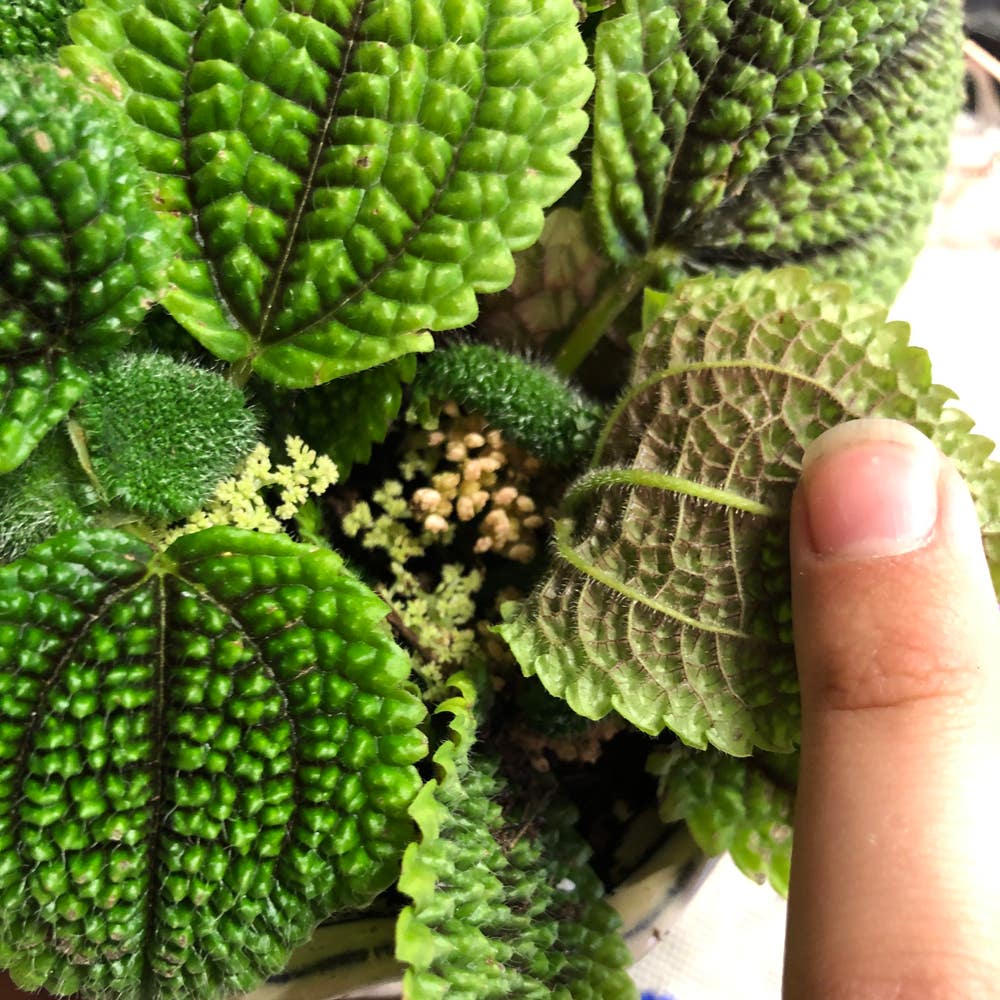
The Moon Valley Pilea features small, inconspicuous flowers that are typically greenish-white. These delicate petals are surrounded by protective leaf-like structures called sepals.
The male reproductive parts, known as stamens, produce pollen, while the female parts, called pistils, are responsible for receiving that pollen. Understanding these components is crucial for effective pollination.
How Flower Structure Facilitates Pollination 🐝
The arrangement of the flower parts is designed for easy access to pollen, which is essential for successful reproduction. However, the inconspicuous nature of these flowers means they may rely on specific conditions or pollinators to achieve effective pollination.
By recognizing the unique structure of the Moon Valley Pilea's flowers, you can better appreciate how they function in their environment. This knowledge sets the stage for understanding the importance of both natural and hand pollination methods.
As we delve deeper into the topic, we'll explore how natural pollination occurs and the vital role pollinators play in this process.
Natural Pollination
🌬️ Pollen Transfer Mechanisms
Natural pollination is a fascinating process where wind and insects play crucial roles in transferring pollen between flowers. This transfer is essential for fertilization and ultimately leads to seed production.
Humidity and temperature are vital for pollen viability. Optimal conditions ensure that pollen remains effective, increasing the chances of successful fertilization.
🐝 Role of Pollinators
Pollinators are the unsung heroes of the plant world. Bees are particularly attracted to the subtle nectar of the Moon Valley Pilea, making them primary pollinators.
Butterflies also contribute, drawn in by the plant's lush foliage and the presence of nearby companion plants. Their activity not only aids in reproduction but also enhances genetic diversity through cross-pollination.
Understanding these dynamics is key to nurturing a thriving Moon Valley Pilea. By fostering a welcoming environment for these pollinators, you can significantly boost your plant's health and productivity.
Next, we’ll explore how to effectively hand-pollinate your Moon Valley Pilea when natural methods fall short.
Hand Pollination
Step-by-Step Instructions for Hand Pollination 🌼
Hand pollination can be a rewarding way to ensure your Moon Valley Pilea thrives. Here’s how to do it effectively:
Identify Male and Female Flower Parts:
- Male: Look for stamens, which are the parts that produce pollen.
- Female: Locate the pistil, usually found at the flower's center.
Collecting Pollen:
- Use a small brush or cotton swab to gently gather pollen from the stamens. This step is crucial for a successful transfer.
Transferring Pollen:
- Carefully apply the collected pollen to the stigma of the pistil. This is where the magic happens!
Timing:
- Perform this process during peak flowering periods for the best chance of success. Timing can make all the difference.
Identifying Male and Female Flower Parts 🔍
Understanding how to distinguish between male and female flowers is essential for effective hand pollination.
- Visual Characteristics: Male flowers typically have prominent stamens, while female flowers feature a central pistil.
- Importance of Accurate Identification: Correctly identifying these parts ensures that your hand pollination efforts are successful, leading to fruitful results.
With these steps, you can take control of your plant's reproduction and enhance its growth. Next, let’s explore how to create a pollinator-friendly environment to support your Moon Valley Pilea even further.
Supporting Pollinators
🌼 Creating a Pollinator-Friendly Environment
To support your Moon Valley Pilea, start by planting native flowers and herbs. These plants attract local pollinators, ensuring a vibrant ecosystem around your greenery.
Additionally, providing water sources and shelter is crucial for beneficial insects. Simple features like shallow dishes of water or small insect hotels can make a significant difference.
🌸 Companion Plants to Attract Beneficial Pollinators
Companion planting is a fantastic strategy to enhance pollination success. Consider adding marigolds to your garden; they are known to attract both bees and butterflies.
Lavender is another excellent choice, drawing a variety of pollinator species with its fragrant blooms. These companion plants not only beautify your space but also create a welcoming environment for pollinators.
By fostering a diverse plant community, you can significantly boost pollination rates for your Moon Valley Pilea. This approach not only benefits your plants but also contributes to the overall health of your garden ecosystem.
As you cultivate this supportive environment, you’ll be setting the stage for the next section on pollination challenges, ensuring your plants thrive despite any obstacles.
Pollination Challenges
🌪️ Common Obstacles to Successful Pollination
Pollination can be tricky for your Moon Valley Pilea due to various environmental factors. Temperature fluctuations and humidity levels can significantly affect flower viability, making it harder for your plant to reproduce.
Additionally, if you’re growing your Pilea indoors or in an urban setting, you might notice a lack of natural pollinators. This absence can hinder the plant's ability to cross-pollinate, which is essential for genetic diversity.
🛠️ Solutions for Overcoming Environmental Challenges
To boost pollination success, consider adjusting humidity levels and temperature. Creating an optimal environment can encourage your Pilea to flower more effectively.
If natural pollinators are scarce, don't hesitate to introduce artificial pollination methods. Hand pollination can be a game-changer, ensuring your plant gets the attention it needs to thrive.
Monitoring environmental conditions is crucial for supporting your plant's health and reproduction. Keeping an eye on these factors will help you create a flourishing habitat for your Moon Valley Pilea.
With the right strategies in place, you can overcome these challenges and enjoy a thriving, pollinated plant. Next, let’s explore how to create a pollinator-friendly environment that attracts beneficial insects.
⚠️ Safety First
This content is for general information and may contain errors, omissions, or outdated details. It is not medical, veterinary advice, or an endorsement of therapeutic claims.
Always consult a qualified healthcare professional before using any plant as food, medicine, or supplement.
Never eat any plant (or feed one to pets) without confirming its identity with at least two trusted sources.
If you suspect poisoning, call Poison Control (800) 222-1222, the Pet Poison Helpline (800) 213-6680, or your local emergency service immediately.
Spotted an error? Please report it here.
Boost your Moon Valley Pilea's health by recognizing pollination needs, and let Greg guide you with custom reminders and tips to attract those vital pollinators! 🐝