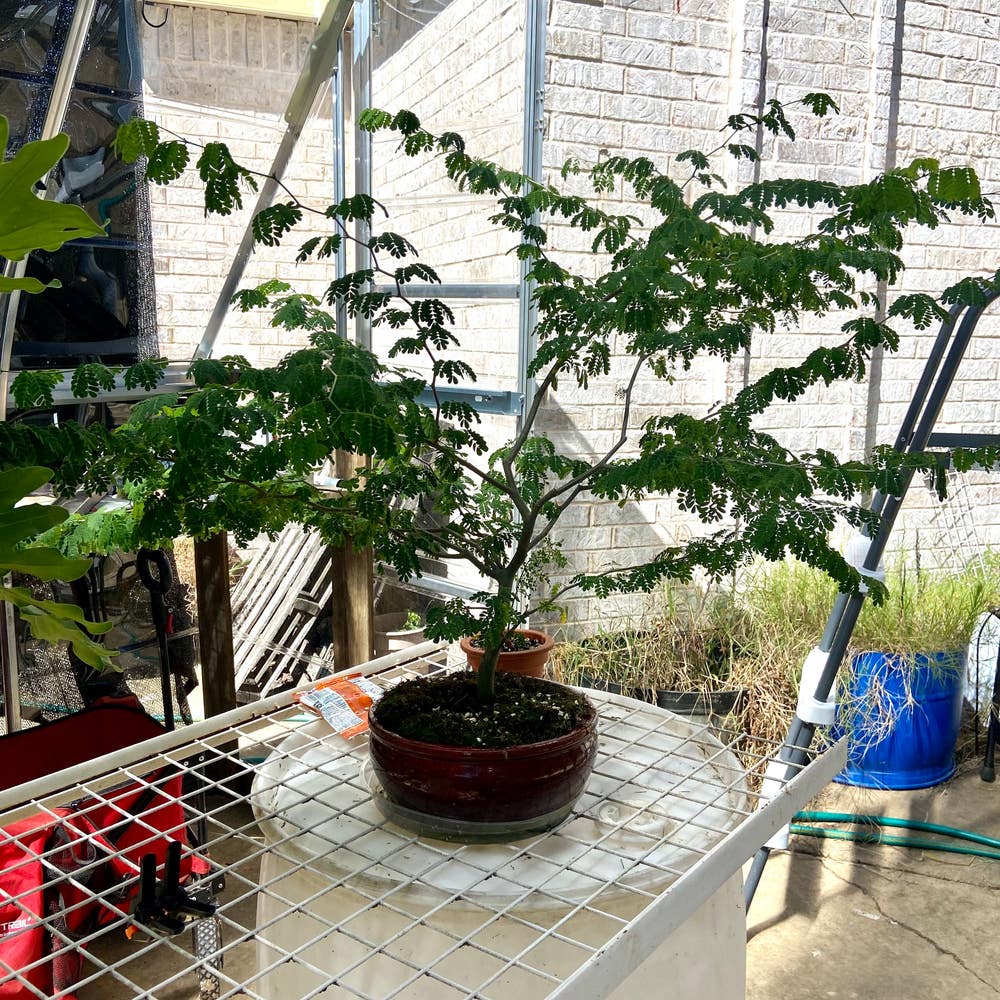
Determining What Might Be Eating Your Golden Rain Tree 🐛
Koelreuteria paniculata
By the Greg Editorial Team
Oct 09, 2024•7 min read
This article was created with the help of AI so we can cover more plants for you. May contain errors. See one? Report it here.
Safeguard your Golden Rain Tree 🌳 from herbivores while inviting beneficial wildlife for a flourishing garden ecosystem!
- 🌳 Golden Rain Trees attract various herbivores due to their sweet nectar and seed pods.
- 🦌 Deer, rabbits, and squirrels can significantly damage the tree's health and growth.
- 🚫 Effective deterrents like fencing and repellents can protect your Golden Rain Tree.
Description and Appeal
Appearance and Features 🌳
The Golden Rain Tree typically reaches heights of 30 to 40 feet, creating a striking presence in any landscape. Its compound leaves, featuring 7 to 15 bright green leaflets, provide a lush backdrop for its vibrant summer blooms.
In summer, the tree showcases distinctive yellow flowers that form large clusters, adding a splash of color. After flowering, attractive papery seed pods develop, further enhancing its visual appeal.
Most Appealing Parts to Animals 🐾
Animals are particularly drawn to the Golden Rain Tree for several reasons. The seed pods are not only visually appealing but also nutritious, making them a favorite snack.
The sweet nectar from the flowers attracts a variety of pollinators and herbivores alike. Additionally, the tender young shoots are especially palatable, offering a delightful treat for many animals.
This combination of features makes the Golden Rain Tree a magnet for wildlife, contributing to its charm in gardens and natural settings.
As we explore the common herbivores that may be drawn to this tree, understanding its appeal helps us appreciate the delicate balance of nature.
Common Herbivores
🦌 Deer
Signs and Damage
Deer are often the first culprits when it comes to damage to your Golden Rain Tree. Look for hoof prints in muddy areas nearby and signs of browsing on leaves and young shoots, which can stunt growth.
Interaction Type
Their impact is generally harmful, as they can significantly reduce foliage and compromise the overall health of the tree.
Deterrent Methods
To keep deer at bay, consider using commercial repellents that contain putrescent egg solids. Alternatively, planting strong-smelling herbs like lavender around the tree can act as an organic deterrent.
🐇 Rabbits
Signs and Damage
Rabbits leave behind small, round droppings and gnaw marks on stems. Their chewing on young shoots and bark can lead to girdling, which is detrimental to tree health.
Interaction Type
These furry pests are generally harmful, especially to young trees, as they can cause severe damage.
Deterrent Methods
Bitter-tasting sprays can serve as effective chemical repellents. For a more organic approach, install fencing at least 2 feet high and plant rabbit-resistant plants nearby.
🐿️ Squirrels
Signs and Damage
Squirrels can be quite destructive, leaving chewed bark and missing fruits in their wake. Their appetite for seeds and young shoots can lead to reduced seed production.
Interaction Type
Their interactions are generally harmful, disrupting the reproductive cycle of the tree.
Deterrent Methods
Capsaicin-based sprays can deter squirrels effectively. Additionally, installing squirrel-proof bird feeders can help divert their attention away from your tree.
🐦 Birds
Signs and Damage
Birds can be both friends and foes. Look for droppings and peck marks on fruits as signs of their presence. While they consume seeds and flowers, which can reduce seed set, they also aid in pollination.
Interaction Type
Their interactions are mixed; they can damage fruits but also contribute positively to the ecosystem.
Deterrent Methods
Non-toxic bird deterrents can help manage their impact. Scare devices like reflective tape or wind chimes can also be effective in keeping them away.
🐭 Rodents
Signs and Damage
Rodents leave behind burrows and gnaw marks at the base of the tree. Their chewing on roots and lower bark can lead to root exposure, weakening the tree's foundation.
Interaction Type
Generally harmful, rodents can significantly compromise the stability of your tree.
Deterrent Methods
Consider using rodent bait stations as a chemical repellent. For a more organic solution, trapping and utilizing natural predators like owls can be effective.
🦡 Groundhogs/Woodchucks
Signs and Damage
Groundhogs are notorious for their large burrows and clipped vegetation. Their heavy feeding on young shoots and leaves can lead to severe defoliation.
Interaction Type
These animals are generally harmful and can decimate young trees if left unchecked.
Deterrent Methods
Commercial groundhog repellents can be useful. Additionally, fencing at least 3 feet high and planting deterrent plants like marigolds can help protect your Golden Rain Tree.
As you consider these common herbivores, remember that understanding their behavior is key to protecting your tree. Next, we’ll explore the beneficial animals that contribute positively to the ecosystem surrounding your Golden Rain Tree.
Beneficial Animals and Ecological Impact
🐝 Description of Beneficial Animals
The Golden Rain Tree attracts a variety of beneficial animals, notably pollinators like bees and butterflies. These creatures are drawn to the tree's vibrant flowers, playing a crucial role in its reproductive cycle.
Birds also contribute positively by acting as seed dispersers. Their movement helps propagate the tree, ensuring its presence in the ecosystem.
🌍 Positive Impacts on the Ecosystem
The presence of these animals enhances biodiversity. By providing habitat and food sources, the Golden Rain Tree supports various species, creating a thriving environment.
Pollination is another significant benefit. It not only aids the Golden Rain Tree but also supports the reproductive success of nearby plants, fostering a rich and diverse ecosystem.
In summary, the interactions between the Golden Rain Tree and its beneficial animals create a balanced environment, promoting growth and sustainability. Understanding these relationships can inspire us to cultivate gardens that support wildlife and enhance ecological health.
General Protection Strategies
🛡️ Preventive Measures
Fencing is one of the most effective ways to deter larger herbivores from munching on your Golden Rain Tree. A sturdy barrier, ideally at least 4-6 feet high, can keep deer and other large animals at bay.
Companion planting is another smart strategy. By surrounding your tree with plants that have strong scents, like lavender or marigolds, you can naturally repel specific herbivores while enhancing your garden's beauty.
⚠️ Reactive Solutions
Regular monitoring is crucial for early detection of any damage. Keep an eye out for signs like chewed leaves or droppings, which can indicate the presence of hungry visitors.
When you spot any signs of herbivore activity, take immediate action. Implement deterrents, whether chemical or organic, to protect your tree before the damage escalates.
🌱 Balancing Ecosystem Health
Understanding the role of herbivores in your garden is essential. While some interactions may seem harmful, many are natural and can contribute positively to the ecosystem.
Promoting a diverse garden is key. By encouraging a variety of plants, you can support different wildlife, creating a balanced environment that benefits both your Golden Rain Tree and the local ecosystem.
Incorporating these strategies not only protects your tree but also fosters a thriving garden. As we move forward, let’s explore seasonal considerations that can further enhance your protective measures.
Seasonal Considerations
🦌 Variations in Animal Attraction
As the seasons change, so does the behavior of animals around your Golden Rain Tree. In spring, herbivores ramp up their activity, drawn to the tender shoots that emerge with the warmer weather.
By summer, the focus shifts to the tree's vibrant flowers and nutritious fruits. This seasonal shift means that different animals will be attracted at various times, making it essential to stay vigilant.
⏰ Timing of Vulnerability
Certain periods pose a higher risk for your tree. Young shoots are particularly vulnerable in spring, as they are a prime target for hungry herbivores.
In late summer, the fruits become the main attraction. Monitoring these vulnerable times allows you to adjust your protective measures effectively, ensuring your Golden Rain Tree remains healthy and thriving.
Toxicity and Safety
🐾 Toxic Effects on Animals
The Golden Rain Tree has parts that exhibit mild toxicity, which can deter certain herbivores from munching on its foliage. Understanding which animals might be affected is crucial for maintaining a healthy garden ecosystem.
🛡️ Garden Safety
Educating gardeners about potential toxicity can significantly inform management strategies. By monitoring animal interactions, you can prevent harm to pets and local wildlife, ensuring a balanced environment around your Golden Rain Tree.
Incorporating these safety measures not only protects your garden but also fosters a deeper appreciation for the delicate balance of nature. As you cultivate your space, remember that awareness is key to nurturing both plants and the wildlife that interacts with them.
⚠️ Safety First
This content is for general information and may contain errors, omissions, or outdated details. It is not medical, veterinary advice, or an endorsement of therapeutic claims.
Always consult a qualified healthcare professional before using any plant as food, medicine, or supplement.
Never eat any plant (or feed one to pets) without confirming its identity with at least two trusted sources.
If you suspect poisoning, call Poison Control (800) 222-1222, the Pet Poison Helpline (800) 213-6680, or your local emergency service immediately.
Spotted an error? Please report it here.
Keep your Golden Rain Tree thriving 🌳 by using Greg's personalized tips and reminders to fend off pesky herbivores and ensure a vibrant garden!