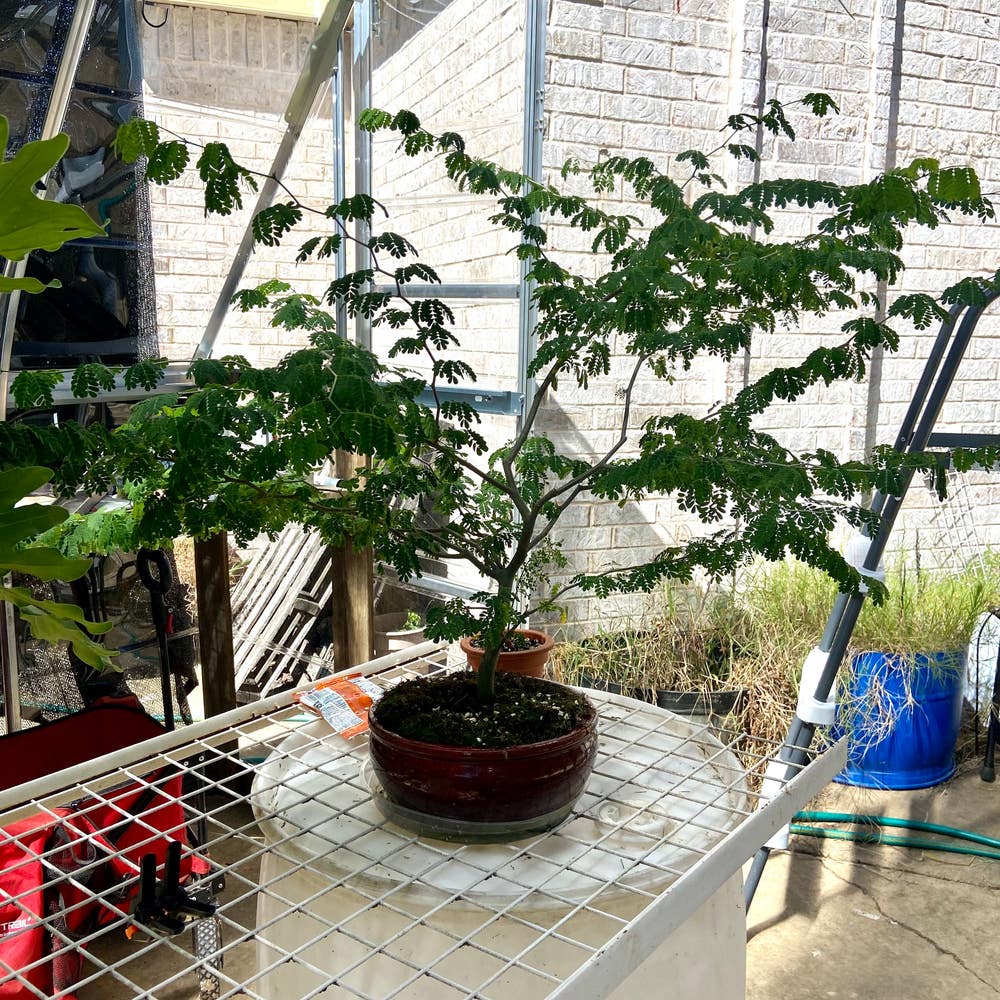
🌳 Ultimate Guide to Golden Rain Tree Roots
Koelreuteria paniculata
By the Greg Editorial Team
Oct 09, 2024•8 min read
This article was created with the help of AI so we can cover more plants for you. May contain errors. See one? Report it here.
Master the unique root systems of Golden Rain Trees 🌳 for thriving growth and resilience in your garden!
- 🌳 Golden Rain Trees have deep taproots for stability and nutrient access.
- 🌱 Healthy roots are vital for growth; watch for signs of distress like yellowing leaves.
- 💧 Proper watering and spacing prevent root rot and promote robust root systems.
Root Type and Characteristics
🌳 Taproot System
The taproot system is a key feature of the Golden Rain Tree. This deep anchoring root provides stability, allowing the tree to withstand strong winds and adverse weather conditions.
Taproots can grow significantly deep into the soil, often reaching several feet. This depth not only secures the tree but also helps it access moisture and nutrients from deeper soil layers.
🌱 Fibrous Roots
In contrast, fibrous roots spread laterally and play a crucial role in nutrient absorption. Their extensive network helps stabilize the tree and prevents soil erosion, making them essential for the tree's overall health.
These roots can extend well beyond the tree's canopy, maximizing the area for nutrient uptake. This lateral spread is particularly beneficial in varying soil conditions, ensuring the tree thrives.
🔗 Combined Root System
The interaction between taproots and fibrous roots is vital for the Golden Rain Tree's health. Together, they create a robust root system that enhances the tree's resilience against environmental stressors.
Having both root types allows the tree to adapt to different conditions, ensuring it remains stable and nourished. This combination is a testament to the tree's ability to thrive in diverse landscapes.
As we explore the root depth and spread next, we'll uncover how these characteristics influence planting and landscaping decisions.
Root Depth and Spread
Typical Root Depth 🌳
The Golden Rain Tree features a robust taproot that can reach impressive depths. Depending on soil conditions, this taproot can extend several feet deep, anchoring the tree securely and allowing it to access vital nutrients and moisture.
Root Spread and Growth Patterns 🌱
In addition to its deep taproot, the tree boasts a fibrous root system that spreads laterally. These fibrous roots can extend significantly beyond the tree's canopy, enhancing its ability to absorb nutrients and stabilize the soil.
Soil Type and Moisture Influence
The growth patterns of these roots are heavily influenced by soil type and moisture availability. Well-drained soils promote healthier root spread, while compacted or overly wet soils can hinder growth.
Implications for Planting and Spacing 📏
Understanding the root depth and spread is crucial for effective landscaping. When planting Golden Rain Trees, consider their extensive root systems to ensure adequate spacing from other plants and structures, promoting healthy growth and minimizing competition for resources.
This knowledge sets the stage for effective care practices that will keep your Golden Rain Tree thriving.
Care Practices Influenced by Roots
💧 Watering Techniques Based on Root System
Deep watering is crucial for encouraging the growth of the Golden Rain Tree's taproot. This method helps the root system establish itself firmly, promoting stability and resilience.
For optimal results, water deeply but infrequently. Using the Greg plant care app can help you set reminders for your watering schedule, ensuring your tree receives consistent moisture without overwatering.
🌱 Fertilizing Considerations
Understanding the nutrient needs of your Golden Rain Tree is essential for its growth. The timing and type of fertilizer you choose can significantly impact its health.
Apply a balanced fertilizer during the growing season, focusing on nutrients that support both taproot and fibrous root development. This ensures your tree gets the right boost at the right time.
🌳 Transplanting Guidelines
Transplanting can be a delicate process for the Golden Rain Tree. Timing is key; aim for early spring or fall when the tree is less stressed.
When transplanting, use techniques that minimize root disturbance. Maintaining root integrity is vital for a successful transition, so handle the roots gently and ensure they are well-watered before and after the move.
By following these care practices, you can support the health and vitality of your Golden Rain Tree, setting it up for long-term success. Next, we’ll explore common root-related issues and how to identify and address them effectively.
Common Root-Related Issues
Identifying Root Problems 🌱
Recognizing root distress is crucial for maintaining a healthy Golden Rain Tree. Common signs include stunted growth and yellowing leaves, which often indicate underlying issues.
Root rot, pests, and diseases are frequent culprits. If you notice these symptoms, it’s time to investigate further.
Solutions for Root Issues 🛠️
Preventing root rot starts with proper watering techniques. Ensure you’re not overwatering; the soil should be moist but not soggy.
If pests are affecting your roots, act quickly. Regular inspections can help you catch infestations early, allowing for timely intervention.
For diseased roots, treatment options vary. Depending on the issue, you may need to prune affected areas or apply specific treatments to restore health.
By staying vigilant and proactive, you can keep your Golden Rain Tree thriving. Next, let’s explore how to assess root health effectively.
Indicators of Root Health
🌱 Visual Cues for Healthy Roots
Healthy roots are typically firm and have a vibrant white or light tan color. They should feel smooth and have a slightly moist texture, indicating they are well-hydrated.
Signs of vigorous root growth include a dense network of roots filling the pot or soil space. If you see roots pushing through drainage holes, that’s a good sign of a thriving plant.
🚫 Signs of Unhealthy Roots
Unhealthy roots often exhibit a mushy texture, which can indicate rot. A foul smell emanating from the soil is another red flag, suggesting decay and poor health.
Neglecting root health can lead to stunted growth and yellowing leaves. If left unaddressed, these issues can compromise the entire tree, making it vital to monitor root conditions regularly.
By staying vigilant about root health, you can ensure your Golden Rain Tree remains vibrant and resilient. This awareness sets the stage for better care practices, which we’ll explore next.
Stress Factors and Root Resilience
🌱 Role of Roots in Plant Health
Roots are the lifeline of the Golden Rain Tree, anchoring it securely while also playing a crucial role in its overall vitality. They absorb essential nutrients and water, ensuring the tree thrives in various conditions.
💪 Resilience Against Drought, Pests, and Diseases
Golden Rain Tree roots have remarkable adaptations that help them withstand stress, such as drought and pest infestations. Their ability to reach deep into the soil allows them to access moisture even during dry spells.
To enhance root resilience, consider these strategies:
- Soil Quality: Use well-draining soil to prevent waterlogging and promote healthy root growth.
- Mulching: Apply mulch to retain moisture and regulate soil temperature.
- Regular Monitoring: Keep an eye on soil moisture levels and adjust watering accordingly.
By understanding the vital role roots play and implementing these strategies, you can help your Golden Rain Tree thrive even in challenging conditions. This foundation sets the stage for exploring how to recognize and address rootbound plants, ensuring your tree remains healthy and vibrant.
Recognizing and Addressing Rootbound Plants
📦 Definition of Rootbound
A plant is considered rootbound when its roots have outgrown their container, circling around the pot instead of spreading out. This condition often arises from inadequate pot size, leading to restricted growth and nutrient uptake.
🔍 Recognizing Rootbound Conditions
Look for visual indicators like roots visibly circling the pot's edge or emerging from drainage holes. Rootbound plants often exhibit stunted growth and yellowing leaves, signaling that their health is compromised.
🛠️ Solutions for Rootbound Plants
To alleviate rootbound conditions, repotting is essential. Choose a larger pot and do this during the plant's active growth period, typically in spring or early summer.
Repotting Methods and Timing
- Gently remove the plant from its current pot.
- Loosen the circling roots to encourage outward growth.
- Place the plant in a new pot with fresh soil, ensuring it’s secure but not overly compacted.
Importance of Root Pruning
Root pruning can also be beneficial. Trim away any excessively long or damaged roots before repotting to promote healthier growth. This practice encourages the development of new, robust roots.
By addressing rootbound conditions promptly, you can ensure your Golden Rain Tree thrives and continues to flourish. Next, let’s explore the importance of root health in propagation.
Propagation and Division
🌱 Importance of Root Health in Propagation
Healthy roots are crucial for successful propagation of the Golden Rain Tree. They ensure that the new plants can absorb nutrients and water effectively, leading to robust growth.
Timing and conditions play a significant role in propagation. Early spring or fall are ideal, as the tree is more resilient during these periods.
✂️ Techniques for Dividing Golden Rain Tree
Dividing your Golden Rain Tree can rejuvenate its growth and promote healthier plants. Follow these steps for effective division:
Selecting Healthy Parent Plants
Choose robust, well-established plants to ensure successful propagation.Timing for Division
Aim for early spring or fall when the tree is less stressed.Tools Needed for Division
Gather sharp pruning shears, a spade, and a clean container for the divided plants.Care for Divided Plants Post-Division
After division, water the new plants thoroughly and place them in a shaded area to reduce stress.
By following these techniques, you can ensure that your Golden Rain Tree thrives and continues to beautify your landscape. Next, let’s explore how to recognize and address rootbound plants for optimal growth.
⚠️ Safety First
This content is for general information and may contain errors, omissions, or outdated details. It is not medical, veterinary advice, or an endorsement of therapeutic claims.
Always consult a qualified healthcare professional before using any plant as food, medicine, or supplement.
Never eat any plant (or feed one to pets) without confirming its identity with at least two trusted sources.
If you suspect poisoning, call Poison Control (800) 222-1222, the Pet Poison Helpline (800) 213-6680, or your local emergency service immediately.
Spotted an error? Please report it here.
Unlock the secret to thriving Golden Rain Trees 🌳 with Greg's tailored watering reminders and nutrient tips that support robust root growth!