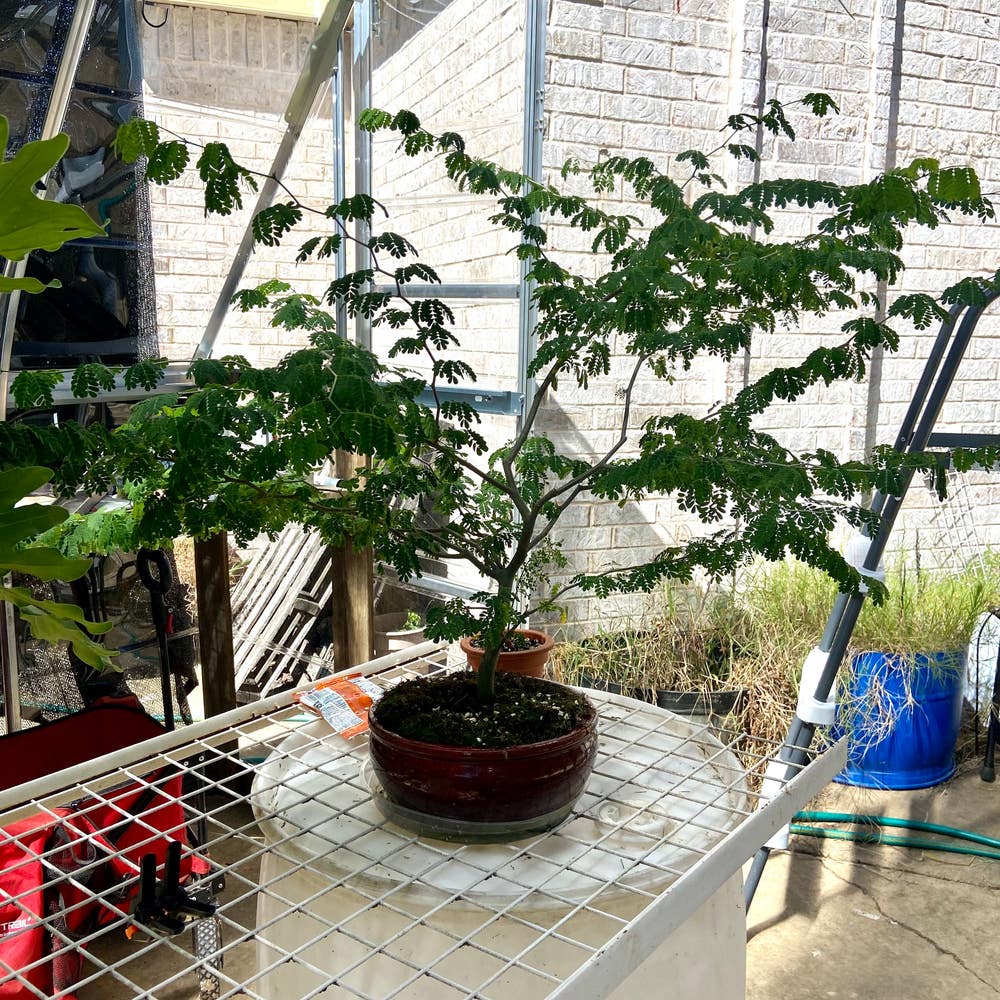
🌳 Ultimate Guide to Golden Raintree Roots
Koelreuteria paniculata
By the Greg Editorial Team
Oct 18, 2024•7 min read
This article was created with the help of AI so we can cover more plants for you. May contain errors. See one? Report it here.
Master Golden Raintree roots 🌱 for thriving growth and resilience in your landscape! 🌳
- 🌳 Golden Raintrees have deep taproots and wide fibrous roots for stability and nutrient absorption.
- 💧 Proper watering and fertilization are essential for healthy root development and tree growth.
- 🔍 Regular root inspections help detect issues early, ensuring long-term health and vitality.
Root Characteristics
🌱 Type of Root System
Golden Raintrees exhibit a fascinating root system that consists of both taproots and fibrous roots. The taproot provides depth and stability, anchoring the tree firmly into the ground, while the fibrous roots spread out horizontally, enhancing nutrient absorption.
The combination of these root types allows Golden Raintrees to thrive in various soil conditions. Different cultivars may exhibit variations in their root systems, impacting their growth and adaptability. Understanding these differences can help you choose the right cultivar for your landscape needs.
🌳 Taproot System: Depth and Stability
The taproot of the Golden Raintree can reach impressive depths, often extending several feet into the soil. This depth is crucial for accessing moisture during dry spells, ensuring the tree remains stable and resilient against strong winds.
🌾 Fibrous Roots: Spread and Nutrient Absorption
In contrast, the fibrous roots spread laterally, often covering an area up to 15 feet wide in mature trees. These roots play a vital role in anchoring the tree and efficiently absorbing nutrients from the surrounding soil.
🔍 Comparison of Root Systems in Different Cultivars
When comparing root systems across various Golden Raintree cultivars, you'll notice distinct characteristics. Some may have a more pronounced taproot, while others may develop a denser network of fibrous roots. This diversity can influence their growth patterns and overall health, making it essential to consider when planting.
Understanding the root characteristics of Golden Raintrees sets the foundation for effective care and maintenance. Next, we’ll explore how these roots grow in depth, spread, and patterns throughout the seasons.
Root Depth, Spread, and Growth Patterns
Root Depth 🌱
Golden Raintrees typically develop a root depth ranging from 2 to 3 feet (60-90 cm) in well-drained soils. This depth is crucial as it allows the tree to access moisture and provides stability against strong winds.
Importance of Deep Roots 🌳
Deep roots not only anchor the tree but also help it thrive during dry spells. A robust root system is essential for overall health and resilience.
Root Spread 🌍
As these trees mature, their lateral spread can reach up to 15 feet (4.5 meters). This expansive reach is vital for anchoring the tree and facilitating nutrient uptake.
Role of Fibrous Roots 🧬
Fibrous roots play a significant role in this process, ensuring the tree remains stable while efficiently absorbing nutrients from the soil. Their network supports the tree’s overall growth and vitality.
Growth Patterns 🌼
Golden Raintrees exhibit active growth primarily in the spring and summer months. During this time, root growth is closely linked to above-ground growth, ensuring that the tree can support its expanding canopy.
Seasonal Growth Dynamics 📅
Understanding these seasonal dynamics can help you better care for your Golden Raintree. By recognizing when the tree is most active, you can optimize your watering and fertilization efforts.
In summary, grasping the intricacies of root depth, spread, and growth patterns is essential for nurturing a healthy Golden Raintree. This knowledge sets the foundation for effective watering, fertilizing, and transplanting practices, which we will explore next.
Watering, Fertilizing, and Transplanting
💧 Watering Needs
Proper watering is crucial for Golden Raintree roots. Aim for deep watering to encourage roots to grow downwards, accessing moisture more effectively.
Surface watering can lead to shallow root systems, making trees vulnerable. Watch for signs of overwatering, like yellowing leaves and wilting, as these can indicate root rot risks.
🌱 Fertilization Techniques
Fertilization plays a key role in root health. Use balanced NPK fertilizers to provide essential nutrients, applying them around the root zone for optimal absorption.
Timing is everything; fertilize in early spring and mid-summer to support active growth. This ensures your Golden Raintree has the nutrients it needs when it needs them most.
🌳 Transplanting Best Practices
Transplanting can be a delicate process. The ideal times are early spring or fall, when the tree is less stressed and can adapt more easily.
To minimize root disturbance, dig carefully and keep as much of the root ball intact as possible. This helps your tree settle in without shock, promoting healthy growth in its new location.
By mastering these watering, fertilizing, and transplanting techniques, you set the stage for a thriving Golden Raintree. Next, let’s explore common root-related issues that can arise and how to tackle them effectively.
Common Root-Related Issues
Identifying Problems 🌱
Golden Raintrees can face several root-related issues, including root rot, pests, and diseases. Root rot is particularly concerning; signs include yellowing leaves and wilting, even when the soil appears adequately moist.
Solutions and Preventive Measures 🛠️
Preventing root rot starts with ensuring proper drainage and adopting effective watering techniques. Avoid overwatering, as this can create a breeding ground for rot.
Pest management is crucial for maintaining root health. Regularly inspect your plants for signs of root pests, such as unusual growth patterns or visible damage.
Lastly, make it a habit to conduct regular root inspections. Early detection of any issues can save your tree from severe damage and promote a healthier root system.
Understanding these common problems and their solutions empowers you to take proactive steps in caring for your Golden Raintree, ensuring its vitality and resilience.
Healthy vs. Unhealthy Roots
👀 Visual Cues for Assessing Health
Healthy roots are a gardener's pride. They should be firm, white, and well-structured, indicating robust growth and vitality.
In contrast, unhealthy roots present a worrying sight. Look for brown, mushy, or foul-smelling roots, which signal potential problems that need immediate attention.
⚠️ Indicators of Stress or Disease
Stress in plants often manifests through visible symptoms. Stunted growth and leaf discoloration are key indicators that something is amiss.
Early detection is crucial for effective treatment. Addressing these issues promptly can save your plant from further decline and ensure its long-term health.
Understanding these signs empowers you to take action, fostering a thriving garden environment.
Rootbound Conditions
Definition and Signs 🌱
"Rootbound" refers to a condition where roots circle around the pot, restricting growth. This can lead to poor drainage, stunted growth, and visible surface roots, making it crucial to recognize these signs early.
Addressing Rootbound Issues 🔧
Timing is key when it comes to repotting or dividing a rootbound plant. Ideally, you should do this in early spring or fall, when the plant is less stressed.
To alleviate rootbound conditions, consider pruning the roots and repotting into a larger container. This encourages healthier growth and allows the plant to thrive.
By understanding and addressing rootbound issues, you can ensure your Golden Raintree continues to flourish. Next, let’s explore propagation and division techniques to further enhance your gardening skills.
Propagation and Division
Importance of Root Health 🌱
Healthy roots are the backbone of successful propagation. They ensure that new plants can thrive, absorbing nutrients and water effectively.
Timing is crucial for propagation, with late spring to early summer being the ideal window. This period allows for optimal growth and establishment.
Techniques for Division ✂️
To divide your Golden Raintree, you'll need sharp, clean pruning shears. This ensures a clean cut, minimizing damage to the roots.
- Prepare the Area: Clear the surrounding soil to expose the root system.
- Careful Separation: Gently separate the root systems, ensuring each division has adequate roots.
- Post-Division Care: Water the newly divided plants thoroughly and monitor them for signs of stress.
By following these steps, you can promote healthy growth and ensure your Golden Raintree thrives in its new environment.
Understanding these techniques not only enhances your gardening skills but also fosters a deeper connection with your plants. Now, let’s explore how to identify and address root-related issues effectively.
Summary of Key Points
Understanding the root system of the Golden Raintree is crucial for its health and longevity. A well-developed root system not only anchors the tree but also plays a vital role in nutrient absorption and moisture access.
Healthy roots are the backbone of a thriving plant. They directly influence overall vitality and resilience, making it essential to monitor their condition regularly.
By applying the knowledge gained from this guide, you can enhance your care practices. This proactive approach will lead to a more robust and flourishing Golden Raintree in your landscape.
As you nurture your tree, remember that a little attention to its roots goes a long way in ensuring its success.
⚠️ Safety First
This content is for general information and may contain errors, omissions, or outdated details. It is not medical, veterinary advice, or an endorsement of therapeutic claims.
Always consult a qualified healthcare professional before using any plant as food, medicine, or supplement.
Never eat any plant (or feed one to pets) without confirming its identity with at least two trusted sources.
If you suspect poisoning, call Poison Control (800) 222-1222, the Pet Poison Helpline (800) 213-6680, or your local emergency service immediately.
Spotted an error? Please report it here.
Unlock the secret to thriving Golden Raintrees 🌳 with Greg's tailored watering reminders and nutrient tips that keep their roots happy and healthy!