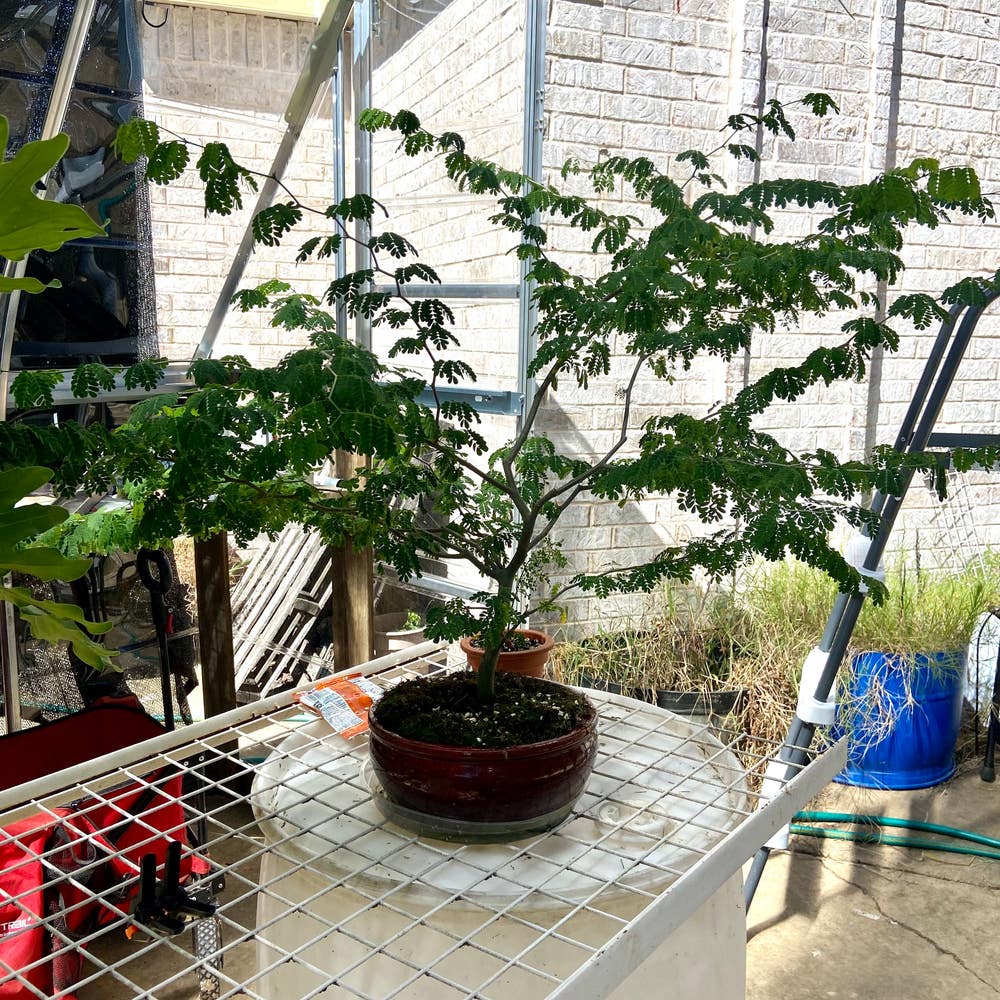
🌳 Golden Rain Tree Is a Perennial
Koelreuteria paniculata
By the Greg Editorial Team
Oct 09, 2024•4 min read
This article was created with the help of AI so we can cover more plants for you. May contain errors. See one? Report it here.
Transform your garden with the resilient Golden Rain Tree, a perennial beauty that thrives for decades! 🌳✨
- 🌳 Golden Rain Tree is a perennial, thriving annually from a strong root system.
- 🌼 Vibrant yellow flowers in summer indicate health and are influenced by climate.
- 🌱 Understanding seasonal changes helps gardeners optimize care for this adaptable tree.
Lifecycle and Growth Patterns
🌱 Multi-Year Lifecycle
The Golden Rain Tree showcases a remarkable multi-year growth cycle. Each year, it regrows from the same robust root system, demonstrating its resilience and adaptability to various environmental conditions.
This perennial thrives in diverse climates, making it a favorite among gardeners. Its ability to bounce back year after year is a testament to its strength and versatility.
📈 Growth Patterns and Regrowth
Understanding the growth patterns of the Golden Rain Tree is essential for appreciating its perennial nature. Seasonal growth phases play a crucial role in its classification, as the tree experiences distinct periods of activity and dormancy.
Healthy root systems are vital for annual regrowth. They not only support the tree's structure but also ensure it has the nutrients needed to flourish each season.
In summary, the Golden Rain Tree's lifecycle and growth patterns highlight its resilience and adaptability, making it a valuable addition to any garden. Next, we'll explore its flowering cycles and lifespan, further showcasing its beauty and longevity.
Flowering and Lifespan
🌼 Flowering Cycles
The Golden Rain Tree bursts into vibrant yellow flowers during the summer months. This stunning display not only brightens gardens but also signals the tree's health and vitality.
Seasonal changes play a crucial role in flowering. Variations in temperature and moisture can influence the timing and abundance of blooms, making it essential to monitor these factors for optimal flowering.
⏳ Expected Lifespan
Typically, the Golden Rain Tree enjoys a lifespan of 30 to 50 years. However, several factors can influence its longevity.
Soil quality is paramount; nutrient-rich, well-draining soil promotes robust growth. Additionally, climate conditions, such as temperature extremes and moisture levels, can significantly affect the tree's lifespan.
Established root systems are vital for longevity. A healthy root network not only supports the tree but also enhances its ability to withstand environmental stressors, ensuring a longer life.
Understanding these elements can help gardeners nurture their Golden Rain Trees for years to come. As we explore the next section, we'll delve into dormancy and how seasonal changes impact growth.
Dormancy and Seasonal Changes
Dormancy Periods 🌙
During the winter months, the Golden Rain Tree enters a dormancy period. This phase is crucial for conserving nutrients and maintaining root health.
Dormancy allows the tree to redirect energy away from growth, ensuring it can thrive when warmer weather returns. This natural cycle is essential for its long-term vitality.
Seasonal Changes Affecting Growth 🌦️
Temperature and moisture levels play significant roles in the growth patterns of the Golden Rain Tree. As seasons shift, these factors influence how the tree adapts and flourishes.
In warmer months, increased moisture and sunlight promote vigorous growth. Conversely, during colder periods, the tree conserves resources, preparing for the next cycle of life.
Understanding these seasonal changes helps gardeners anticipate the tree's needs and optimize care throughout the year. This knowledge is key to ensuring a thriving Golden Rain Tree in any garden.
Advantages for Gardeners
🌱 Benefits of Reduced Replanting
One of the standout advantages of the Golden Rain Tree is its perennial nature, which significantly reduces the need for replanting. This not only saves gardeners money but also cuts down on labor, allowing more time to enjoy the beauty of the garden.
🌳 Importance of Established Root Systems
The established root systems of Golden Rain Trees provide enhanced stability and nutrient uptake. This robust foundation makes them more resilient to environmental stressors, ensuring they flourish even in challenging conditions.
With these benefits in mind, gardeners can appreciate the long-term value of incorporating Golden Rain Trees into their landscapes. This resilience and low maintenance make them a fantastic choice for any garden enthusiast.
Climate Zone Variations
🌍 Variations in Behavior Across Climates
Climate zones significantly influence the growth and adaptability of the Golden Rain Tree. In warmer regions, these trees flourish, producing vibrant yellow flowers and robust foliage.
Conversely, in cooler climates, flowering may be delayed or less abundant. Dormancy periods can also vary, affecting overall health and growth patterns.
🌱 Tips for Maximizing Benefits
Selecting the right planting location is crucial for optimizing the Golden Rain Tree's performance. Aim for areas that receive ample sunlight and have well-draining soil.
Timing is equally important. Planting in early spring allows the tree to establish itself before the heat of summer, enhancing growth and flowering potential.
By understanding these climate-related factors, you can ensure your Golden Rain Tree thrives beautifully in your garden. This knowledge sets the stage for the next section on the advantages of this resilient perennial.
⚠️ Safety First
This content is for general information and may contain errors, omissions, or outdated details. It is not medical, veterinary advice, or an endorsement of therapeutic claims.
Always consult a qualified healthcare professional before using any plant as food, medicine, or supplement.
Never eat any plant (or feed one to pets) without confirming its identity with at least two trusted sources.
If you suspect poisoning, call Poison Control (800) 222-1222, the Pet Poison Helpline (800) 213-6680, or your local emergency service immediately.
Spotted an error? Please report it here.
Nurture your Golden Rain Tree to bloom brilliantly 🌼 for decades with Greg's tailored care tips and watering reminders that keep your garden thriving!