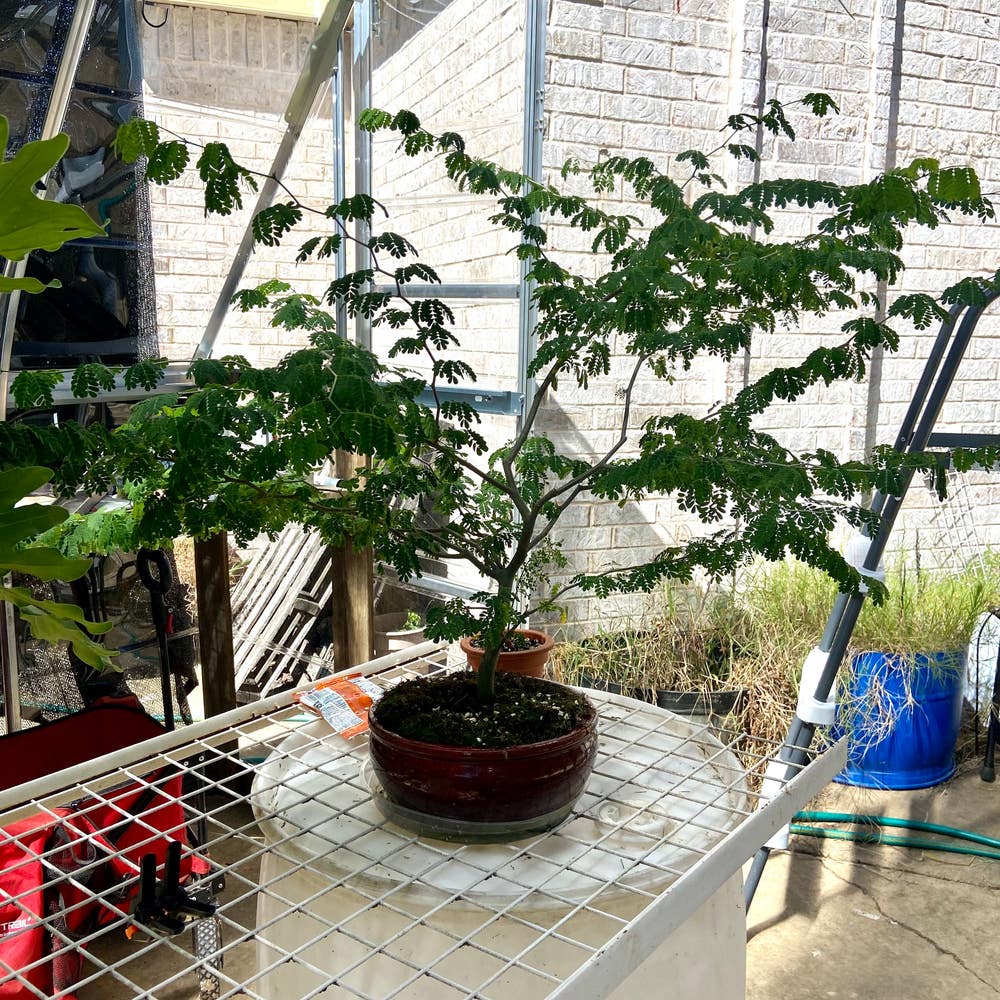
How to Recognize and Treat Root Rot in Your Golden Raintree 💧
Koelreuteria paniculata
By the Greg Editorial Team
Oct 18, 2024•5 min read
This article was created with the help of AI so we can cover more plants for you. May contain errors. See one? Report it here.
Revive your Golden Raintree from root rot 🌱 and ensure it thrives with these essential care tips! 🌿
- 🌱 Identify root rot by inspecting for black or mushy roots during pot checks.
- 🧼 Disinfect pots with bleach before repotting to eliminate harmful pathogens.
- 💧 Water sparingly post-treatment to prevent further root rot and promote recovery.
Treating Root Rot
Step-by-Step Treatment Process 🌱
Remove the plant from its pot: Start by gently shaking off the excess soil. This helps expose the roots for a thorough inspection.
Inspect the roots: Look for any black or mushy roots. Trim away these unhealthy sections to promote better growth.
Clean the pot: Disinfect the pot using a bleach solution. This step is crucial to eliminate any lingering pathogens.
Repot with fresh soil: Choose a well-draining soil mix suitable for your Golden Raintree. Fresh soil provides the nutrients your plant needs to recover.
Water sparingly: Allow the soil to dry out slightly before the next watering. This helps prevent further root rot and encourages healthy growth.
Recommended Fungicides or Treatments 🧪
Use of systemic fungicides: These are effective against root rot pathogens. They can help combat the infection from within.
Organic options: Consider using neem oil or cinnamon as natural antifungal treatments. Both are gentle yet effective alternatives.
Importance of Repotting 🌍
Provides fresh, nutrient-rich soil: This is essential for the recovery of your plant. Fresh soil can make a world of difference.
Improves drainage and aeration around the roots: Good drainage is key to preventing future issues. Aeration allows roots to breathe and thrive.
Reduces the risk of recurring fungal infections: By repotting, you minimize the chances of root rot returning. A proactive approach is always best.
By following these steps, you can effectively treat root rot and give your Golden Raintree a fighting chance. Next, let’s explore how to prevent root rot from occurring in the first place.
Preventing Root Rot
🌱 Best Soil Types
To keep your Golden Raintree thriving, start with a well-draining potting mix. Incorporating perlite or sand can significantly enhance aeration, allowing roots to breathe.
Maintaining the right soil pH is crucial too. Aim for a range between 6.0 to 7.0 for optimal plant health.
💧 Watering Techniques
Regularly check soil moisture levels to avoid overwatering. A moisture meter or a simple finger test can help you gauge when it's time to water.
Establish a consistent watering schedule. Allow the top inch of soil to dry out before giving your plant a drink.
Seasonal adjustments are also important. During dormancy, reduce your watering frequency to prevent excess moisture.
🚰 Importance of Drainage
Proper drainage is essential for preventing root rot. Always use pots with drainage holes to avoid water accumulation.
In garden settings, consider raised beds or mounds. These techniques improve drainage and promote healthier root systems.
By following these preventive measures, you can significantly reduce the risk of root rot in your Golden Raintree. Next, let’s explore how to monitor your plant's health effectively.
Monitoring Plant Health
🌱 Regular Checks for Root Health
Regular inspections are crucial for maintaining the health of your Golden Raintree. Aim for monthly checks to spot any signs of distress or root issues early.
Don’t forget to assess soil moisture levels during these inspections. Using a moisture meter or simply sticking your finger into the soil can help prevent overwatering, a common cause of root rot.
🌿 Signs of Recovery
After treatment, look for signs that your plant is bouncing back. New growth, such as healthy leaves and shoots, is a great indicator that your Golden Raintree is on the mend.
You should also notice an improvement in leaf color, returning to a vibrant green. Additionally, healthy, white roots should become visible during your inspections, signaling successful recovery.
🩺 When to Seek Professional Help
Sometimes, despite your best efforts, root rot symptoms may persist. If you notice ongoing issues after treatment, it’s time to consult a professional.
Extensive root damage can be a serious concern, especially if significant portions of the root system are affected. If you're uncertain about the diagnosis, seeking expert advice can provide clarity and guidance.
Monitoring your plant's health is essential for its longevity. With regular checks and a keen eye for recovery signs, you can ensure your Golden Raintree thrives. Next, let’s explore how to prevent root rot from occurring in the first place.
Common Misconceptions
🥴 Myths About Root Rot
Many people believe that root rot is solely caused by overwatering. While excessive moisture is a significant factor, soil type and drainage play crucial roles as well.
Another common myth is that all wilting plants indicate root rot. In reality, wilting can stem from various issues, including pests or environmental stressors.
🔍 Clarifying the Difference Between Root Rot and Other Issues
To effectively address root rot, it's essential to distinguish it from nutrient deficiencies. Inspecting the roots can reveal whether the problem lies in the soil or the nutrients available.
Additionally, recognizing signs of pests is vital. Symptoms of root rot often overlap with pest damage, making it crucial to identify the underlying cause accurately.
Understanding these misconceptions can empower you to take better care of your Golden Raintree. With the right knowledge, you can tackle root rot effectively and keep your plant thriving.
⚠️ Safety First
This content is for general information and may contain errors, omissions, or outdated details. It is not medical, veterinary advice, or an endorsement of therapeutic claims.
Always consult a qualified healthcare professional before using any plant as food, medicine, or supplement.
Never eat any plant (or feed one to pets) without confirming its identity with at least two trusted sources.
If you suspect poisoning, call Poison Control (800) 222-1222, the Pet Poison Helpline (800) 213-6680, or your local emergency service immediately.
Spotted an error? Please report it here.
Revive your Golden Raintree from root rot with Greg's tailored watering reminders and soil moisture checks, ensuring your plant stays vibrant and healthy! 🌿