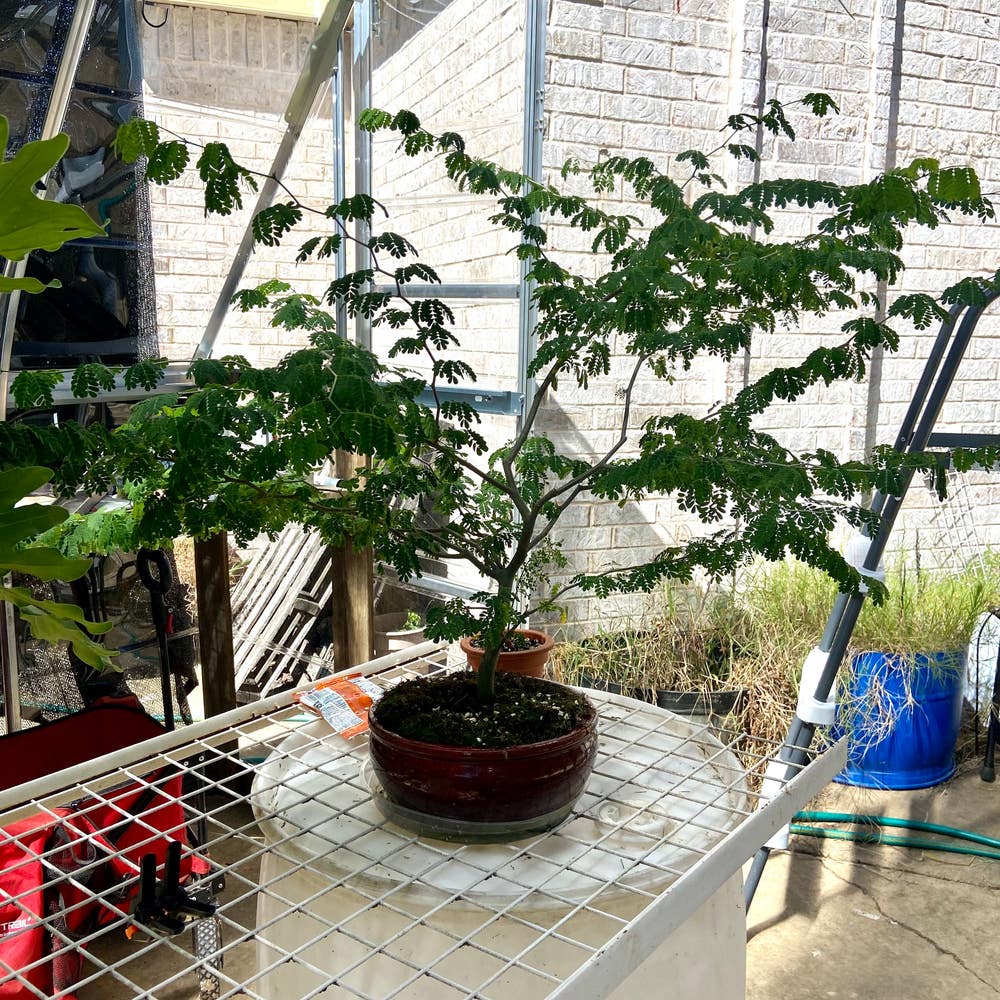
🌼 3 Factors Affecting Golden Raintree Flowering
Koelreuteria paniculata
By the Greg Editorial Team
Oct 18, 2024•3 min read
This article was created with the help of AI so we can cover more plants for you. May contain errors. See one? Report it here.
Revive your Golden Raintree's blooms 🌳 with these essential tips to solve common flowering problems!
- 🌞 Golden Raintrees need 6+ hours of sunlight daily for optimal blooming.
- 🌱 Nutritional deficiencies and age can hinder flowering; use balanced fertilizer for best results.
- 🌬️ Environmental stressors like drought and wind damage can cause premature flower drop.
Common Flowering Problems
🌸 Failure to Bloom
Potential Causes
One of the most frustrating issues for gardeners is when their Golden Raintree fails to bloom. This can stem from several factors:
- Insufficient light: If your tree receives less than 6 hours of direct sunlight daily, it may struggle to produce flowers.
- Nutritional deficiencies: A lack of essential nutrients can hinder blooming.
- Age of the tree: Older trees often have a reduced capacity for flowering.
Solutions and Preventive Measures
To encourage blooming, start by ensuring your tree gets enough sunlight.
- Sunlight exposure: Position your tree in a spot where it can bask in at least 6 hours of direct sunlight.
- Fertilization: Apply a balanced fertilizer in early spring to provide necessary nutrients.
- Tree age: Monitor the age of your tree and consider rejuvenation techniques if it’s getting older.
🌼 Premature Flower Drop
Factors Leading to Bud Drop
Premature flower drop can be disheartening, and several environmental factors contribute to this issue:
- Environmental stress: Extreme temperatures or drought conditions can cause stress.
- Overwatering or poor soil drainage: These conditions can lead to root stress, impacting flower retention.
Environmental Stressors and Their Impact
Understanding environmental stressors is crucial for prevention:
- High winds: Strong winds can physically damage flowers, leading to drop.
- Sudden temperature changes: Fluctuations can stress the tree, resulting in bud drop.
Remedies to Prevent Premature Drop
To mitigate premature flower drop, consider these strategies:
- Consistent watering: Water your tree regularly, but avoid waterlogging.
- Windbreaks: If your area is prone to high winds, installing windbreaks can help protect your tree.
- Mulching: Apply mulch to retain soil moisture and regulate temperature effectively.
🌺 Abnormal Flower Development
Identifying Abnormal Flower Growth
Abnormal flower development can manifest in noticeable ways:
- Deformed flowers: Look for unusual shapes or sizes in blooms.
- Reduced flower quantity: Fewer blooms than expected can signal underlying issues.
Causes
Several factors can lead to abnormal flower development:
- Pests: Aphids or spider mites can damage flower buds, impacting growth.
- Diseases: Fungal infections may compromise flower quality.
- Nutrient imbalance: Excessive nitrogen can promote lush foliage at the expense of flowers.
Solutions to Restore Normal Development
To restore healthy flower development, implement these solutions:
- Pest inspections: Regularly check for pests and treat them with insecticidal soap as needed.
- Soil quality: Improve soil with organic matter to balance nutrients effectively.
- Flower removal: Remove affected flowers to encourage new, healthy growth.
By addressing these common flowering problems, you can help your Golden Raintree thrive and produce beautiful blooms. Next, let’s explore how to enhance your tree’s overall health and resilience.
⚠️ Safety First
This content is for general information and may contain errors, omissions, or outdated details. It is not medical, veterinary advice, or an endorsement of therapeutic claims.
Always consult a qualified healthcare professional before using any plant as food, medicine, or supplement.
Never eat any plant (or feed one to pets) without confirming its identity with at least two trusted sources.
If you suspect poisoning, call Poison Control (800) 222-1222, the Pet Poison Helpline (800) 213-6680, or your local emergency service immediately.
Spotted an error? Please report it here.
Boost your Golden Raintree's blooms by mastering sunlight, nutrition, and care with Greg's tailored reminders for a thriving tree! 🌳