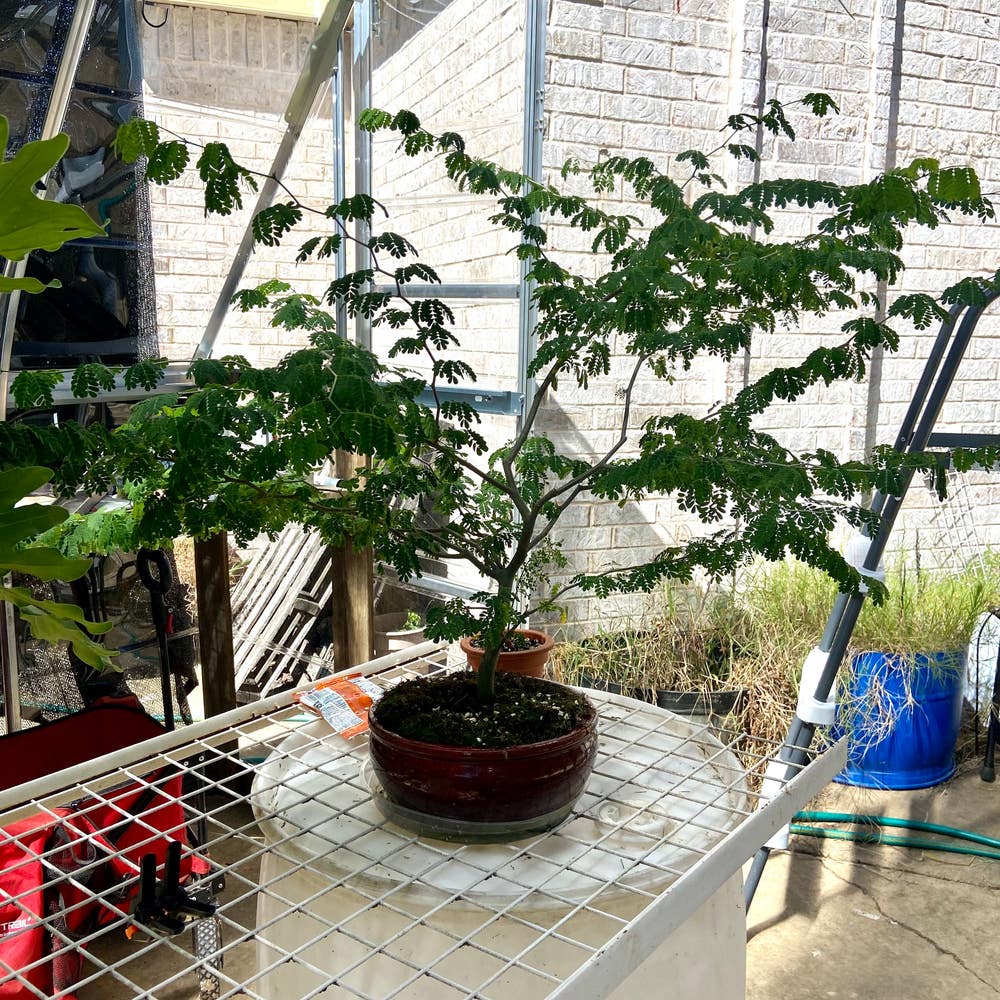
⚫ How to Cure Black Spots on Your Golden Raintree
Koelreuteria paniculata
By the Greg Editorial Team
Oct 18, 2024•5 min read
This article was created with the help of AI so we can cover more plants for you. May contain errors. See one? Report it here.
Transform your Golden Raintree's health by mastering diagnosis and treatment for pesky black spots! 🌳
- 🌱 Inspect leaves regularly to identify black spots and their causes early.
- 💧 Maintain well-drained soil and consistent watering to prevent root rot.
- 🛠️ Use organic treatments like neem oil for effective black spot management.
Diagnosing the Problem
🔍 Visual Inspection Techniques
To start diagnosing black spots on your Golden Raintree, conduct a thorough visual inspection of the leaves. Check both the upper and lower surfaces for any signs of disease, such as discoloration or unusual textures.
Next, identify the patterns of the spots. Are they localized to specific areas, or are they widespread across the tree? This information can help pinpoint the underlying issue.
🌦️ Assessing Environmental Factors
Environmental factors play a crucial role in leaf health. First, evaluate the light conditions; too much or too little sunlight can stress the leaves, leading to discoloration.
Soil moisture is another key factor. Understanding how moisture levels affect leaf spot development is essential for maintaining your tree's health. Additionally, consider the soil quality; well-drained soil is vital for the Golden Raintree to thrive.
🧪 Soil Testing for Nutrient Deficiencies
Soil testing is an effective way to identify nutrient deficiencies. Recommended tests can reveal crucial information about nutrient levels in your soil.
Once you have the results, interpret them carefully. Understanding how deficiencies can lead to leaf discoloration will guide your next steps. Adjusting soil amendments based on these findings is essential for correcting nutrient imbalances effectively.
By following these diagnostic steps, you can better understand the health of your Golden Raintree and take action to restore its vitality. Next, we’ll explore various treatment options to address the black spots you've identified.
Treatment Options
🌱 Organic Treatments for Black Spots
When it comes to treating black spots on your Golden Raintree, organic options can be both effective and environmentally friendly.
Neem Oil
Neem oil is a powerhouse for fungal control. To apply, mix it with water according to the instructions on the bottle and spray it directly onto the affected leaves, ensuring both the upper and lower surfaces are covered.
Baking Soda Solution
A simple baking soda solution can also work wonders. Mix one tablespoon of baking soda with a gallon of water and spray it on the leaves every two weeks to help prevent fungal growth.
Introducing Beneficial Fungi
Consider introducing mycorrhizae to your soil. These beneficial fungi enhance nutrient uptake and can improve your tree's overall health, making it more resilient against diseases.
🧪 Chemical Treatments and Fungicides
If organic methods aren't cutting it, chemical treatments may be necessary.
Recommended Fungicides
Look for fungicides specifically designed for leaf spot diseases. Products containing chlorothalonil or copper-based fungicides are often effective against various fungal infections.
Application Guidelines
Timing is crucial when applying fungicides. Aim for early morning or late afternoon applications to maximize efficacy and minimize the risk of sunburn on your tree.
Safety Precautions
Always read the label for safety precautions. Ensure that the fungicide is safe for use around other plants and wildlife, especially if you have pets or children.
📝 Step-by-Step Guide to Applying Treatments
Applying treatments effectively can make all the difference. Follow these steps for best results:
- Identify whether you’ll use an organic or chemical treatment.
- Prepare the treatment solution according to the instructions.
- Apply the solution in the early morning or late afternoon to avoid sunburn.
- Monitor your tree for changes and reapply as necessary.
With these treatment options in hand, you're well on your way to restoring your Golden Raintree's health. Next, let’s explore preventive measures to keep those pesky black spots at bay.
Preventive Measures
Best Practices for Watering and Soil Management 🌊
Maintaining a consistent watering schedule is crucial for your Golden Raintree. Aim to keep the soil evenly moist, but avoid overwatering, which can lead to root rot and exacerbate leaf spot issues.
Well-draining soil is essential for healthy growth. If your soil retains too much moisture, consider amending it with organic matter or sand to improve drainage.
Importance of Proper Pruning and Air Circulation ✂️
Proper pruning techniques can significantly enhance airflow around your tree. Remove any affected leaves promptly to prevent the spread of disease and encourage new growth.
Timing is key when it comes to pruning. Aim to prune during the dormant season to minimize stress on the tree and promote healthier regrowth.
Seasonal Care Tips to Prevent Black Spots 🍂
In spring, focus on fertilization and keep an eye out for early signs of disease. This proactive approach can help you catch issues before they escalate.
During the hot summer months, adjust your watering practices to prevent stress on the tree. Ensure that the soil remains moist but not soggy.
As fall approaches, prepare your tree for winter by reducing leaf litter and ensuring it’s well-fertilized. This will help bolster its defenses against potential diseases.
By implementing these preventive measures, you can significantly reduce the risk of black spots on your Golden Raintree. Next, let’s explore effective treatment options to tackle any existing issues.
Long-term Care
Nutritional Needs of Golden Raintree 🌱
To keep your Golden Raintree thriving, it's crucial to provide the right fertilizers. Look for balanced options like a 10-10-10 NPK mix, applying it every 6-8 weeks during the growing season.
Recognizing nutrient deficiencies early can save your tree from significant stress. Yellowing leaves or stunted growth often signal a need for more nitrogen, while browning leaf edges may indicate potassium deficiency.
Monitoring for Recurring Issues 🔍
Regular inspections are key to maintaining your tree's health. Aim to check for black spots and other symptoms at least once a month, especially during the growing season.
Keeping a record of your observations and treatments can be incredibly beneficial. Documenting changes helps you spot patterns and adjust your care routine effectively.
When to Consult a Professional Arborist 📞
Sometimes, your Golden Raintree may face challenges beyond your expertise. If you notice severe infestations or persistent issues that don’t improve with your efforts, it might be time to call in a professional.
Professional arborists bring valuable expertise to the table. They can diagnose complex problems and recommend tailored solutions, ensuring your tree gets the best care possible.
By staying proactive in your long-term care approach, you can enjoy a vibrant and healthy Golden Raintree for years to come. Next, let’s explore preventive measures to keep those black spots at bay!
⚠️ Safety First
This content is for general information and may contain errors, omissions, or outdated details. It is not medical, veterinary advice, or an endorsement of therapeutic claims.
Always consult a qualified healthcare professional before using any plant as food, medicine, or supplement.
Never eat any plant (or feed one to pets) without confirming its identity with at least two trusted sources.
If you suspect poisoning, call Poison Control (800) 222-1222, the Pet Poison Helpline (800) 213-6680, or your local emergency service immediately.
Spotted an error? Please report it here.
Combat black spots on your Golden Raintree and ensure its vibrant health 🌳 with Greg's personalized care tips and watering reminders that make thriving easy!