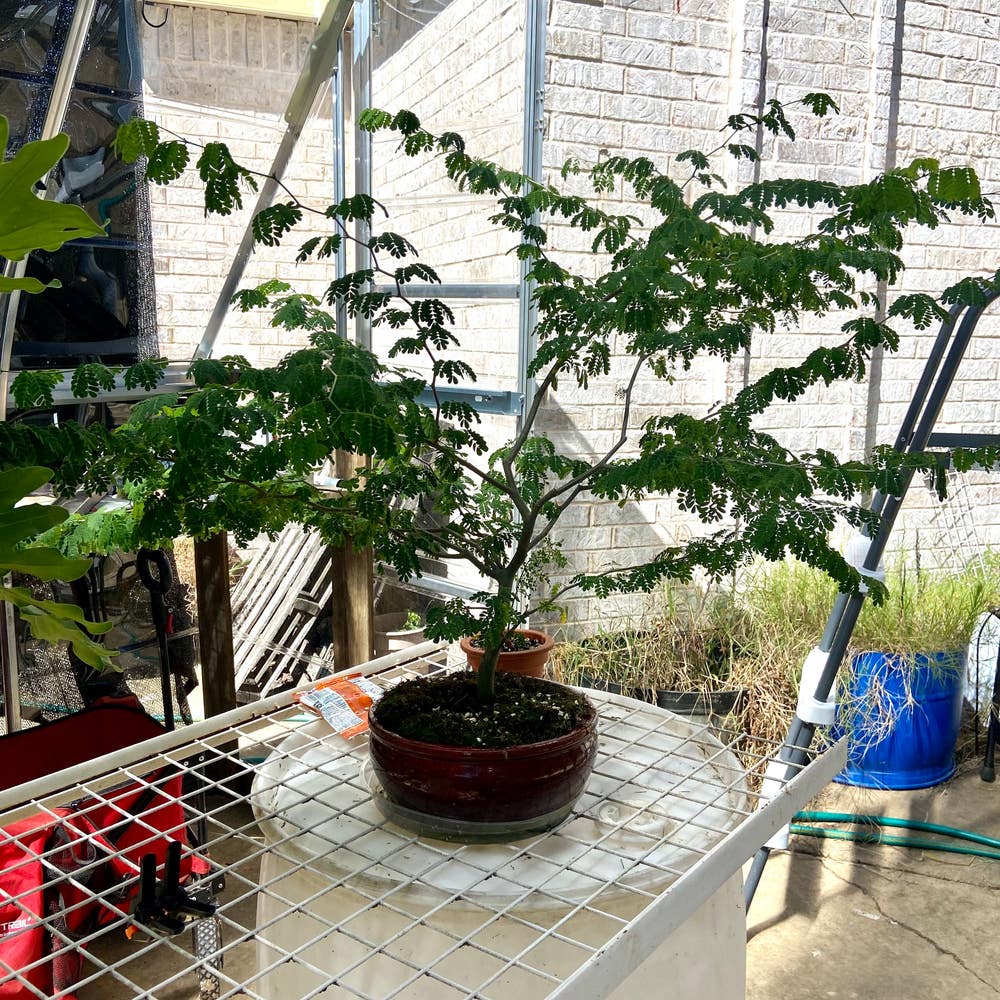
🌳 Golden Raintree: Not an Annual
Koelreuteria paniculata
By the Greg Editorial Team
Oct 18, 2024•5 min read
This article was created with the help of AI so we can cover more plants for you. May contain errors. See one? Report it here.
Transform your garden with the resilient Golden Raintree, a perennial that thrives year-round! 🌳✨
- 🌳 Golden Raintree is a perennial, thriving for decades in various climates.
- 🌼 It blooms vibrantly in summer, attracting pollinators and enhancing landscapes.
- 🌱 Proper soil and care ensure robust growth and long-term stability in gardens.
Golden Raintree as a Perennial
🌱 Genetic Characteristics
The Golden Raintree thrives in its native habitat of East Asia, particularly in China and Korea. Its genetic traits are finely tuned for long-term survival in temperate climates, making it a resilient choice for gardens.
🌳 Physiological Traits Supporting Perennial Growth
This tree is deciduous, shedding its leaves in winter to conserve energy. Its deep and extensive root system allows for efficient nutrient and water uptake, supporting its robust growth.
📏 Height and Structure
Golden Raintrees typically reach heights of 30 to 40 feet, featuring a broad, rounded crown. This structure not only provides shade but also adds visual interest to any landscape.
⏳ Long-Term Lifecycle and Growth Patterns
With a lifespan that often spans several decades, the Golden Raintree exhibits unique growth patterns. Initially, it may grow slowly, but as it matures, it experiences rapid expansion.
❄️ Seasonal Behavior
During winter, the tree enters a dormant phase, conserving energy for the active growth that occurs in spring and summer. This seasonal behavior is crucial for its long-term health and vitality.
The Golden Raintree's perennial nature not only enhances its resilience but also contributes to its appeal in garden design. As we explore its reproductive strategies next, we'll see how this tree continues to thrive year after year.
Reproductive Strategies
🌼 Flowering Cycles
Golden Raintree bursts into bloom during the summer, showcasing its distinctive yellow flowers. This vibrant display not only beautifies the landscape but also attracts a variety of pollinators, enhancing its reproductive success.
🌱 Seed Production and Dispersal Mechanisms
After flowering, the tree develops papery seed pods that are crucial for reproduction. These pods rely on wind and gravity to disperse seeds, ensuring the species can thrive in new locations.
🔄 Comparison with Annual Reproductive Strategies
Unlike annual plants, which complete a single flowering and seed production cycle each year, perennials like the Golden Raintree engage in multiple flowering cycles over their lifespan. This strategy allows them to sustain reproduction and contribute to the ecosystem year after year.
The Golden Raintree's reproductive strategies not only highlight its resilience but also set the stage for understanding its broader implications in garden design and management.
Implications of Perennial Nature
🌱 Effects on Growth and Flowering Compared to Annuals
Golden Raintrees exhibit continuous growth, leading to longer flowering periods and more robust overall development. Unlike annuals, which focus their energy on a single blooming cycle, these perennials prioritize root development and longevity, ensuring they thrive year after year.
🌼 Advantages of Perennial Planting in Garden Design
Incorporating Golden Raintrees into your garden offers stability, as they provide a long-term presence that reduces the need for frequent replanting. Their seasonal changes in foliage and flowers not only enhance the garden's aesthetic appeal but also create a dynamic landscape that evolves throughout the year.
📅 Seasonal Considerations
Understanding the seasonal behavior of Golden Raintrees can help you appreciate their lifecycle:
Spring
This is when new growth emerges, and the tree begins to flower, bringing vibrant colors back to the garden.
Summer
During summer, the tree reaches full bloom and produces seeds, attracting various pollinators and enhancing biodiversity.
Fall
As autumn arrives, the tree sheds its leaves, preparing for dormancy while conserving energy for the colder months.
Winter
In winter, the Golden Raintree enters a dormant phase, resting and storing energy for the next growth cycle.
These seasonal considerations not only inform your gardening practices but also highlight the unique beauty of Golden Raintrees throughout the year. With this understanding, you can better appreciate their role in your garden and plan for their integration into your landscape design.
Next, let's explore common misconceptions about Golden Raintrees and how they might be mistaken for annuals.
Common Misconceptions
Situations Where It May Be Mistaken for an Annual 🌱
The Golden Raintree can sometimes be misidentified as an annual due to its growth patterns in less-than-ideal conditions. In environments with poor soil or unfavorable climates, its lifespan may be shorter, leading to confusion about its perennial nature.
Regional Variations Affecting Its Classification 🌍
Climate plays a significant role in how the Golden Raintree grows and flowers. Variations in local conditions can affect its overall health and reproductive success.
Soil conditions also matter. Nutrient availability can greatly influence growth patterns, making it essential to understand the specific environment where the tree is planted.
Recognizing these factors helps clarify why the Golden Raintree is a perennial, even when it might not seem like one at first glance.
As we delve deeper into its lifecycle, we can appreciate the resilience and adaptability of this remarkable tree.
Garden Management Tips
🌱 Strategies for Maximizing Longevity
To ensure your Golden Raintree thrives, start with soil preparation. Aim for well-draining, nutrient-rich soil to support optimal growth.
Next, focus on watering practices. Deep watering encourages a robust root system, essential for the tree's long-term health.
🌳 Best Practices for Planting and Care
When planting, consider spacing. Provide adequate room for growth and air circulation to prevent disease and promote healthy development.
Regular pruning is also crucial. This maintenance helps shape the tree and encourages vibrant growth and flowering.
🎨 Tips for Integrating into Garden Design
For a visually appealing garden, explore companion planting. Pair your Golden Raintree with other perennials to create a dynamic landscape.
Lastly, think about seasonal planning. Design your garden for year-round appeal, making the Golden Raintree a stunning focal point throughout the seasons.
These management tips will not only enhance the longevity of your Golden Raintree but also enrich your garden's overall aesthetic. Transitioning into the next section, let's explore the common misconceptions surrounding this remarkable perennial.
⚠️ Safety First
This content is for general information and may contain errors, omissions, or outdated details. It is not medical, veterinary advice, or an endorsement of therapeutic claims.
Always consult a qualified healthcare professional before using any plant as food, medicine, or supplement.
Never eat any plant (or feed one to pets) without confirming its identity with at least two trusted sources.
If you suspect poisoning, call Poison Control (800) 222-1222, the Pet Poison Helpline (800) 213-6680, or your local emergency service immediately.
Spotted an error? Please report it here.
Transform your garden with the stunning Golden Raintree 🌳 and let Greg guide you with tailored care tips to ensure its vibrant growth for years to come!