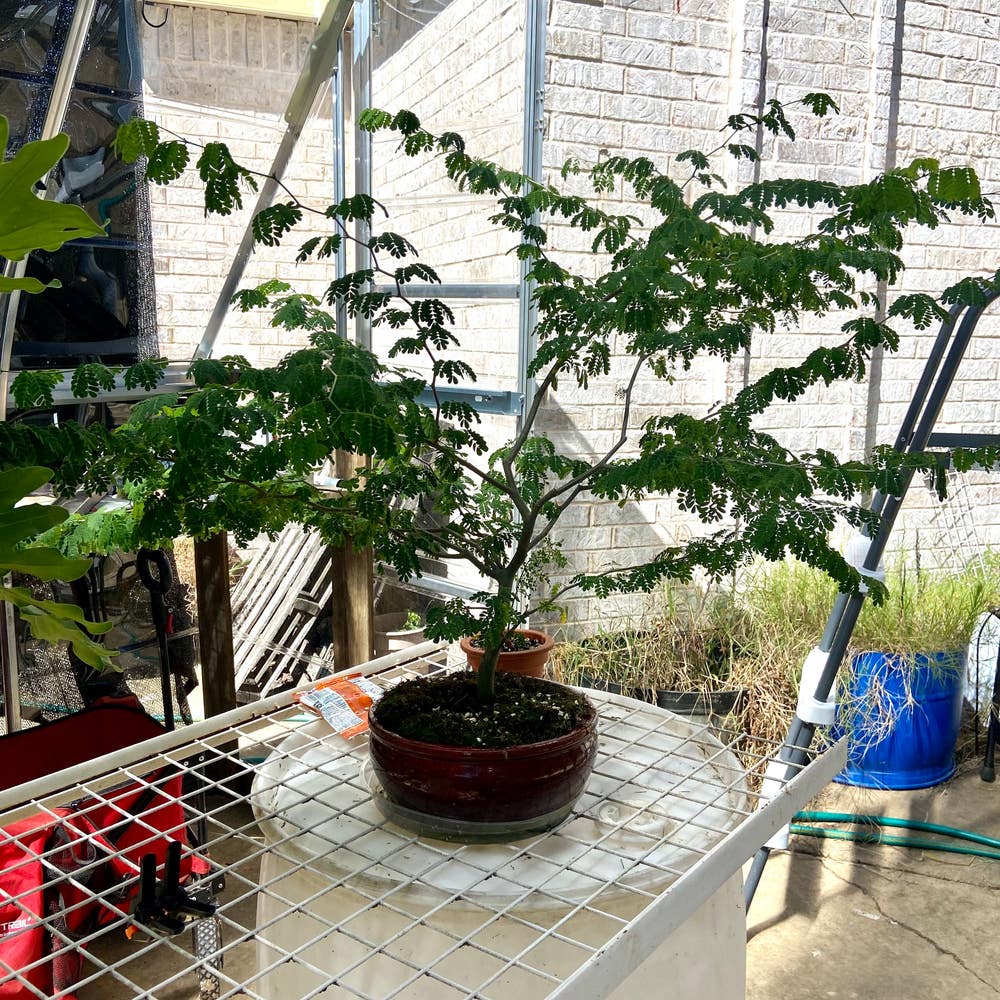
Golden Rain Tree - Ultimate Guide to Fertilizing
Koelreuteria paniculata
By the Greg Editorial Team
Feb 15, 2024•4 min read
This article was created with the help of AI so we can cover more plants for you. May contain errors. See one? Report it here.
Nurture a breathtaking Golden Rain Tree bloom 🌳✨ with our ultimate fertilization secrets.
- Balanced NPK ratio (10-10-10) essential for health and blooms.
- 🌱 Fertilize in spring and post-bloom for vibrant growth and recovery.
- 🚫 Avoid over-fertilization; follow dosage and water after applying.
Picking the Perfect Fertilizer
💡 Understanding NPK Ratios for Golden Rain Trees
Golden Rain Trees need a balanced diet of nutrients to flourish. The ideal NPK ratio for these trees is a balanced 10-10-10 or a similar blend. Nitrogen promotes leaf growth, phosphorus is crucial for vibrant blooms, and potassium ensures overall plant health. Remember, it's about harmony; too much nitrogen and you'll have a bushy tree with few blooms.
💭 Organic vs. Synthetic: Making the Right Choice
Organic fertilizers are the long game players, releasing nutrients slowly and improving soil health over time. They're like a slow infusion of goodness for your Golden Rain Tree. Synthetic fertilizers, however, provide a quick fix of nutrients, but beware—they can lead to nutrient burn if not applied with a careful hand. When it comes to bloom quality, organics tend to support more sustainable, long-term results, while synthetics can push out a dazzling but potentially short-lived display. Choose wisely.
Timing is Everything: When to Fertilize
🌱 Spring into Action: Pre-Bloom Fertilization
Spring heralds growth for the Golden Rain Tree, making it prime time for fertilization. As the ground thaws and new buds form, a well-timed dose of fertilizer sets the stage for vibrant blooms. March or early April, when the tree's growth cycle begins, is ideal. This pre-bloom boost supports robust root development and prepares the tree for the blooming spectacle ahead.
🌸 Post-Bloom Care: Extending the Show
Once the blooms have taken their final bow, it's tempting to let the curtain fall on fertilization. However, a post-bloom application ensures the encore for next season is even more striking. Aim for a light fertilizing session as the flowers fade, typically in late summer or early fall. This helps the tree store energy for the winter and emerge with gusto come spring. Remember, less is more during this phase to avoid overstimulating the tree as it enters dormancy.
Fertilizing Like a Pro
💧 The Right Amount: Dosage Tips
To avoid the pitfalls of over-fertilization, remember that less is more. Stick to the recommended dosage on the fertilizer package. This isn't just friendly advice; it's a rule to live by for the health of your Golden Rain Tree. Overdoing it can lead to nutrient burn, which is about as fun for your tree as sunburn is for you.
🌱 The Method Matters: Application Techniques
For a Golden Rain Tree in full, lush bloom, apply fertilizer at the base, away from the trunk, to encourage root growth. Liquid fertilizers should be diluted to half-strength, as if you're mixing a delicate potion, not a strong brew. Granular types should be sprinkled evenly, not dumped in a heap. After application, water your tree to help the nutrients travel down to the roots, where they're needed most. Think of it as giving your tree a nutrient-infused drink to sip on, not a gulp that chokes.
Troubleshooting: Over-Fertilization and Recovery
🚨 Spotting Trouble: Signs of Too Much Love
Golden Rain Trees are resilient, but over-fertilization can push them over the edge. Yellowing leaves and stunted growth scream for intervention. A white, salty crust on the soil is like a red flag waving at a bull—hard to miss and a clear sign of nutrient overload. If the roots look soggy or blackened, it's a distress signal from below ground.
🛠️ The Recovery Plan: Getting Back on Track
First, stop fertilizing immediately—your tree needs a break. Begin the recovery by flushing the soil with water to dilute the excess nutrients. This might feel like a workout for your watering can, but it's crucial. Repeat every few days, checking if the tree's condition improves. If the situation is dire, consider replacing the soil to give your tree a fresh start. In the future, remember that less is more. Stick to the recommended dosage and frequency to avoid a repeat performance. Keep an eye on your tree; it won't send a thank you note, but new growth is a sign of gratitude.
⚠️ Safety First
This content is for general information and may contain errors, omissions, or outdated details. It is not medical, veterinary advice, or an endorsement of therapeutic claims.
Always consult a qualified healthcare professional before using any plant as food, medicine, or supplement.
Never eat any plant (or feed one to pets) without confirming its identity with at least two trusted sources.
If you suspect poisoning, call Poison Control (800) 222-1222, the Pet Poison Helpline (800) 213-6680, or your local emergency service immediately.
Spotted an error? Please report it here.
Nurture a blooming 🌸 Golden Rain Tree with Greg's tailored reminders for the perfect fertilization schedule and dosage, ensuring vibrant health and growth.