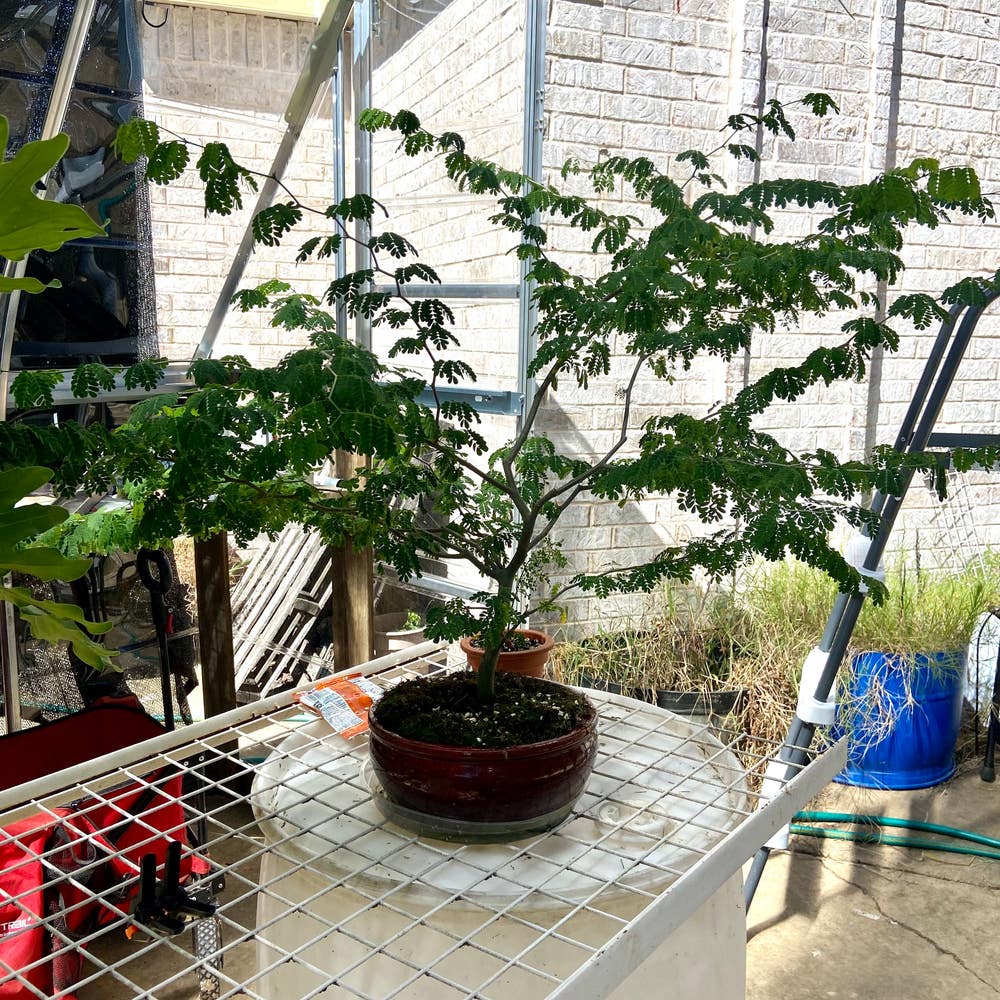
Should I Repot My Golden Rain Tree And If So, How?
Koelreuteria paniculata
By the Greg Editorial Team
Feb 12, 2024•4 min read
This article was created with the help of AI so we can cover more plants for you. May contain errors. See one? Report it here.
Ensure your Golden Rain Tree's 🌳 vigor with this essential guide to timely and effective repotting. 🌱
- Roots escaping, poor drainage, stunted growth signal repotting time.
- Repot in spring to align with growth cycle, reduce stress.
- Choose right pot: slightly larger, well-draining, consider material.
Spotting the Tell-Tale Signs It's Time for a New Home
🌱 Root Check: The Tangled Truth
Roots should be comfortably tucked away, not making a break for it through the pot's drainage holes. If you spot a root escape act or a dense root network replacing the soil, it's a clear signal: your Golden Rain Tree is root-bound and yearns for more space.
💧 Water Woes: Drainage Drama
When water races through the pot faster than a kid on a sugar rush, it's not just poor drainage—it's a symptom of overcrowded roots. If your watering routine feels like a futile exercise, it's time to consider repotting.
🌿 Growth Gaps: When Your Tree Stops Thriving
If your Golden Rain Tree's growth has hit a wall, it's not slacking off—it's suffocating. Stunted growth, along with a top-heavy stance or yellowing leaves, are distress signals. They're not quirks; they're a desperate plea for a new home.
Choosing the Right Season for Repotting
🌱 Spring into Action: Why Spring is Repotting Season
Spring is repotting prime time for your Golden Rain Tree. It's the season when the tree is waking up, ready to burst into new growth, making it the best moment for a change of scenery. Repotting in spring leverages the tree's natural cycle, encouraging quick recovery and minimizing stress.
Plant Life Cycle Considerations
Align repotting with the tree's growth stages. Young trees often benefit from annual repotting, while older ones can stretch it out a bit longer. The key is to catch them before they've exhausted their pot's resources. Remember, stable temperatures and a bit of humidity are your sidekicks in this adventure. Avoid the extremes; your tree's not a fan of drama.
The Repotting Rundown: A Step-by-Step Guide
🌱 Prepping the Perfect Pot
Size matters when selecting a new pot for your Golden Rain Tree. Aim for a pot that's a couple of inches larger in diameter than the current one. Ensure it has adequate drainage holes—your tree's roots despise soggy conditions. Wash the new pot if it's been used before to prevent any unwelcome microbial guests.
🌿 The Gentle Uproot
Time to evict your tree from its cramped quarters. If the pot's flexible, a gentle squeeze might do the trick. Otherwise, a careful slide of a knife around the edge can help. Handle with care; you want to preserve the root structure as much as possible. Once free, it's time for a root inspection.
🌳 Root TLC: Trimming and Care
Inspect the roots like a hawk. Snip away any that are dead or circling the pot—a sign they've been looking for an escape. Use sharp, clean scissors for a clean cut, which promotes healthy regrowth. Remember, you're giving your tree a fresh start, not a haircut from hell.
🌱 Soil Selection: Setting the Foundation
The right potting mix is like a good support system—it makes all the difference. Opt for a well-draining mix tailored for trees. Before you repot, moisten the soil slightly—it should be damp, not drenched. Think of it as pre-gaming for your tree's roots, so they can ease into their new home.
Picking the Ideal Pot: Material Matters
👟 Breathability and Drainage: Terracotta vs. Plastic
Terracotta pots are like breathable sneakers for your Golden Rain Tree's roots; they let air in and excess moisture out. If you're the type who loves to give your plants a good drink, terracotta will help you avoid waterlogged soil. On the flip side, plastic pots are the clingy type; they hold onto water longer, which can be great if you're a forgetful waterer, but a root rot risk for the overly enthusiastic.
🏋️♂️ Weight and Insulation: Ceramic and Other Options
Ceramic pots are the show ponies of the pot world—stylish but heavy. They offer a middle ground with some breathability, but you'll want to make sure they have drainage holes to prevent your tree's feet from getting too wet. Remember, these pots can be hefty, so if you like to shuffle your plants around, you might want to hit the gym first. Other materials like metal can affect temperature, so if you're not looking to cook your tree's roots in the summer, stick with something that offers more thermal insulation.
⚠️ Safety First
This content is for general information and may contain errors, omissions, or outdated details. It is not medical, veterinary advice, or an endorsement of therapeutic claims.
Always consult a qualified healthcare professional before using any plant as food, medicine, or supplement.
Never eat any plant (or feed one to pets) without confirming its identity with at least two trusted sources.
If you suspect poisoning, call Poison Control (800) 222-1222, the Pet Poison Helpline (800) 213-6680, or your local emergency service immediately.
Spotted an error? Please report it here.
Ensure your Golden Rain Tree thrives by letting Greg remind you 🌳 when it's time to repot and help measure the perfect pot size for a stress-free growth season!