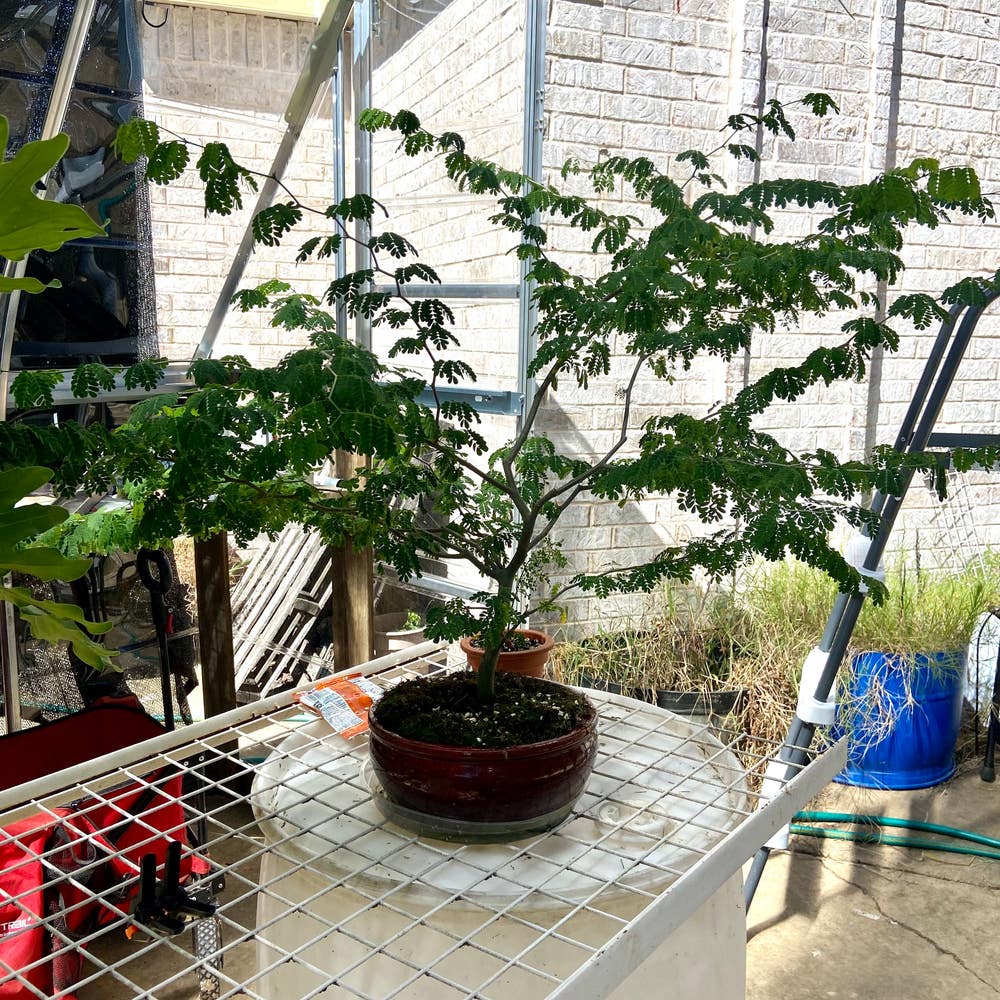
💧 Why Are My Golden Rain Tree Leaves Mushy?
Koelreuteria paniculata
By the Greg Editorial Team
Feb 12, 2024•3 min read
This article was created with the help of AI so we can cover more plants for you. May contain errors. See one? Report it here.
Solve the mystery of mushy Golden Rain Tree leaves and revive your tree's health! 🌳🔍
- Mushy leaves signal distress, often due to overwatering or fungal issues.
- Adjust watering and apply fungicide to treat and prevent mushiness.
- Improve soil drainage with perlite, sand, and pots with drainage holes.
Spotting the Trouble: Signs of Mushy Leaves
🚨 Visual Symptoms
Discoloration is your plant's distress flare. Leaves that once boasted a vibrant green may now sport a sickly yellow or brown, like a traffic light signaling trouble ahead. They might even resemble overcooked vegetables, limp and lifeless.
🖐️ Tactile Clues
Leaves should offer resistance, like a firm handshake; if they squish under gentle pressure, it's a sign of defeat. They may feel like a marshmallow or soggy bread, which is never a good sign in the plant world. Translucency is another red flag, indicating that the cells are more waterlogged than a sunken ship. If the leaves are falling off without resistance, it's not just a seasonal change—it's a full-blown crisis.
Rooting Out the Causes
💦 When Water is Too Much of a Good Thing
Overzealous watering turns the Golden Rain Tree's roots into a soggy mess. Roots need air, and too much water is like putting them on a liquid diet they never signed up for. The result? Leaves that feel more like a damp sponge than a vibrant plant.
🍄 Fungus Among Us
Fungi thrive in wet conditions, turning your tree's leaves into their personal buffet. Root rot is the uninvited dinner guest, feasting away beneath the soil. It's not just about spotting the mushrooms; it's about recognizing the invisible mycelium party happening at your tree's expense.
🚰 When the Ground Won't Absorb
Poor soil drainage is like a bad plumbing job—it keeps the water exactly where you don't want it. If water puddles around your tree like a moat, it's a red flag. Compacted soil is the culprit, acting like a clingy ex, refusing to let go of the moisture.
Turning Over a New Leaf: Treatment Tactics
💧 Dialing Back on H2O
Adjusting your watering habits is crucial. Wait for the top inch of soil to dry before giving your Golden Rain Tree a drink. Water deeply, but not too often, to mimic natural rainfall. In cooler months, when growth slows, reduce the frequency even more.
🍄 Fungicide to the Rescue
At the first sign of fungal trouble, remove affected leaves to prevent spread. Apply a targeted fungicide, adhering strictly to the instructions. Rotate products if necessary to avoid resistance. Protective gear is a must—safety first.
🌱 Soil Rehab
If your soil is retaining water like a sponge, it's time for an intervention. Mix in perlite or coarse sand to improve drainage. Repotting might be in order—give your tree a fresh start with well-draining soil and a pot that lets it breathe.
Keeping Leaves Firm: Prevention Practices
💧 Water Wisdom
Consistency is the cornerstone of plant health. Establish a watering routine that mimics a desert downpour followed by sunshine—water deeply, then allow the soil to dry out before the next session. Tailor your approach with the seasons, recognizing that plants are less thirsty in winter. A moisture meter can be your sidekick, but don't discount the classic finger test. Remember, overwatering is the slip road to soggy leaf city.
🌱 Soil Vigilance
Regular soil check-ups are like a plant's annual physical—essential for early detection of potential issues. Ensure your soil mix is the life of the party for roots, with good drainage and aeration. If your soil is more clay than a pottery class, it's time to mix in some perlite or coarse sand. Keep mulch in the friend zone—not too close to the stem—to prevent unwanted moisture and pests. And let's not forget, a pot with drainage holes is not just a container, it's a lifeline.
⚠️ Safety First
This content is for general information and may contain errors, omissions, or outdated details. It is not medical, veterinary advice, or an endorsement of therapeutic claims.
Always consult a qualified healthcare professional before using any plant as food, medicine, or supplement.
Never eat any plant (or feed one to pets) without confirming its identity with at least two trusted sources.
If you suspect poisoning, call Poison Control (800) 222-1222, the Pet Poison Helpline (800) 213-6680, or your local emergency service immediately.
Spotted an error? Please report it here.
Prevent mushy leaves and ensure your Golden Rain Tree thrives with Greg's personalized watering schedules 💧, tailored to keep your green friends happy and healthy.