🌧 Golden Rain Tree is an Invasive Plant
Koelreuteria paniculata
By the Greg Editorial Team
Oct 09, 2024•8 min read
This article was created with the help of AI so we can cover more plants for you. May contain errors. See one? Report it here.
Uncover the hidden threat of the Golden Rain Tree 🌳—its beauty masks a danger to our ecosystems!
- 🌳 Golden Rain Tree is invasive, outcompeting native plants and reducing biodiversity.
- 🌼 Identifying features include compound leaves and bright yellow flowers—know your look-alikes!
- 🚫 Control methods like manual removal and herbicides are essential for management.
Plant Classification
Definition of Invasive Species and Weeds 🌱
An "invasive species" is a plant that spreads aggressively, often outcompeting native flora. Weeds, on the other hand, are unwanted plants that can disrupt ecosystems, agriculture, and landscapes.
Invasive plants typically share key characteristics: they grow rapidly, produce a high volume of seeds, and can significantly impact local ecosystems. Their competitive nature often leads to a decline in biodiversity, making them a concern for environmental health.
Criteria for Classifying Golden Rain Tree as Invasive 🌳
The Golden Rain Tree exemplifies invasive behavior through its rapid growth and prolific seed production. A single tree can produce thousands of seeds each year, ensuring its spread across various landscapes.
This species thrives in diverse soil types and conditions, making it adaptable and hard to control. Compared to other invasive plants, the Golden Rain Tree stands out due to its resilience and ability to dominate both urban and natural environments.
Understanding these traits is crucial for recognizing the potential threats posed by the Golden Rain Tree. As we delve deeper into its identification and growth habits, we can better appreciate the urgency of managing its spread.
Identification
Key Identifying Features 🌼
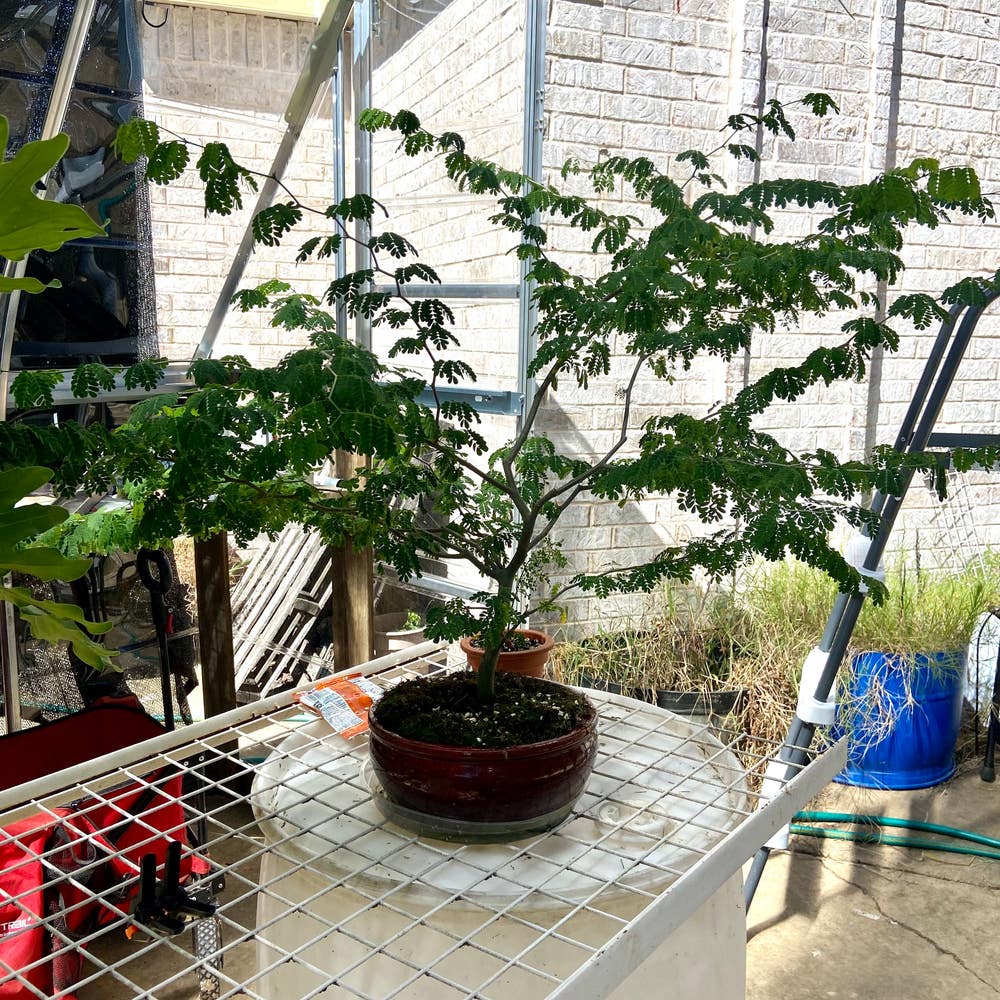
The Golden Rain Tree is easily recognizable by its compound leaves, which typically feature 5 to 15 leaflets. These leaves are lush and green, providing a vibrant backdrop for the tree's striking flowers.
In spring and summer, the tree showcases bright yellow flowers that bloom in large clusters. These eye-catching blooms create a stunning display, making the tree a popular choice for landscaping, despite its invasive nature.
The seed pods of the Golden Rain Tree are another distinctive feature. They are papery and inflated, turning brown as they mature. These pods can be quite noticeable, especially when they begin to drop seeds.
Look-Alike Plants and Distinguishing Characteristics 🌳
While the Golden Rain Tree has some look-alikes, such as other flowering trees, there are key differences to help you identify it. For instance, the Japanese Pagoda Tree has similar flowers but lacks the inflated seed pods characteristic of the Golden Rain Tree.
Another common comparison is with the Golden Chain Tree, which has similar yellow flowers but features different leaf shapes and growth habits. Knowing these distinctions can help you confidently identify the Golden Rain Tree in various settings.
Understanding these identifying features is crucial for recognizing the Golden Rain Tree and addressing its invasive spread effectively. As we move forward, we'll explore its growth habits and how it proliferates in different environments.
Growth Habits and Spread
🌱 Typical Growth Patterns
The Golden Rain Tree is notorious for its rapid growth, often reaching impressive heights of 30 to 40 feet. Its expansive canopy can spread up to 40 feet wide, creating a dense shade that can outcompete surrounding vegetation.
🌬️ Reproductive Strategies and Methods of Spread
One of the most alarming traits of the Golden Rain Tree is its prolific seed production. A single tree can produce thousands of seeds each year, which are easily dispersed by the wind, allowing them to establish in new areas quickly.
🌍 Environmental Conditions that Favor Its Growth
This invasive species thrives in a variety of soil types, showcasing remarkable adaptability. You’ll often find it flourishing in disturbed areas, such as urban environments and along roadsides, where it can quickly take root and dominate the landscape.
The Golden Rain Tree's ability to spread rapidly and establish itself in diverse conditions makes it a formidable invasive species. Understanding its growth habits is crucial for effective management and control.
Ecological Impact
🌱 Effects on Native Plant Communities
The Golden Rain Tree aggressively competes for resources, overshadowing native plants. Its rapid growth and dense canopy can choke out local flora, leading to a significant reduction in biodiversity.
🦉 Impact on Wildlife and Biodiversity
This invasive species alters habitats, making it difficult for native wildlife to thrive. Many animals depend on indigenous plants for food and shelter, and the presence of Golden Rain Tree disrupts these vital relationships.
🌊 Influence on Soil and Water Resources
Golden Rain Tree can negatively impact soil health by altering nutrient availability. Additionally, its high water usage can strain local water resources, affecting both plants and animals that rely on these ecosystems.
In summary, the ecological consequences of the Golden Rain Tree extend far beyond its immediate surroundings, affecting the very fabric of local ecosystems. Understanding these impacts is crucial for effective management and control.
Economic or Agricultural Impact
💸 Economic Losses Associated with Golden Rain Tree
The Golden Rain Tree can lead to significant economic losses, primarily due to the costs associated with its management and removal. Landowners often face hefty bills for professional removal services, which can escalate quickly, especially in heavily infested areas.
Additionally, property values may decline as the presence of this invasive species can deter potential buyers. The aesthetic appeal of a landscape diminishes when it’s overrun by invasive plants, impacting land usability and marketability.
🌾 Agricultural Issues Caused by Its Spread
In agricultural settings, the Golden Rain Tree competes aggressively with crops for nutrients, water, and sunlight. This competition can reduce agricultural productivity, leading to lower yields and increased costs for farmers.
Moreover, the tree's spread can create favorable conditions for pest populations. As it alters local habitats, it may attract pests that can further threaten crops, compounding the challenges faced by farmers.
Understanding these economic and agricultural impacts is crucial for effective management strategies. Addressing the spread of the Golden Rain Tree not only protects ecosystems but also supports local economies and agricultural viability.
As we move forward, it’s essential to explore control and management techniques that can mitigate these impacts effectively.
Control and Management
🧤 Manual Removal Techniques
Removing the Golden Rain Tree can be a hands-on approach to managing its spread. Start by identifying the tree and assessing its size; this will help you determine the best removal strategy.
Next, gather your tools: you'll need gloves, a saw, and digging tools. Proper disposal of the removed material is crucial; consider bagging it to prevent any chance of regrowth.
🧪 Chemical Control Options and Best Practices
Herbicides can be effective in controlling Golden Rain Tree populations. Look for products specifically designed to target woody plants.
Timing is key; apply herbicides during the tree's active growth phase for maximum effectiveness. Always follow label instructions for safe and efficient use.
🐞 Biological Control Methods and Their Effectiveness
Biological control agents, such as certain insects, may help manage Golden Rain Tree populations. However, their effectiveness can vary, and they often require careful monitoring.
Consider the limitations of biological control; it may not eliminate the tree entirely and should be part of a broader management strategy.
🚫 Preventive Measures to Limit Spread
Preventing seed dispersal is essential in controlling Golden Rain Tree. Strategies include removing seed pods before they mature and maintaining healthy native plant communities to outcompete the invasive species.
Healthy ecosystems are less susceptible to invasions, so focus on fostering biodiversity in your area.
👀 Importance of Early Detection and Rapid Response
Monitoring for early signs of Golden Rain Tree invasion can save you time and effort later. If you spot one in a new area, act quickly to remove it before it establishes a foothold.
Taking swift action not only protects local ecosystems but also helps maintain the beauty and balance of your environment.
Legal Status
Laws and Regulations Regarding Golden Rain Tree 🌳
The Golden Rain Tree is subject to various local, state, and federal regulations due to its invasive nature. Many regions have enacted laws that restrict its cultivation and sale, recognizing the ecological threats it poses.
These regulations often aim to prevent further spread and encourage responsible landscaping choices. It's crucial for gardeners and landscapers to be aware of these laws to avoid unintentional violations.
Requirements for Removal or Control in Specific Areas ⚖️
Land managers and homeowners must follow specific guidelines when dealing with Golden Rain Tree infestations. This includes understanding the best practices for removal and the legal obligations tied to controlling its spread.
Compliance with local regulations is essential not only for effective management but also for preserving native ecosystems. Ignoring these guidelines can lead to further ecological damage and potential legal repercussions.
As we delve deeper into the management strategies for this invasive species, understanding the legal framework will empower you to take informed actions.
Potential Benefits or Uses
🌳 Historical Uses
The Golden Rain Tree has been traditionally used in landscaping for its striking appearance and vibrant yellow flowers. In some cultures, its wood has been utilized for various purposes, reflecting its cultural significance in its native regions.
🌼 Current Beneficial Uses, If Any
While the Golden Rain Tree is occasionally planted for ornamental purposes, its invasive nature overshadows these benefits. The aesthetic appeal does not compensate for the ecological damage it causes in local environments.
⚠️ Emphasis on Negative Impacts Outweighing Benefits
The ecological and economic consequences of the Golden Rain Tree are substantial. Its rapid spread disrupts native ecosystems and diminishes biodiversity, making responsible management and control essential for preserving local habitats.
⚠️ Safety First
This content is for general information and may contain errors, omissions, or outdated details. It is not medical, veterinary advice, or an endorsement of therapeutic claims.
Always consult a qualified healthcare professional before using any plant as food, medicine, or supplement.
Never eat any plant (or feed one to pets) without confirming its identity with at least two trusted sources.
If you suspect poisoning, call Poison Control (800) 222-1222, the Pet Poison Helpline (800) 213-6680, or your local emergency service immediately.
Spotted an error? Please report it here.
Protect your local ecosystems from the invasive Golden Rain Tree 🌳 by using Greg's plant identification and management tips to ensure a thriving biodiversity in your area!