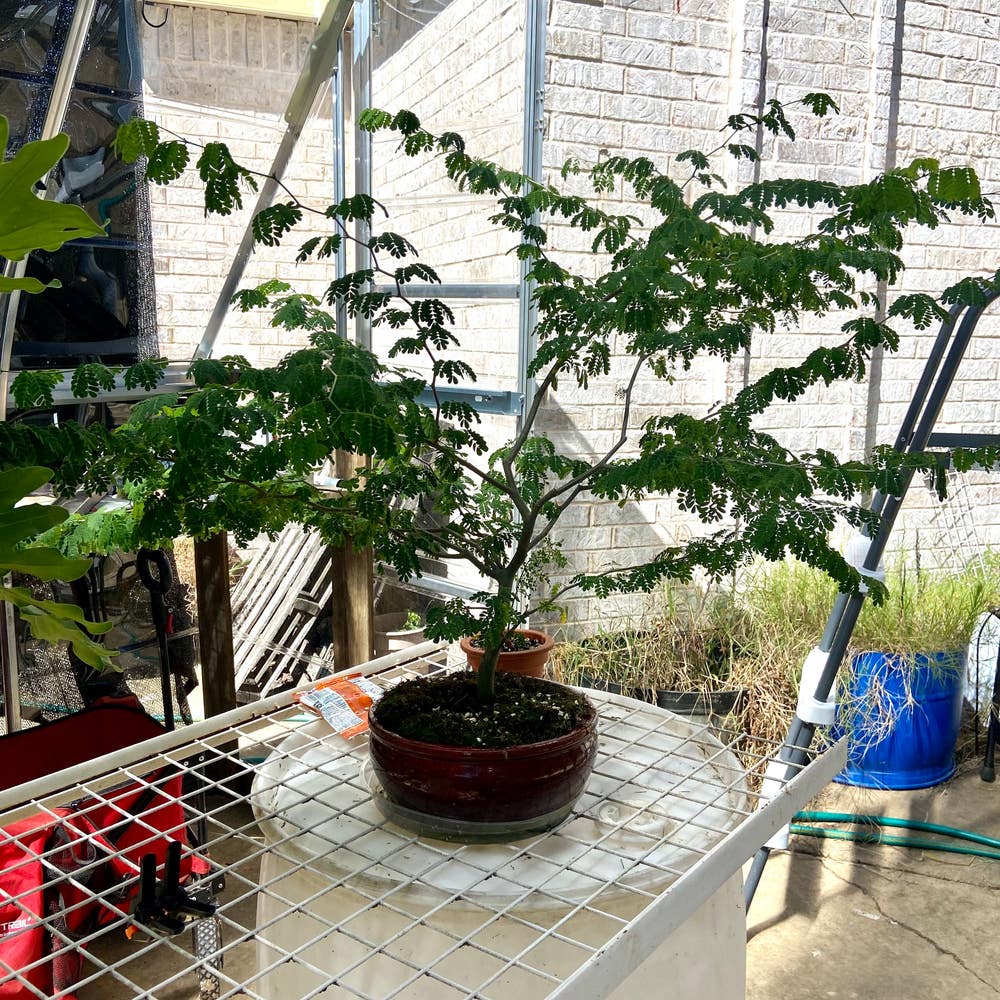
Why Are My Golden Rain Tree Leaves Curling?
Koelreuteria paniculata
By the Greg Editorial Team
Feb 12, 2024•3 min read
This article was created with the help of AI so we can cover more plants for you. May contain errors. See one? Report it here.
Unravel the mystery of curling Golden Rain Tree leaves and reclaim their splendor 🍂🔍!
- 🌡️ Extreme weather stresses trees, causing leaves to curl. Provide shade and protection.
- 🐞 Aphids and spider mites lead to curling. Control with inspections and organic pesticides.
- 🍂 Fungal diseases and nutrient deficiencies can curl leaves. Use fungicides and balanced fertilizer.
Spotting the Culprits: Common Causes of Leaf Curling
🌦️ Environmental Factors
Extreme weather doesn't just ruin your hairdo; it wreaks havoc on your Golden Rain Tree leaves too. Heat waves and frost bites can stress your tree out, causing leaves to curl like a bad perm.
Quick fixes? Shield your tree from the sun's relentless glare with shade cloths and ensure it's not shivering in the cold by providing some protection during frosty nights.
🐛 Pesky Pests
Aphids and spider mites are the party crashers in your Golden Rain Tree's life, sucking the joy out of leaves until they curl up in distress.
To win this battle, think like a ninja. Inspect regularly and deploy organic pesticides or introduce natural predators like ladybugs to kick those pests to the curb.
🍄 Fungal Foes and Diseases
When leaves curl and distort, it's like your tree is trying to signal you in Morse code that something's wrong. Fungal diseases like powdery mildew are often the culprits, turning your tree's leaves into a sad, crumpled mess.
Combat these villains by removing infected leaves with sterilized tools and applying the right fungicides. Remember, reading the label is crucial – it's the difference between a remedy and a recipe for disaster.
Nourishment Know-How: Addressing Nutrient Deficiencies
🌱 The Signs of Starvation
Yellowing leaves are shouting for nitrogen. Stunted growth and lifeless leaves may be a silent plea for potassium and phosphorus. It's like your tree is holding a protest sign, and the message is clear: feed me or watch me wither.
🌳 Feeding Your Golden Rain Tree
Soil testing is the detective work needed before you play the hero with fertilizer. It's like a wellness check-up for your tree's underground world. Once you've got the dirt on your soil, it's time to supplement. A balanced fertilizer is your tree's best friend, but remember, moderation is key. Over-fertilization is the equivalent of force-feeding; it can burn roots and throw the nutrient game off balance.
Proactive Plant Parenting: Preventing Leaf Curl
🏥 Regular Health Check-ups
Keeping your Golden Rain Tree in tip-top shape requires vigilance. Like a regular health check-up, inspect your tree often for early signs of trouble. Discoloration, strange patterns, and the dreaded leaf curl should trigger your inner plant medic. It's about catching issues early, like spotting a typo before hitting send on an important email.
🍽️ The Balanced Diet Approach
A well-fed tree is a happy tree. Nutrient deficiencies are a no-go if you want to avoid leaf curl. Get your soil tested to know exactly what your tree is missing. Then, supplement with the necessary nutrients to ensure your Golden Rain Tree doesn't go hungry. Think of it as meal prepping for your plant's needs—essential for growth and leaf flatness.
🦠 Integrated Pest and Disease Management
Combine your plant care strategies like a master chef blends flavors. Use cultural, biological, and chemical controls in an Integrated Pest Management (IPM) approach. It's a strategic battle plan for your tree's health, minimizing risks while maximizing growth. Regularly wipe down leaves, prune away any dead or dying foliage, and be ready to act fast against any pests or diseases. Remember, cleanliness is next to godliness in the plant world.
⚠️ Safety First
This content is for general information and may contain errors, omissions, or outdated details. It is not medical, veterinary advice, or an endorsement of therapeutic claims.
Always consult a qualified healthcare professional before using any plant as food, medicine, or supplement.
Never eat any plant (or feed one to pets) without confirming its identity with at least two trusted sources.
If you suspect poisoning, call Poison Control (800) 222-1222, the Pet Poison Helpline (800) 213-6680, or your local emergency service immediately.
Spotted an error? Please report it here.
Combat leaf curling in your Golden Rain Tree with Greg's PlantVision 🕵️♂️ to detect pests and get custom care reminders based on your tree's unique environment from this insightful guide.