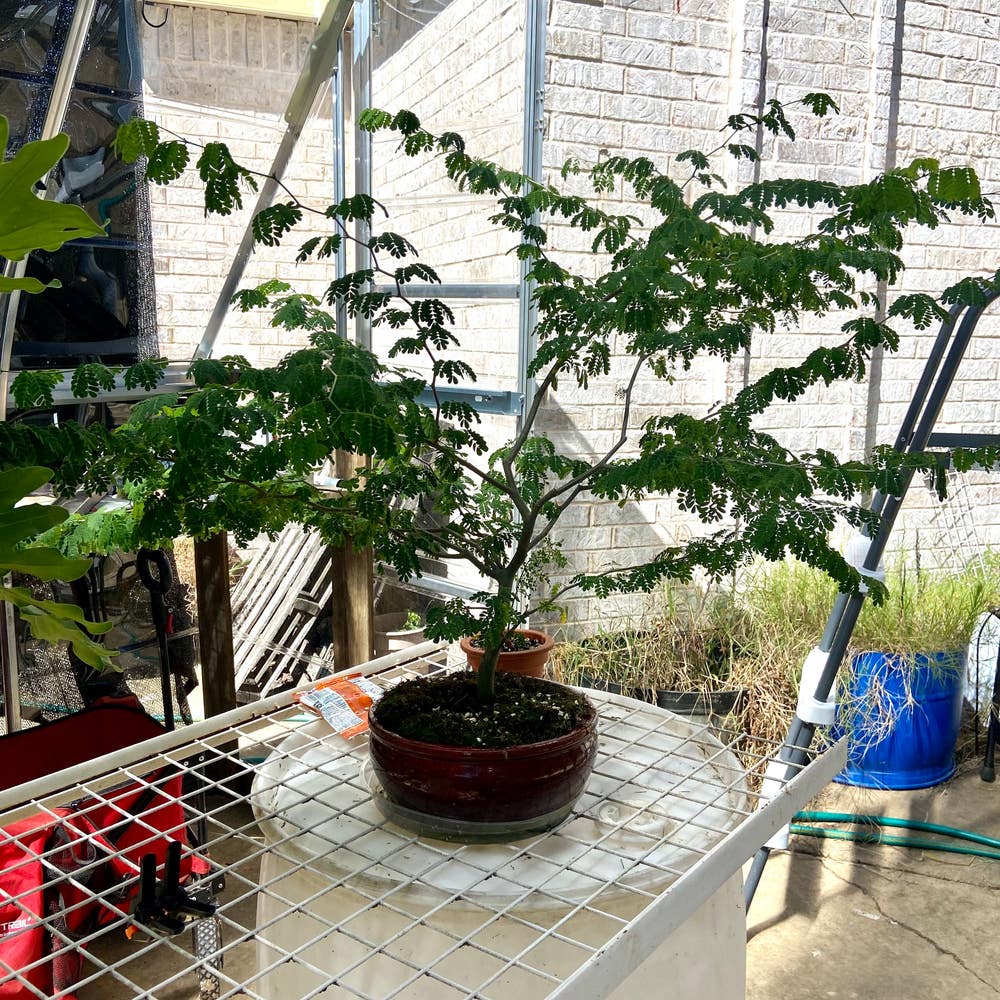
Why Are There Brown Spots on My Golden Rain Tree Leaves?
Koelreuteria paniculata
By the Greg Editorial Team
Feb 12, 2024•5 min read
This article was created with the help of AI so we can cover more plants for you. May contain errors. See one? Report it here.
Safeguard your Golden Rain Tree's splendor 🍂 by tackling those worrisome brown spots with our guide.
- Fungal and bacterial infections often cause brown spots; good air circulation helps.
- Environmental stress like sun or drought can increase susceptibility to spots.
- Prevent spread with proper watering, pruning, and regular tree inspections.
Spotting the Trouble: Recognizing Brown Spots
🍂 Visual Symptoms
Golden Rain Tree owners, take note: brown spots on your tree's leaves are more than just blemishes. They can appear as dry patches or wet lesions, sometimes with a yellow halo that's a clear sign of distress. The spots might be small as pinpricks or as large as coins, and their location—whether on the leaf's edge or center—is a vital clue to the underlying issue.
📈 Progression Patterns
The evolution of these spots is a story you don't want to unfold. Initially, they may seem harmless, but without action, they can spread across the foliage. A single spot can be the opening act to a full-blown leaf crisis. Watch for patterns: if new leaves are hit first or if the spots are forming a regimented pattern, it's time to play plant detective. A rapid spread is your cue for urgent intervention.
The Usual Suspects: Common Causes of Brown Spots
🍄 Fungal Foes
Fungi are the uninvited guests at the Golden Rain Tree's leafy soiree. Anthracnose and leaf spot diseases are the main culprits, thriving in the tree's personal space when it's damp and cozy. These fungi leave a calling card of brown spots, often encircled by a yellow halo, like a bullseye on your tree's foliage. To keep these party crashers at bay, air circulation is key—think of it as the bouncer that keeps the fungi from dancing on the leaves.
🦠 Bacterial Baddies
Bacteria are the sneaky crashers, slipping in through the smallest of wounds. They love a moist environment as much as fungi do, maybe even more. Spots with a yellow or red edge are their graffiti, tagging the leaves with their presence. Overwatering and poor drainage? That's like sending them an engraved invitation. To kick them out, you might need to bring in the heavy hitters: copper-containing compounds.
🌿 Environmental Stress Signals
Environmental factors are the silent players in the brown spot drama. Too much sun can scorch the leaves, leaving behind brown patches like a bad sunburn. Temperature swings and drought are no friends either. They stress out the tree, making it more vulnerable to those fungal and bacterial gatecrashers. It's a delicate balance—like trying to keep your cool when someone cuts the line at your favorite coffee shop.
Battling Brown Spots: Treatment Strategies
🍄 Combating Fungal and Bacterial Infections
Fungal invaders on your Golden Rain Tree require swift action. Fungicides are the go-to remedy, but use them judiciously. Rotate products to avoid resistance and always follow the label like it's the law. For bacterial woes, copper-based treatments are your best bet. Think of them as the plant world's antibiotics—effective but not to be overused.
Remove infected leaves immediately and sterilize your tools with a bleach solution (1 part bleach to 9 parts water) or rubbing alcohol. It's like a reset button for your plant's health.
🌡️ Adjusting Environmental Factors
Watering practices need a Goldilocks approach—not too much, not too little. Ensure the soil is well-draining and that pots aren't oversized, which can lead to waterlogged roots. Airflow is crucial; good circulation can prevent a host of issues. If your plant could talk, avoiding extreme temperatures and ensuring proper air circulation would be its plea for a comfortable life.
Keep leaves dry to sidestep bacterial infections. It's simple: wet leaves are a breeding ground for trouble. And remember, a well-fed plant is a strong plant. Fertilize adequately to bolster your tree's defenses against invaders.
Prevention is Key: Keeping Brown Spots at Bay
🌱 Cultural Best Practices
Pruning isn't just a chore; it's your strategic move against the spread of disease. Snip off the brown spot-afflicted areas with tools that are more sterile than a surgeon's scalpel. It's like cutting the wires on a ticking time bomb.
Location matters. Your Golden Rain Tree craves that sweet spot where the morning sun gently caresses its leaves, yet it's shielded from the scorching afternoon rays. This isn't just about finding a picturesque spot; it's about strategic placement to ward off brown spots.
Watering should mimic a light rain, not a monsoon. Your tree doesn't need a bath, just enough to quench its thirst. Ensure the soil is well-draining, and the pot size is just right to avoid the dreaded swamp effect.
Fertilization is like seasoning food; too much and you ruin the meal. Stick to a balanced diet for your tree, and only during its growing season. Overfeeding is a one-way ticket to trouble town.
🕵️ Monitoring and Early Intervention
Regular inspections are non-negotiable. Catching brown spots early is like spotting a typo before you hit send—it saves you from a world of regret.
Cleanliness is next to godliness when it comes to your gardening tools. Dirty tools are a big nope—sterilize before you slice. It's the difference between eating with washed and unwashed hands—obvious which is better, right?
Pest management is crucial. A stressed plant is a pest magnet. Keep your tree robust by ensuring it lives in optimal environmental conditions: bright, indirect light and consistent temperatures.
By staying vigilant and employing these strategies, you can keep your Golden Rain Tree's leaves spotless and healthy. It's all about balance—too much of anything, whether it's love, water, or pesticides, can tip the scales.
⚠️ Safety First
This content is for general information and may contain errors, omissions, or outdated details. It is not medical, veterinary advice, or an endorsement of therapeutic claims.
Always consult a qualified healthcare professional before using any plant as food, medicine, or supplement.
Never eat any plant (or feed one to pets) without confirming its identity with at least two trusted sources.
If you suspect poisoning, call Poison Control (800) 222-1222, the Pet Poison Helpline (800) 213-6680, or your local emergency service immediately.
Spotted an error? Please report it here.
Eradicate those brown spots 🍂 on your Golden Rain Tree by using Greg to balance your tree care, ensuring a healthy, spot-free canopy.