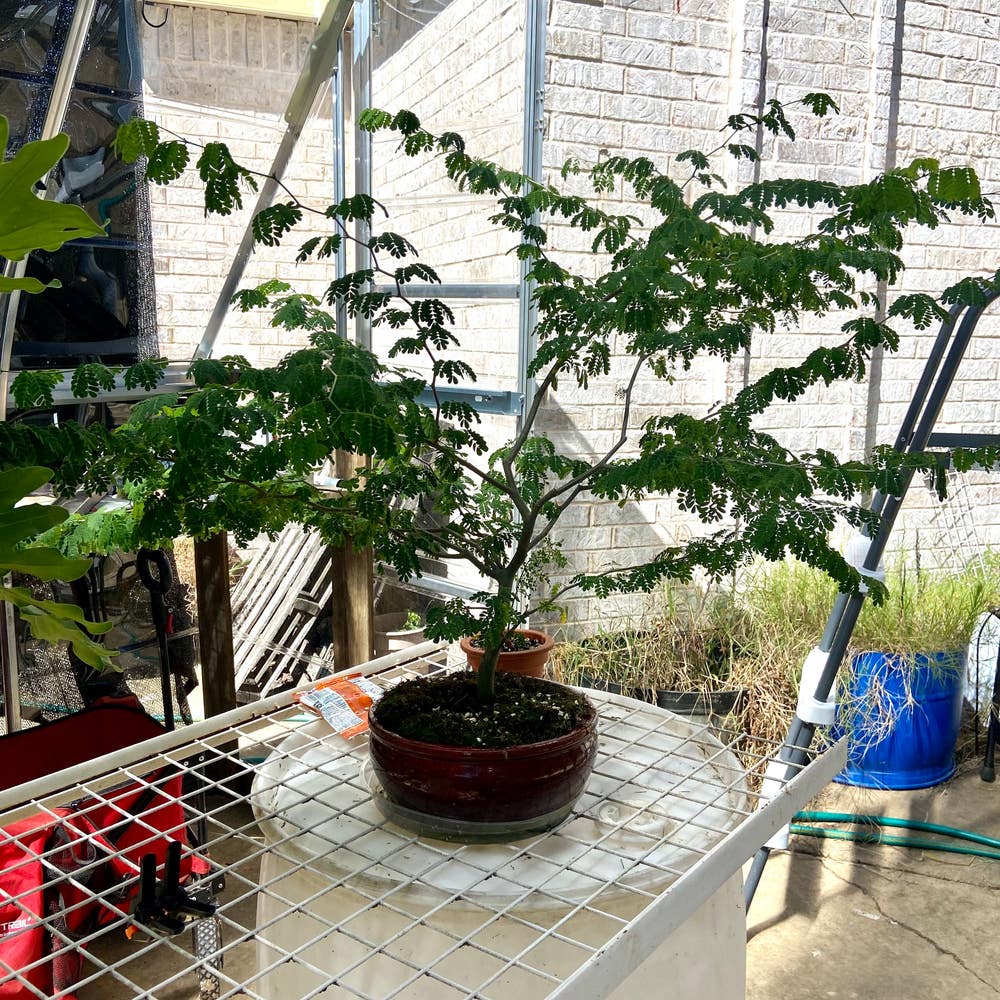
🌳 Controlling Golden Rain Tree Height and Width
Koelreuteria paniculata
By the Greg Editorial Team
Oct 09, 2024•6 min read
This article was created with the help of AI so we can cover more plants for you. May contain errors. See one? Report it here.
Elevate your landscape with the Golden Rain Tree 🌳—a fast-growing gem that thrives with the right care and conditions!
- 🌳 Golden Rain Trees grow 30-40 feet tall and 25-35 feet wide, providing ample shade.
- 🌞 Full sun and well-draining soil are essential for optimal growth and health.
- ✂️ Regular pruning controls size and shape, best done in late winter or early spring.
Mature Height and Spread
Typical Mature Dimensions 🌳
The Golden Rain Tree typically reaches a mature height of 30 to 40 feet when conditions are optimal. Its spread ranges from 25 to 35 feet, creating a generous canopy that provides ample shade.
Growth Rate and Time to Maturity ⏳
This tree boasts a fast growth rate, often achieving its full size within 10 to 15 years. Several factors influence this growth, including soil quality, sunlight exposure, and water availability.
Understanding these dimensions and growth patterns is crucial for anyone considering adding a Golden Rain Tree to their landscape. With the right conditions, this tree can thrive and become a stunning focal point in your garden.
Next, let’s explore how various environmental factors can impact the size of your Golden Rain Tree.
Size Variability Based on Conditions
🌍 Environmental Impact on Size
Soil conditions play a crucial role in the growth of Golden Rain Trees. Well-draining, fertile soils encourage optimal growth, allowing these trees to reach their full potential.
In contrast, poor soil quality can stunt growth and significantly reduce mature dimensions. If the soil lacks nutrients or drainage, you might find your tree struggling to thrive.
☀️ Sunlight Requirements
Sunlight is another key factor influencing size. Golden Rain Trees flourish in full sun, requiring 6-8 hours of direct sunlight daily to achieve maximum height and spread.
When planted in partial shade, these trees may experience reduced growth, resulting in smaller dimensions. If you want a robust tree, ensure it gets plenty of sunlight.
💧 Watering Practices
Watering practices are essential for maintaining healthy growth. Consistent moisture helps the Golden Rain Tree thrive and reach its desired size.
However, both overwatering and drought conditions can lead to size variability. Striking the right balance is crucial for optimal growth and development.
Understanding these factors will help you create the ideal environment for your Golden Rain Tree, ensuring it reaches its full potential. Next, we'll explore the various types of Golden Rain Trees and their unique characteristics.
Varieties of Golden Rain Tree
🌱 Dwarf Varieties
Dwarf Golden Rain Trees are perfect for those with limited space. Typically reaching heights of just 10-15 feet, they fit seamlessly into smaller landscapes or urban settings.
These compact trees still offer beautiful blooms and vibrant foliage, making them a charming addition to patios or small gardens. Their manageable size allows for easy maintenance while providing a splash of color.
🌳 Giant Varieties
On the other end of the spectrum, giant varieties of Golden Rain Trees can soar beyond 40 feet. These majestic trees serve as stunning focal points in larger landscapes.
Their expansive canopy provides ample shade, making them ideal for parks or spacious yards. If you're looking to make a statement, a giant Golden Rain Tree is a fantastic choice.
Understanding the differences between dwarf and giant varieties helps in selecting the right tree for your space. Whether you're aiming for a cozy nook or a grand centerpiece, there's a Golden Rain Tree variety to fit your vision.
Next, let’s explore how to control the size of these trees to ensure they thrive in your landscape.
Controlling Size
Pruning Techniques 🌳
Pruning is essential for controlling the size of your Golden Rain Tree. Regular pruning helps maintain the desired height and spread, ensuring your tree fits well within your landscape.
To effectively manage size, consider using thinning cuts. These cuts reduce density and promote better air circulation, which is vital for the tree's health. Heading cuts are another technique that can help control height, allowing you to shape the tree as needed.
Seasonal Considerations for Pruning 🗓️
Timing is everything when it comes to pruning. The best times to prune your Golden Rain Tree are late winter or early spring, just before new growth begins. This timing minimizes stress on the tree and encourages robust growth.
Avoid pruning in late summer, as this can lead to unnecessary stress and hinder the tree's overall health. Keeping an eye on the seasons will help you maintain a vibrant and well-shaped tree.
Other Size Control Methods 📏
In addition to pruning, there are other methods to control the size of your Golden Rain Tree. Using growth regulators can effectively manage height, allowing for a more tailored approach to your landscape design.
Strategic planting in confined spaces is another effective technique. By placing your tree in a limited area, you can naturally restrict its spread, ensuring it complements rather than overwhelms your garden.
These methods, combined with proper pruning, will help you maintain a beautiful and manageable Golden Rain Tree in your landscape. As you consider these techniques, think about how they can enhance your overall design and the health of your garden.
Next, let’s explore how to integrate size control into your landscape design effectively.
Landscape Considerations
🌳 Integrating Size Control in Landscape Design
When planning your landscape, understanding the mature dimensions of the Golden Rain Tree is crucial. This tree can reach impressive heights and spreads, so selecting the right planting location is key to maintaining a harmonious garden.
Consider the tree's mature height of 30-40 feet and spread of 25-35 feet. Ensure there's ample space for it to thrive without overshadowing smaller plants or structures.
📍 Tips for Selecting Appropriate Planting Locations
- Assess Space: Choose areas where the tree can grow without interference from buildings or other plants.
- Consider Sunlight: Ensure the location receives full sun for optimal growth.
- Plan for Growth: Think ahead about how the tree's size will impact the surrounding landscape over time.
🌱 Impact of Size on Surrounding Plants
The size of the Golden Rain Tree can significantly affect neighboring plants. Understanding these impacts can help you create a balanced ecosystem in your garden.
Shade Considerations
As the tree matures, its canopy can cast considerable shade. This can be beneficial for shade-loving plants but detrimental for sun-loving varieties.
Root Competition
Golden Rain Trees have extensive root systems that can compete with nearby vegetation for nutrients and water. Be mindful of this when planting other species nearby to ensure they have enough resources to thrive.
By considering these factors, you can create a landscape that not only accommodates the Golden Rain Tree but also enhances the overall beauty and health of your garden.
Next, let’s explore the various varieties of Golden Rain Tree and how they can fit into your landscape plans.
⚠️ Safety First
This content is for general information and may contain errors, omissions, or outdated details. It is not medical, veterinary advice, or an endorsement of therapeutic claims.
Always consult a qualified healthcare professional before using any plant as food, medicine, or supplement.
Never eat any plant (or feed one to pets) without confirming its identity with at least two trusted sources.
If you suspect poisoning, call Poison Control (800) 222-1222, the Pet Poison Helpline (800) 213-6680, or your local emergency service immediately.
Spotted an error? Please report it here.
Control your Golden Rain Tree's growth and enhance your garden's beauty 🌳 with Greg's tailored care reminders and expert pruning tips for thriving trees!