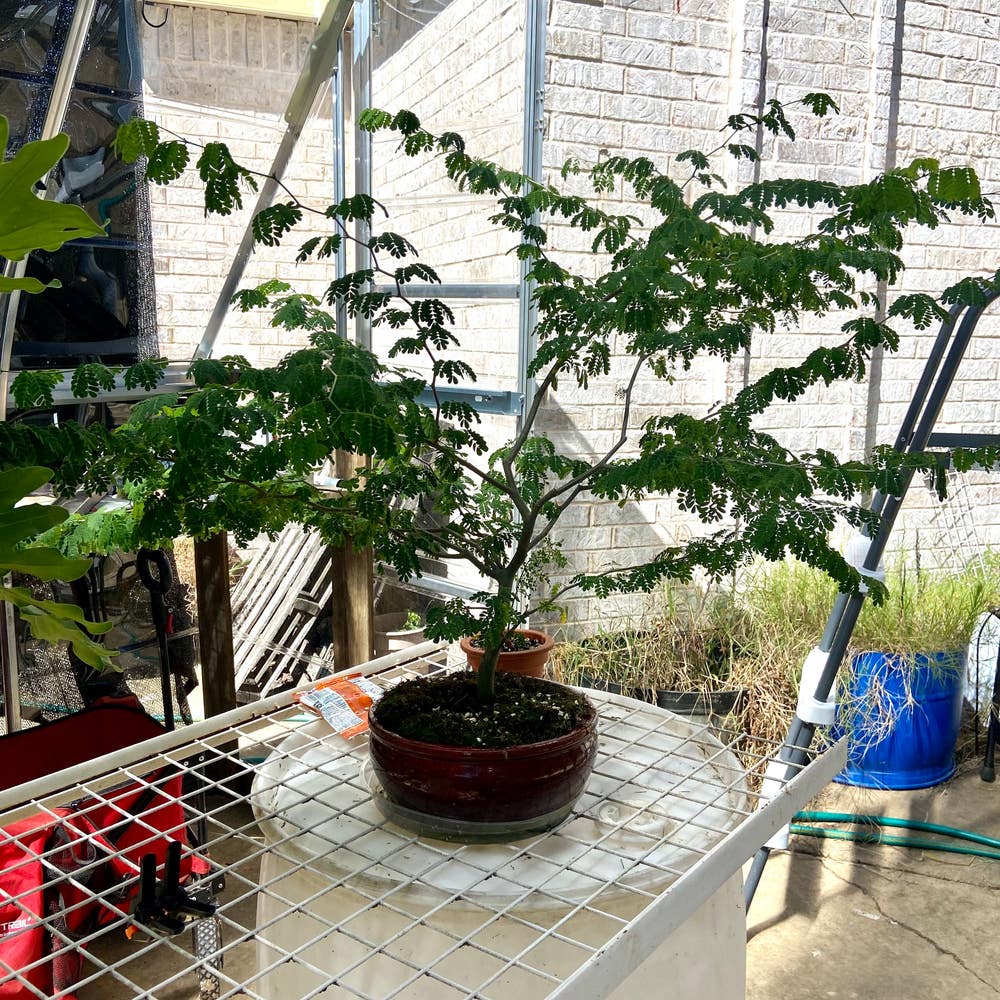
Ultimate Guide to Fixing Droopy Leaves on Golden Raintree 💧
Koelreuteria paniculata
By the Greg Editorial Team
Oct 20, 2024•6 min read
This article was created with the help of AI so we can cover more plants for you. May contain errors. See one? Report it here.
Revive your droopy Golden Raintree 🌳 with essential tips on watering, nutrients, and pest control for vibrant health!
- 💧 Overwatering and underwatering are primary causes of droopy leaves on Golden Raintrees.
- 🌱 Nutrient deficiencies like nitrogen and potassium lead to pale leaves and browning edges.
- 🌡️ Environmental stress from temperature changes can negatively impact your tree's health.
Causes of Droopy Leaves
💧 Overwatering and Root Rot
Overwatering is a common culprit behind droopy leaves. Symptoms include yellowing leaves, mushy roots, and a foul smell emanating from the soil.
Root rot occurs when fungal infections thrive in waterlogged conditions, leading to root decay. This condition can severely affect the health of your Golden Raintree.
🌵 Underwatering and Drought Stress
On the flip side, underwatering can also cause droopy leaves. Signs include crispy leaf edges, wilting, and dry soil.
Drought stress results from insufficient water uptake, which directly leads to droopy leaves. It's crucial to find a balance in your watering routine.
🥦 Nutrient Deficiencies
Nitrogen Deficiency
A nitrogen deficiency manifests as pale green leaves and stunted growth. Nitrogen is essential for leaf development and overall tree health.
Without adequate nitrogen, your Golden Raintree may struggle to thrive.
Potassium Deficiency
Potassium deficiency shows up as browning leaf edges and poor fruit or flower production. This nutrient plays a vital role in water regulation and disease resistance.
A lack of potassium can weaken your tree, making it more susceptible to stress.
🌪️ Environmental Stress
Temperature Fluctuations
Golden Raintrees prefer a temperature range of 20°C to 30°C (68°F to 86°F). Extreme temperatures can cause stress, leading to droopy leaves.
Maintaining a stable environment is key to keeping your tree healthy.
Humidity Levels
These trees thrive in moderate to high humidity. Low humidity can cause leaf droop and stress, impacting overall vitality.
Consider misting your tree or using a humidifier in dry conditions.
🐜 Pest Infestations
Aphids
Aphids leave a sticky residue on leaves and can cause curling. Their presence weakens the tree, contributing to droopy leaves.
Regular monitoring can help catch these pests early.
Spider Mites
Look for fine webbing and stippled leaves as signs of spider mites. These pests reduce photosynthesis, which can lead to droopiness.
Taking action promptly is essential to prevent further damage.
🌱 Soil Quality and Drainage Issues
Well-drained soil is crucial for preventing waterlogging and promoting healthy root systems. Signs of poor drainage include puddles forming around the base and slow water absorption.
Improving soil quality can make a significant difference in your tree's health.
Understanding these causes is the first step in addressing droopy leaves. Next, we’ll explore how to diagnose the specific issues affecting your Golden Raintree.
Diagnosing Droopy Leaves
👀 Visual Signs to Look For
When diagnosing droopy leaves, start by examining the leaf color. Yellowing or browning leaves can indicate specific issues, such as overwatering or nutrient deficiencies.
Next, consider the leaf texture. Wilting or crispy leaves signal stress, which can stem from various environmental factors.
💧 Soil Moisture Testing
Soil moisture testing is crucial for understanding your tree's needs. You can use a moisture meter or perform a finger test by inserting your finger 1-2 inches deep into the soil.
The ideal moisture level is when the soil feels moist but not soggy. This balance is key to preventing root rot and ensuring healthy growth.
🎨 Leaf Color Changes and Their Meanings
Leaf color changes provide valuable insights into your tree's health. Green leaves indicate a healthy condition, while yellow leaves may suggest overwatering or a nutrient deficiency.
Brown edges on leaves typically indicate underwatering or nutrient deficiency. Recognizing these signs early can help you take corrective action.
🌍 Assessing Environmental Conditions
Environmental conditions play a significant role in leaf health. Ensure your Golden Raintree receives full sun to partial shade for optimal growth.
Additionally, check temperature and humidity levels. Using a thermometer and hygrometer can help you monitor these factors, ensuring your tree thrives in its environment.
Understanding these diagnostic signs will empower you to address droopy leaves effectively. With the right observations and adjustments, you can restore your tree's vitality and beauty.
Solutions for Droopy Leaves
🌊 Adjusting Watering Practices
To revive your Golden Raintree, start by adjusting your watering schedule. Water deeply but infrequently, allowing the soil to dry out between sessions.
Look for signs of proper watering: the soil should feel moist but not soggy. This balance is crucial for healthy roots.
🏞️ Improving Soil Drainage
Next, focus on soil drainage. Amend your soil with organic matter or sand to enhance drainage capabilities.
Good drainage is vital; it prevents root rot and promotes healthy growth. Without it, your tree may struggle to thrive.
🌱 Fertilization Techniques for Recovery
Fertilization can also play a key role in recovery. Use balanced NPK fertilizers or slow-release options to nourish your tree.
Timing matters; fertilize during the growing season and follow the package instructions for best results. This will help your tree regain its vigor.
🐛 Pest Control Methods
Don’t overlook pest control. Organic options like neem oil and insecticidal soap are effective against aphids and spider mites.
Regular monitoring is essential. Check for signs of pests and take action promptly to prevent further damage.
🌤️ Environmental Adjustments
Lastly, consider environmental adjustments. During extreme heat, provide shade using shade cloth to protect your tree.
For humidity, mist the leaves or use a humidifier in dry conditions. These small changes can make a significant difference in your tree's health.
By implementing these solutions, you can help your Golden Raintree bounce back from droopy leaves and thrive once again. Next, let’s explore preventative measures to keep your tree healthy in the long run.
Preventative Measures
Regular Monitoring of Soil Moisture 🌧️
Checking soil moisture weekly is essential, especially during dry spells. Use moisture meters or a simple finger test to ensure your Golden Raintree is getting the right amount of water.
Seasonal Care Tips 🌸
Spring: Fertilize and prune to encourage robust growth.
Summer: Keep an eye out for pests and adjust your watering schedule as needed.
Fall: Prepare for winter by reducing watering to prevent root rot.
Proper Planting Techniques 🌱
When planting, ensure the root ball is level with the soil surface. Using well-draining soil is crucial to prevent future moisture issues.
Pruning and Maintenance Practices ✂️
Regularly remove dead or damaged branches to improve air circulation. Aim to prune during the dormant season to minimize stress on your tree.
By implementing these preventative measures, you can maintain the health of your Golden Raintree and reduce the risk of droopy leaves. Next, let’s explore when it’s time to seek professional help for your tree.
When to Seek Professional Help
Signs That Indicate Severe Issues 🌪️
If your Golden Raintree shows persistent droopiness despite your best care efforts, it’s time to take a closer look. Extensive leaf discoloration or loss can signal deeper problems that need professional attention.
Consulting with an Arborist 🌳
Consulting an arborist can provide a professional assessment of your tree's health. They offer tailored solutions that DIY methods might miss, especially if pests or diseases are suspected.
Understanding When DIY Solutions Are Insufficient 🚫
Be alert for indicators of severe root damage or extensive pest infestations. If you notice disease symptoms, timely intervention is crucial to prevent further decline and potential loss of your cherished tree.
As you navigate these challenges, remember that seeking help can often be the best way to ensure your Golden Raintree thrives. Next, let’s explore preventative measures to keep your tree healthy and vibrant.
⚠️ Safety First
This content is for general information and may contain errors, omissions, or outdated details. It is not medical, veterinary advice, or an endorsement of therapeutic claims.
Always consult a qualified healthcare professional before using any plant as food, medicine, or supplement.
Never eat any plant (or feed one to pets) without confirming its identity with at least two trusted sources.
If you suspect poisoning, call Poison Control (800) 222-1222, the Pet Poison Helpline (800) 213-6680, or your local emergency service immediately.
Spotted an error? Please report it here.
Revive your Golden Raintree and keep it thriving 🌿 with Greg's tailored watering reminders and expert care tips to prevent droopy leaves and ensure a healthy, vibrant tree!