🌳 4 Key Aspects of Golden Raintree Size
Koelreuteria paniculata
By the Greg Editorial Team
Oct 18, 2024•5 min read
This article was created with the help of AI so we can cover more plants for you. May contain errors. See one? Report it here.
Unlock the beauty of your garden with the fast-growing Golden Raintree 🌳—perfect for creating stunning landscapes!
- 🌳 Golden Raintrees grow 30-40 feet tall; dwarf varieties reach only 10-15 feet.
- ☀️ Full sun and rich soil are essential for optimal growth and size.
- ✂️ Regular pruning helps manage size and promotes healthy growth.
Mature Height and Spread
🌳 Typical Mature Dimensions
The Golden Raintree typically reaches a mature height of 30 to 40 feet under optimal conditions. Its spread can range from 25 to 35 feet, making it a substantial presence in any landscape.
📏 Factors Influencing Height and Spread
Several factors can influence the growth of the Golden Raintree. Environmental conditions play a significant role, as trees may vary in size based on their surroundings.
Soil quality and type are crucial for overall size. Rich, well-draining soil promotes healthier growth, while poor soil can stunt development.
Local climate conditions also impact growth potential. Trees in warmer, sunnier areas often thrive better than those in cooler, shaded environments.
Understanding these factors can help you create the ideal conditions for your Golden Raintree to flourish. With the right care, you can enjoy its impressive height and spread for years to come.
Growth Rate and Time to Maturity
Growth Rate 🌱
Golden Raintrees exhibit a moderate to fast growth rate, typically reaching their full size within 10 to 15 years. This growth rate is impressive when compared to other tree species in similar environments, making them a popular choice for quick landscaping solutions.
Timeframe for Maturity ⏳
On average, Golden Raintrees achieve their mature height in the same 10 to 15-year timeframe. However, several factors can influence this growth rate, including soil quality, watering practices, and local climate conditions.
Factors Influencing Growth 🌍
- Soil Quality: Rich, well-draining soil promotes faster growth.
- Watering Practices: Consistent irrigation can significantly enhance growth rates.
- Climate Conditions: Warmer climates generally support quicker maturation.
Understanding these factors can help you optimize the growth of your Golden Raintree, ensuring it thrives in your landscape. With the right conditions, you can enjoy the beauty of this tree in no time.
As we delve deeper into the size variability based on conditions, you'll discover how different environments can shape the growth of your Golden Raintree.
Size Variability Based on Conditions
🌍 Environmental Influences
Soil quality and type play a crucial role in the growth of Golden Raintrees. Rich, well-draining soils promote healthier growth, while compacted or poor-quality soils can stunt their development.
Sunlight exposure is another key factor. Golden Raintrees thrive in full sun, requiring at least six hours of direct sunlight daily to reach their maximum size.
Watering practices significantly impact growth rate and overall size. Consistent irrigation, especially during dry spells, helps maintain robust growth and lush foliage.
📏 Size Variability in Different Locations
Urban planting presents unique challenges and opportunities for Golden Raintrees. City environments can limit growth due to restricted root space and pollution, but they can also enhance growth with proper care and maintenance.
When considering landscape use, adapting the size of Golden Raintrees to fit specific needs is essential. Whether for shade, aesthetics, or privacy, understanding how environmental conditions affect size will ensure a successful planting experience.
As we explore the varieties of Golden Raintree next, you'll discover how different types can cater to various landscape requirements.
Varieties of Golden Raintree
🌱 Dwarf Varieties
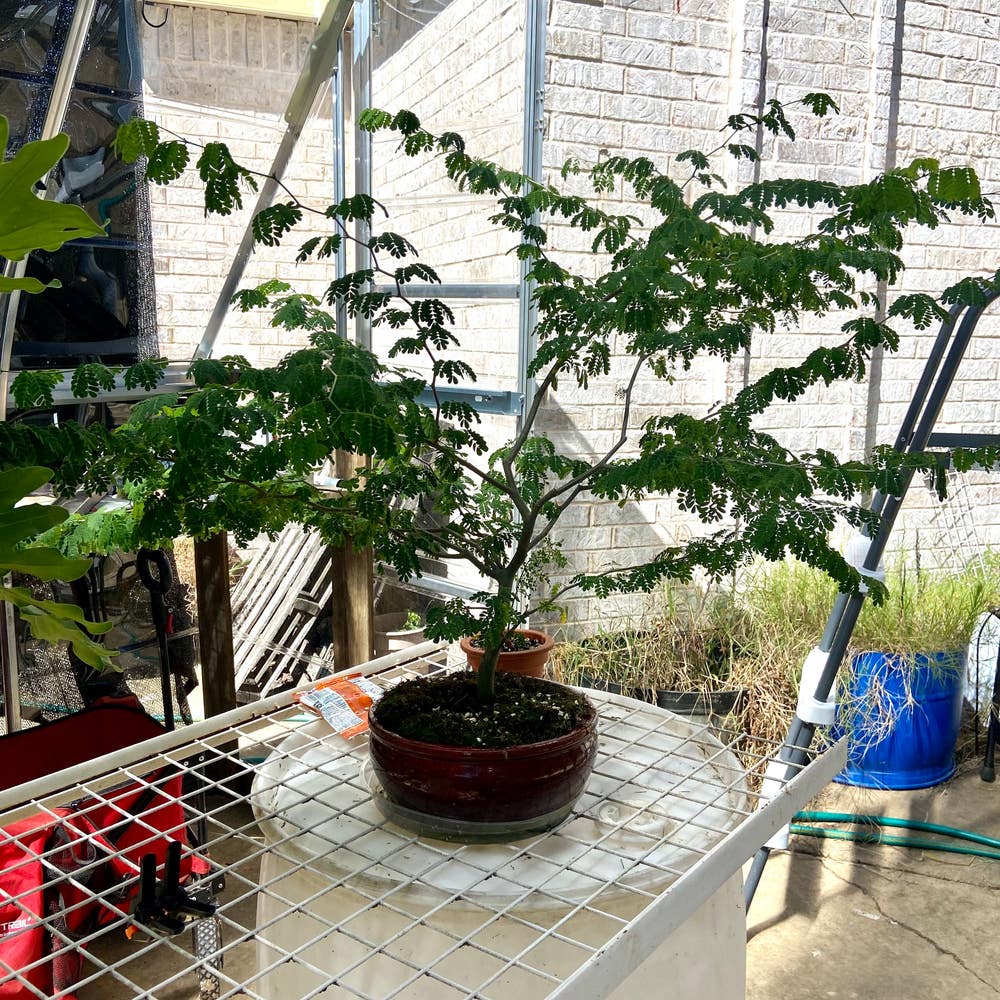
Dwarf Golden Raintrees are a fantastic option for smaller spaces, typically reaching heights of 10-15 feet. These compact trees thrive in well-drained soil and require full sunlight to flourish.
They are perfect for gardens where space is limited but beauty is still desired. Their vibrant yellow flowers and unique foliage add charm without overwhelming the landscape.
🌳 Giant Varieties
On the other end of the spectrum, giant Golden Raintrees can exceed 50 feet in ideal conditions. These majestic trees require ample space and specific care to achieve their full potential.
To support their growth, ensure they have rich, well-drained soil and plenty of sunlight. Regular watering, especially during dry spells, will also help them thrive and reach impressive heights.
Understanding the differences between dwarf and giant varieties allows you to choose the right fit for your landscape. Whether you're looking to maximize space or create a stunning focal point, Golden Raintrees offer versatile options for any garden.
As we explore further, let’s dive into how to control the size of these beautiful trees.
Controlling Size
✂️ Pruning Techniques
Managing the size of your Golden Raintree starts with effective pruning. Aim to prune during late winter or early spring before new growth begins, ensuring minimal stress on the tree.
Regular pruning every few years helps maintain a desirable shape and size. Focus on removing dead or crowded branches to promote healthy growth and air circulation.
📏 Other Size Control Methods
In addition to pruning, consider using growth regulators or fertilizers. These can help influence the tree's growth rate, allowing for better size management.
Planting location also plays a crucial role in controlling size. Choose a spot that limits space for growth, such as near a fence or wall, to naturally restrict the tree's expansion.
Understanding these techniques will empower you to cultivate a Golden Raintree that fits perfectly into your landscape. Next, let’s explore how size impacts its use in urban environments.
Landscape Considerations
🌳 Urban Planting and Size Implications
Understanding the size of Golden Raintree is crucial when selecting trees for urban environments. Large trees can pose challenges, such as limited root space and overhead clearance, which may lead to conflicts with buildings and power lines.
In confined spaces, the potential for damage to infrastructure increases. Therefore, careful planning is essential to ensure that the tree's growth won't disrupt the urban landscape.
🎨 Aesthetic Uses in Landscaping
The size of Golden Raintree significantly impacts its visual appeal in gardens and parks. Its broad canopy and vibrant yellow flowers create a stunning focal point, enhancing the overall aesthetic of any landscape.
To integrate Golden Raintree effectively, consider its mature dimensions when planning your layout. Position it where it can thrive without overcrowding other plants, ensuring it remains a standout feature in your outdoor space.
Incorporating this tree into various landscape designs can elevate the beauty of your garden while providing shade and habitat for local wildlife.
⚠️ Safety First
This content is for general information and may contain errors, omissions, or outdated details. It is not medical, veterinary advice, or an endorsement of therapeutic claims.
Always consult a qualified healthcare professional before using any plant as food, medicine, or supplement.
Never eat any plant (or feed one to pets) without confirming its identity with at least two trusted sources.
If you suspect poisoning, call Poison Control (800) 222-1222, the Pet Poison Helpline (800) 213-6680, or your local emergency service immediately.
Spotted an error? Please report it here.
Master the art of growing your Golden Raintree to its full potential 🌳 with Greg's tailored care tips and watering reminders, ensuring it thrives beautifully in your landscape!