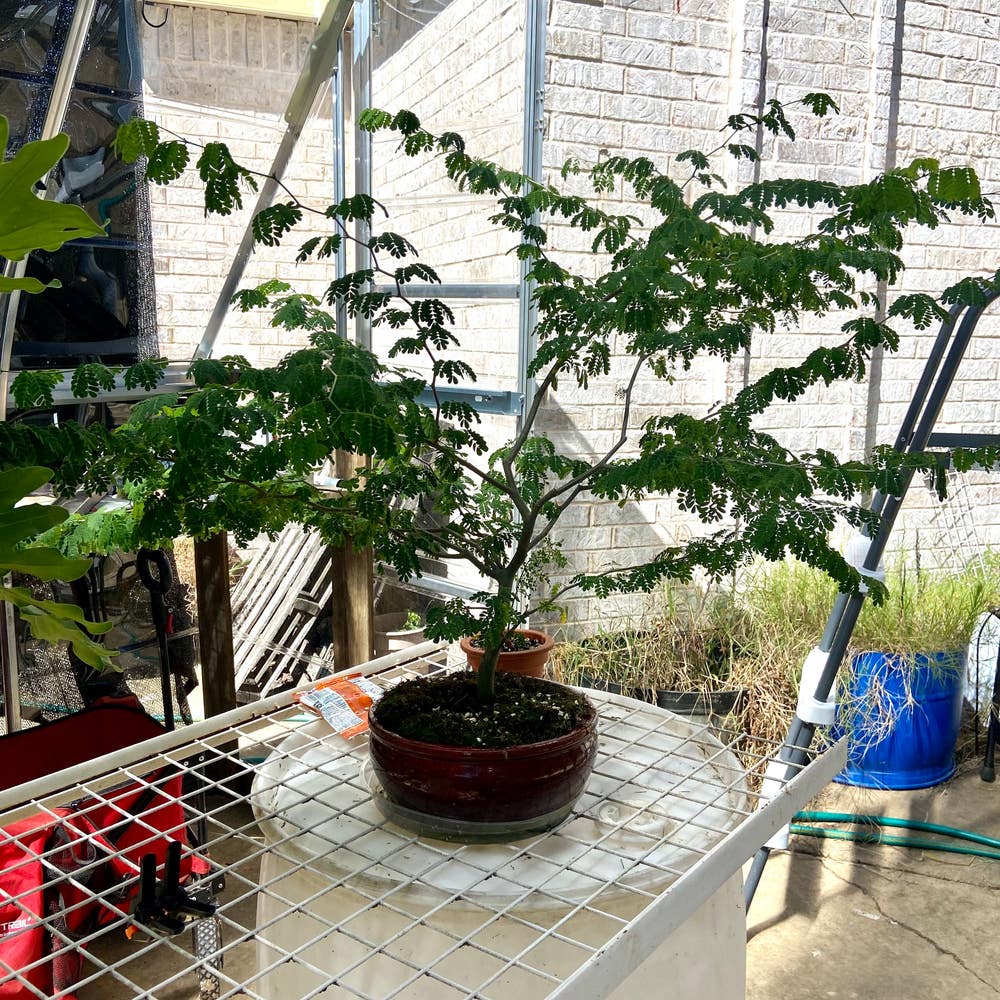
🌳 Why Your Golden Raintree Leaves Are Falling Over
Koelreuteria paniculata
By the Greg Editorial Team
Oct 18, 2024•8 min read
This article was created with the help of AI so we can cover more plants for you. May contain errors. See one? Report it here.
Ensure your Golden Raintree flourishes 🌳 by uncovering the secrets to preventing leaf drop and promoting vibrant growth!
- 🌬️🌡️ Environmental stressors like extreme weather can cause leaf drop in Golden Raintrees.
- 🌱💧 Proper watering and soil quality are crucial to prevent premature leaf loss.
- 🐛🔍 Monitor for pests and diseases early to protect your tree's health.
Causes of Leaf Drop
🌪️ Environmental Stress Factors
Temperature extremes can wreak havoc on your Golden Raintree. Both scorching heat and freezing cold can lead to leaf stress, causing them to drop prematurely.
Wind exposure is another culprit. Strong winds can cause leaves to wilt and fall, especially if the tree is not well-established.
Drought conditions significantly impact leaf retention. Insufficient water can lead to stress, making leaves more likely to drop.
Seasonal changes also play a role. Understanding the natural leaf fall cycles can help you differentiate between normal shedding and stress-induced drop.
🌱 Soil Conditions and Moisture Levels
The ideal soil type for Golden Raintrees is well-drained. Poor drainage can lead to root stress, making it essential to assess your soil conditions.
Overwatering can be just as harmful. Signs of waterlogged soil include yellowing leaves and a mushy root system.
To evaluate drainage quality, consider techniques like digging a small hole and observing how quickly water drains. This can give you insights into your soil's health.
Soil moisture monitoring is crucial. Tools like moisture meters can help maintain optimal moisture levels, ensuring your tree thrives.
🐛 Pest Infestations
Common pests can significantly affect your tree's health. Aphids are notorious for causing yellowing leaves and stunted growth.
Scale insects are another concern. They can be hard to spot but can lead to severe damage if left unchecked.
Look for signs of pest damage, such as sticky residue or wilting leaves. Early detection and intervention are key to preventing further issues.
🌿 Nutrient Deficiencies
Key nutrients like nitrogen, phosphorus, and potassium are vital for tree health. A deficiency in any of these can lead to noticeable symptoms.
Yellowing leaves and stunted growth often indicate nutrient deficiencies. Regular soil testing can help you assess nutrient levels effectively.
Understanding what each nutrient does can guide your fertilization efforts, ensuring your tree gets what it needs to flourish.
🦠 Fungal and Bacterial Infections
Fungal infections can manifest in various ways. Look for symptoms like discoloration or unusual growths on leaves.
Bacterial infections can also pose a threat. Signs to watch for include wilting and dark spots on leaves.
Maintaining tree health is essential to prevent these infections. A proactive approach can save your tree from significant damage.
By understanding these causes of leaf drop, you can take steps to ensure your Golden Raintree remains healthy and vibrant. Next, we'll explore how to diagnose these leaf drop issues effectively.
Diagnosing Leaf Drop Issues
🌿 Identifying Symptoms of Stress
When your Golden Raintree starts dropping leaves, it's crucial to look for visual signs. Changes in leaf color, wilting, and specific drop patterns can indicate stress.
Additionally, observe behavioral changes in the tree. A decline in growth rate or overall vigor can signal underlying issues that need addressing.
🧪 Assessing Soil Quality and Drainage
Soil quality plays a vital role in tree health. Techniques for soil testing include checking pH and nutrient levels to ensure your tree has the right environment to thrive.
Drainage evaluation is equally important. Methods such as digging a small hole and observing how quickly water drains can help you assess whether your soil is retaining too much moisture.
🐛 Recognizing Pest Damage
Pests can wreak havoc on your Golden Raintree. Use inspection techniques like closely examining leaves and branches for any signs of infestation.
Identifying specific pest damage is essential. Look for patterns such as yellowing leaves or sticky residue, which can indicate the presence of pests like aphids or scale insects.
🥦 Evaluating Nutrient Levels
Understanding nutrient levels is key to diagnosing leaf drop. Soil testing kits are handy tools for assessing nutrient content and ensuring your tree gets what it needs.
Interpreting results from these tests can reveal nutrient deficiencies. Knowing what each nutrient does helps you make informed decisions about amendments.
🍂 Observing Seasonal Changes
Natural leaf drop cycles are a normal part of a tree's life. Familiarize yourself with when and why these cycles occur to differentiate between seasonal drop and stress-related drop.
Recognizing the difference can help you respond appropriately. If your tree is dropping leaves outside its normal cycle, it may be time to investigate further.
By diagnosing these issues early, you can take proactive steps to ensure your Golden Raintree remains healthy and vibrant. Next, let’s explore preventive measures to keep your tree thriving.
Preventive Measures
Proper Watering Techniques 💧
Maintaining the right watering frequency is crucial for your Golden Raintree. Aim to keep the soil consistently moist but not soggy, watering deeply once a week during dry spells.
Recognizing the signs of overwatering versus underwatering can save your tree. Overwatered trees often show yellowing leaves and root rot, while underwatered trees may have wilting leaves and dry soil.
Soil Amendments for Nutrient Balance 🌱
To ensure your tree thrives, consider adding organic matter, compost, or balanced fertilizers to the soil. These amendments enhance nutrient availability and improve soil structure.
When applying amendments, mix them into the top few inches of soil. This technique helps distribute nutrients evenly and encourages healthy root growth.
Pest Management Strategies 🐞
Implementing Integrated Pest Management (IPM) can effectively protect your tree from pests. This approach combines monitoring, prevention, and control methods to minimize damage.
Natural pest deterrents, like introducing beneficial insects such as ladybugs, can also help. These allies target harmful pests without the need for harsh chemicals.
Regular Monitoring and Maintenance 🔍
Routine checks are essential for early detection of issues. Inspect your tree every few weeks for signs of stress or pest activity.
Keeping a record of your tree's health can provide valuable insights. Document changes in growth, leaf color, and any interventions you make over time.
Seasonal Care Tips 🍂
Tailoring your care routine to the seasons can enhance your tree's resilience. In spring, focus on fertilization; during summer, ensure adequate watering; fall is for pruning, and winter requires protection from harsh conditions.
Adjusting care based on seasonal conditions helps your tree thrive year-round. Stay attuned to weather patterns and be ready to adapt your approach as needed.
By implementing these preventive measures, you can significantly enhance the health and vitality of your Golden Raintree. This proactive care will set the stage for effective treatment options should any issues arise.
Treatment Options
Adjusting Watering Practices 🌧️
Modifying your watering schedule is crucial for your Golden Raintree's health. Assess the weather conditions and adjust accordingly; during dry spells, increase watering, while in rainy periods, reduce it.
If you suspect overwatering, improve drainage by aerating the soil or adding organic matter. This helps prevent root rot and promotes healthier growth.
Fertilization Techniques for Recovery 🌱
Choosing the right fertilizer can make a significant difference. Slow-release fertilizers provide nutrients over time, while liquid options offer a quick boost.
Timing is key; fertilize in early spring or late summer for optimal recovery. This ensures your tree gets the nutrients it needs when it can use them most effectively.
Pest Control Methods 🐞
When it comes to pest control, you have options. Chemical treatments can be effective but may harm beneficial insects, while organic solutions are safer for the environment.
For a balanced approach, consider integrated pest management (IPM). Start with inspection, identify the pests, and then apply your chosen method step-by-step for effective control.
Pruning Affected Areas ✂️
Pruning is essential for maintaining your tree's health. Remove dead or damaged branches to encourage new growth and improve air circulation.
Use sharp, clean tools for the best results. A pruning saw or shears will help you make clean cuts, reducing the risk of infection.
Using Fungicides for Infections 🦠
Fungicides can help combat infections that threaten your tree. Systemic fungicides work from within, while contact fungicides target surface issues.
Follow application guidelines carefully. Ensure you cover all affected areas and apply during dry weather for maximum effectiveness.
These treatment options will help restore your Golden Raintree's vitality. By addressing watering, fertilization, pest control, pruning, and potential infections, you can ensure your tree thrives. Next, let’s explore long-term care practices to maintain its health over time.
Long-term Care
🌱 Best Practices for Healthy Growth
Consistent care is crucial for your Golden Raintree's health. Regular watering, fertilizing, and monitoring will help ensure robust growth and vibrant leaves.
Choosing the right location is equally important. Ensure your tree receives adequate sunlight and has enough space to thrive without crowding.
📅 Seasonal Care Routines
Adapting your care routine to the seasons can make a significant difference. Create detailed seasonal checklists to guide your actions throughout the year.
Adjust your care based on the growth stages of your tree. Young trees may need more attention, while established ones might require less frequent care.
👀 Monitoring Tree Health Over Time
Keep an eye out for signs of a healthy tree. Look for vibrant leaves, steady growth, and a strong structure as indicators of well-being.
Tracking growth and health changes is essential. Consider keeping a journal to document your observations and care routines, which can help you spot trends over time.
🌍 Adapting Care Based on Environmental Changes
Recognizing environmental stressors is key to maintaining your tree's health. Be vigilant about changes in weather or soil conditions that could impact your tree.
Flexibility in your care routines is vital. Adjust your practices as needed to ensure your Golden Raintree remains healthy and resilient in varying conditions.
With these long-term care strategies, you can foster a thriving environment for your tree, ensuring it flourishes for years to come.
⚠️ Safety First
This content is for general information and may contain errors, omissions, or outdated details. It is not medical, veterinary advice, or an endorsement of therapeutic claims.
Always consult a qualified healthcare professional before using any plant as food, medicine, or supplement.
Never eat any plant (or feed one to pets) without confirming its identity with at least two trusted sources.
If you suspect poisoning, call Poison Control (800) 222-1222, the Pet Poison Helpline (800) 213-6680, or your local emergency service immediately.
Spotted an error? Please report it here.
Keep your Golden Raintree thriving and healthy 🌳 by using Greg's tailored reminders and expert tips to monitor soil moisture and manage pests effectively!