🌳 Dealing with Golden Raintree as a Weed
Koelreuteria paniculata
By the Greg Editorial Team
Oct 18, 2024•7 min read
This article was created with the help of AI so we can cover more plants for you. May contain errors. See one? Report it here.
Protect local ecosystems from Golden Raintree's invasion 🌱—understand its impact and learn effective management strategies! 🌳
- 🌱 Golden Raintree is a weed, rapidly spreading and outcompeting native plants.
- 🐦 It disrupts local ecosystems, harming biodiversity and food sources for wildlife.
- ⚠️ Effective management includes manual removal and awareness to prevent its spread.
Plant Classification
Definition of Weeds and Invasive Species 🌱
Weeds are unwanted plants that aggressively invade cultivated areas, competing with desired plants for resources. They can quickly take over gardens and landscapes, making them a nuisance for gardeners and farmers alike.
Invasive species, on the other hand, are non-native plants that spread rapidly, disrupting local ecosystems. These plants outcompete native flora, leading to significant ecological imbalances.
Criteria for Classifying Golden Raintree as a Weed 🌳
Golden Raintree meets several criteria that classify it as a weed. First, it has a rapid spread, thriving in various environments and quickly establishing itself.
Its competitive nature allows it to outcompete native species for essential resources like light, water, and nutrients. This aggressive growth can lead to a decline in local biodiversity.
Moreover, the ecological impact of Golden Raintree is profound. It alters habitats, making it difficult for native plants to survive and thrive, ultimately reducing the richness of local ecosystems.
Understanding these classifications helps us recognize the challenges posed by Golden Raintree and the importance of managing its spread effectively.
Identification
Key Identifying Features 🌿
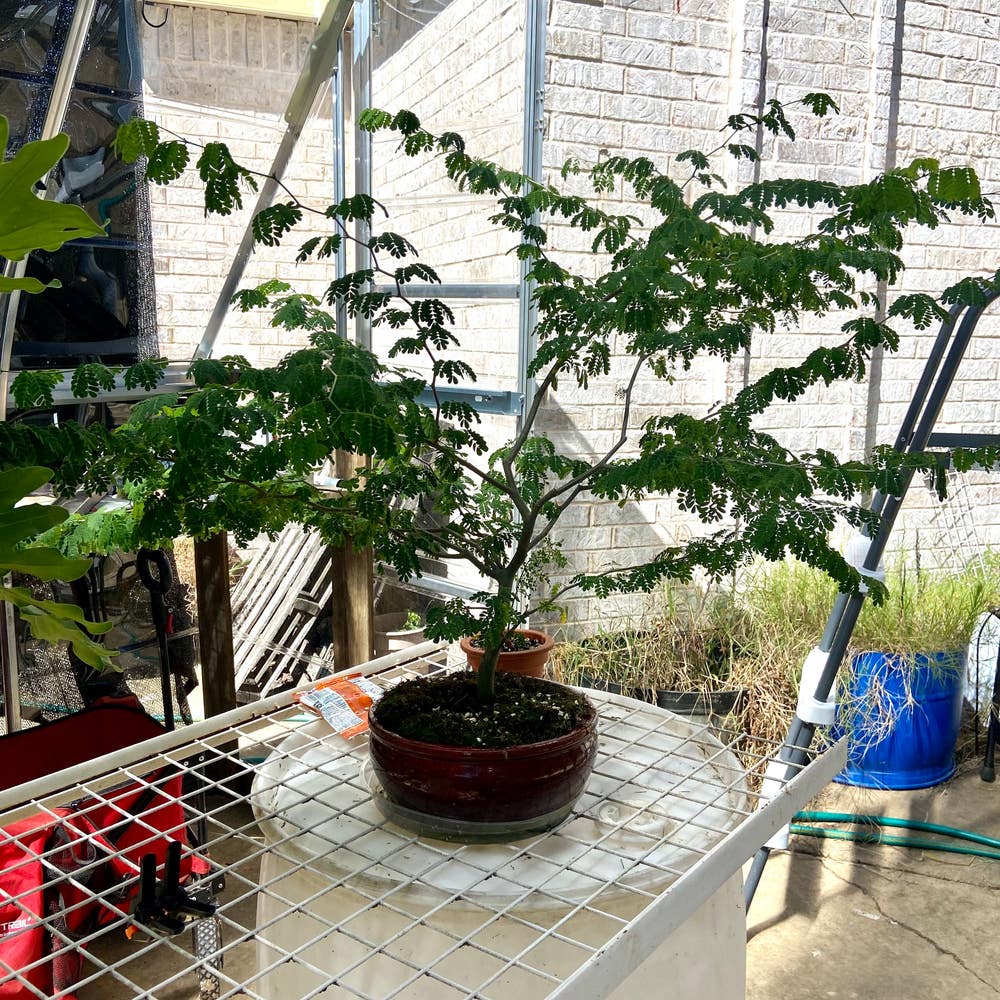
Identifying the Golden Raintree is straightforward if you know what to look for. Its leaves are pinnately compound, featuring 7 to 15 leaflets that measure between 3 to 5 inches long.
In summer, the tree showcases large, showy yellow flowers arranged in panicles. These vibrant blooms are hard to miss and add a striking touch to any landscape.
The seed pods are another distinctive feature. They are papery, turning brown as they mature, and eventually split open to release a multitude of seeds.
Distinguishing Features from Look-Alike Plants 🔍
When comparing Golden Raintree to similar species, focus on specific differences. The leaf shape and flower structure can vary significantly, making it easier to identify this invasive species.
Key identifiers include the unique seed pods and the flowering patterns. These characteristics set Golden Raintree apart from other plants, making it crucial to recognize them for effective management.
Understanding these features not only aids in identification but also helps in preventing its spread. Being informed is the first step toward taking action against this invasive species.
Growth Habits and Spread
Typical Growth Patterns 🌳
Golden Raintree is known for its rapid growth, often reaching impressive heights of 30 to 40 feet. Its adaptability allows it to thrive in a wide range of soil types and urban environments, making it a resilient presence in many landscapes.
Reproductive Strategies and Methods of Spread 🌱
This species produces a high volume of seeds annually, which significantly contributes to its rapid spread. Additionally, Golden Raintree can sprout from roots and stumps after cutting, showcasing its robust vegetative reproduction capabilities.
Success in Various Environments 🌆
Golden Raintree demonstrates remarkable tolerance to urban conditions, flourishing in disturbed areas where many other plants struggle. Its resistance to pests and diseases further enhances its ability to dominate local ecosystems, often at the expense of native flora.
Understanding these growth habits and reproductive strategies is crucial for effective management. By recognizing how Golden Raintree spreads and thrives, we can better address its impact on local ecosystems and take steps toward control.
Ecological Impact
🌱 Effects on Native Plant Communities
Golden Raintree competes aggressively with native species, often displacing them and leading to a significant reduction in biodiversity. This competition alters habitats, changing soil composition and light availability, which can hinder the growth of other plants.
🦉 Impact on Wildlife and Biodiversity
The presence of Golden Raintree disrupts food sources for native wildlife that rely on indigenous plants. As these trees dominate, they reduce available habitats, leaving less room for native fauna to thrive.
🌊 Influence on Soil and Water Resources
Golden Raintree contributes to soil degradation by altering nutrient cycling and water retention in affected areas. Additionally, it competes with native plants for moisture, impacting local hydrology and potentially leading to water scarcity for other species.
Understanding these ecological impacts is crucial for effective management and control of Golden Raintree. By recognizing its influence on local ecosystems, we can take proactive steps to mitigate its spread and protect native biodiversity.
Control and Management
👐 Manual Removal Techniques
Hand-pulling is a straightforward method for tackling small Golden Raintree infestations. Just make sure to remove all roots to prevent regrowth; this approach has a moderate difficulty level.
Regular cutting back of the plants can also help. This technique prevents seed production, but it’s essential to monitor the area afterward to catch any new growth.
🧪 Chemical Control Options
For larger infestations, systemic herbicides can be effective. Timing and application methods are crucial for success, but this approach is considered hard due to the potential risks involved.
Always follow label instructions and consider the environmental impact when using chemicals. Responsible application can minimize harm to surrounding ecosystems.
🦠 Biological Control Methods
Introducing natural predators is another avenue worth exploring. Research potential biological control agents that specifically target Golden Raintree to help manage its spread.
However, be cautious. Ensure that any introduced species won't become invasive themselves, as this could create more problems than it solves.
🚫 Preventive Measures to Limit Spread
Regular monitoring is key to catching Golden Raintree early. Conduct inspections of your landscape to spot any signs of growth before they become a bigger issue.
Public awareness is equally important. Educating communities about the risks associated with Golden Raintree can foster collective action against its spread.
⏰ Importance of Early Detection and Rapid Response
Quick action is essential for preventing the establishment and spread of Golden Raintree in new areas. The sooner you act, the better your chances of controlling this invasive species.
Encouraging reporting systems for sightings can help local authorities respond swiftly. Together, we can keep our ecosystems healthy and thriving.
Legal Status
📜 Laws and Regulations
Understanding the legal landscape surrounding Golden Raintree is crucial for effective management. Many states have specific regulations governing the cultivation and sale of invasive species, including Golden Raintree.
These laws often aim to prevent the spread of invasive plants that threaten local ecosystems. In some areas, you may find restrictions on planting or selling Golden Raintree, especially in regions where it poses a significant ecological risk.
⚖️ Requirements for Removal or Control
Compliance with local mandates is essential for anyone dealing with Golden Raintree. Landowners must familiarize themselves with the regulations that dictate how to manage and remove this invasive species.
Additionally, there are obligations to report sightings of Golden Raintree in certain jurisdictions. This proactive approach helps local authorities monitor and control its spread, ensuring that communities work together to protect their native ecosystems.
As we navigate the complexities of managing Golden Raintree, it's vital to stay informed about these legal requirements. This knowledge empowers us to take action and contribute to the preservation of our local environments.
Next, we'll explore the potential benefits or uses of Golden Raintree, despite its invasive nature.
Potential Benefits or Uses
🌼 Historical or Current Beneficial Uses
Golden Raintree is often celebrated for its striking yellow flowers, making it a popular choice in landscaping. Its aesthetic appeal draws many homeowners and gardeners, who appreciate its vibrant summer blooms.
Additionally, there are historical mentions of its use in traditional medicine, although these applications are less common today. Some cultures have utilized parts of the tree for various remedies, but these uses are overshadowed by its invasive nature.
⚠️ Discussion of Negative Impacts
Despite its ornamental charm, the ecological and economic drawbacks of Golden Raintree are significant. Its rapid spread and competitive nature can devastate local ecosystems, outcompeting native plants and reducing biodiversity.
The costs associated with managing this invasive species can also strain local resources. In the end, the potential benefits of Golden Raintree pale in comparison to the challenges it poses to our natural landscapes.
Understanding these impacts is crucial for making informed decisions about its use in gardens and public spaces. As we weigh its beauty against its invasiveness, it becomes clear that caution is essential.
⚠️ Safety First
This content is for general information and may contain errors, omissions, or outdated details. It is not medical, veterinary advice, or an endorsement of therapeutic claims.
Always consult a qualified healthcare professional before using any plant as food, medicine, or supplement.
Never eat any plant (or feed one to pets) without confirming its identity with at least two trusted sources.
If you suspect poisoning, call Poison Control (800) 222-1222, the Pet Poison Helpline (800) 213-6680, or your local emergency service immediately.
Spotted an error? Please report it here.
Combat the invasive Golden Raintree 🌳 with Greg's expert plant identification and community insights to protect your garden's biodiversity and take action today!