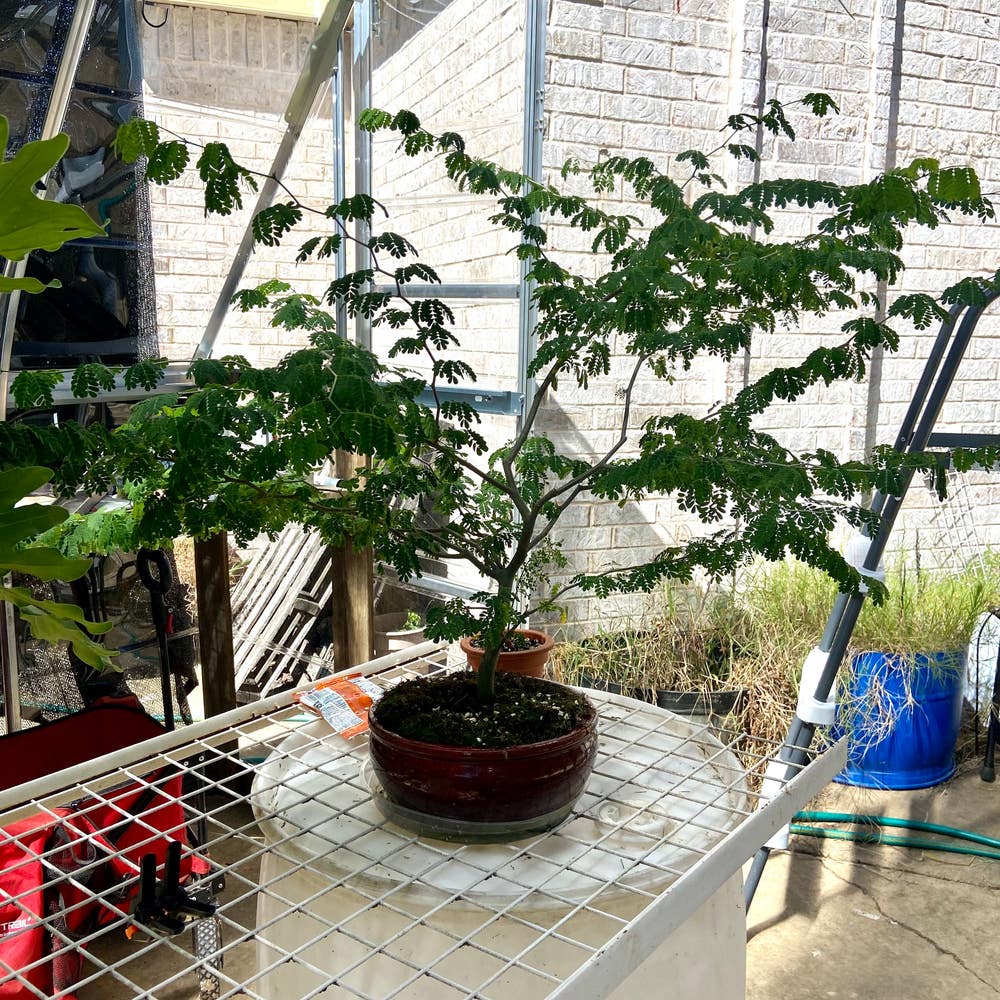
🌳 Understanding Why Golden Rain Tree May Not Flower
Koelreuteria paniculata
By the Greg Editorial Team
Oct 09, 2024•3 min read
This article was created with the help of AI so we can cover more plants for you. May contain errors. See one? Report it here.
Unlock vibrant blooms for your Golden Rain Tree 🌼 with essential tips on light, nutrients, and pest control!
- 🌞 Golden Rain Trees need 6+ hours of sunlight daily to bloom effectively.
- 🌱 Nutritional deficiencies in phosphorus and potassium hinder flowering potential.
- 💧 Consistent watering and well-drained soil are crucial for healthy blooms.
Flowering Problems in Golden Rain Tree
🌼 Failure to Bloom
Potential Causes
Light Requirements
Golden Rain Trees thrive on sunlight, needing at least six hours of direct exposure daily. Seasonal changes can also impact light availability, leading to insufficient blooming.
Nutritional Deficiencies
A lack of essential nutrients, particularly phosphorus and potassium, can hinder flowering. Poor soil quality may further exacerbate nutrient deficiencies.
Environmental Stress
Temperature fluctuations, whether extreme heat or cold, can stress the tree. Additionally, overwatering can lead to root stress, preventing blooms from forming.
💡 Solutions
Adjusting Light Exposure
If your tree isn't getting enough light, consider relocating it to a sunnier spot. You can also use reflective surfaces to enhance light availability.
Fertilization
Applying a balanced fertilizer high in phosphorus during the growing season can boost flowering. Soil amendments may also improve nutrient content, supporting healthy growth.
🌸 Premature Flower Drop
Causes
Nutritional Deficiencies
Insufficient micronutrients, such as magnesium and iron, can lead to premature flower drop. An imbalanced soil pH may further hinder nutrient uptake.
Water Stress
Inconsistent watering practices can create drought stress, while overwatering may cause root rot, both of which can lead to flowers dropping prematurely.
💧 Solutions
Proper Watering Techniques
Establish a consistent watering schedule, ensuring you water deeply but infrequently. Monitoring soil moisture levels can help prevent extremes.
Soil Amendments
Incorporating organic matter can improve soil structure and nutrient retention. Testing soil pH and adjusting as necessary will also support healthy flowering.
🌺 Abnormal Flower Development
Causes
Pest Infestations
Common pests like aphids and scale insects can severely affect flower quality. Signs of infestation include distorted flowers and sticky residue on leaves.
Improper Pruning
Incorrect timing or technique in pruning can lead to poor flower formation. Over-pruning may even remove potential flower buds.
🐞 Solutions
Pest Management
Regular inspections are crucial for early detection of pests. Using insecticidal soap or neem oil can effectively treat infestations.
Correct Pruning Techniques
Prune your Golden Rain Tree after flowering to avoid removing buds. Always use sharp, clean tools to minimize damage during the process.
🌦️ Environmental Stressors
Weather Conditions Impacting Flowering
Extreme temperatures can lead to heat stress, causing buds to drop. Additionally, rainfall patterns can significantly affect soil moisture levels.
Soil Quality and Drainage Issues
Well-drained soil is vital for root health. Signs of poor drainage include water pooling and symptoms of root rot.
🐛 Pest and Disease Management
Common Pests Affecting Flowering
Identifying pests like aphids and spider mites is essential for maintaining flower health. Look for signs of damage, such as wilting flowers and leaf distortion.
Preventative Measures and Treatments
Implementing integrated pest management strategies can help protect your tree. Regular monitoring and timely interventions are key to ensuring vibrant blooms.
This comprehensive understanding of flowering problems in Golden Rain Trees sets the stage for effective care. Next, we will explore how to enhance the overall health of your tree to encourage robust flowering.
⚠️ Safety First
This content is for general information and may contain errors, omissions, or outdated details. It is not medical, veterinary advice, or an endorsement of therapeutic claims.
Always consult a qualified healthcare professional before using any plant as food, medicine, or supplement.
Never eat any plant (or feed one to pets) without confirming its identity with at least two trusted sources.
If you suspect poisoning, call Poison Control (800) 222-1222, the Pet Poison Helpline (800) 213-6680, or your local emergency service immediately.
Spotted an error? Please report it here.
Help your Golden Rain Tree bloom beautifully 🌼 by using Greg's tailored watering alerts and fertilization tips to ensure it gets the sunlight and nutrients it craves!