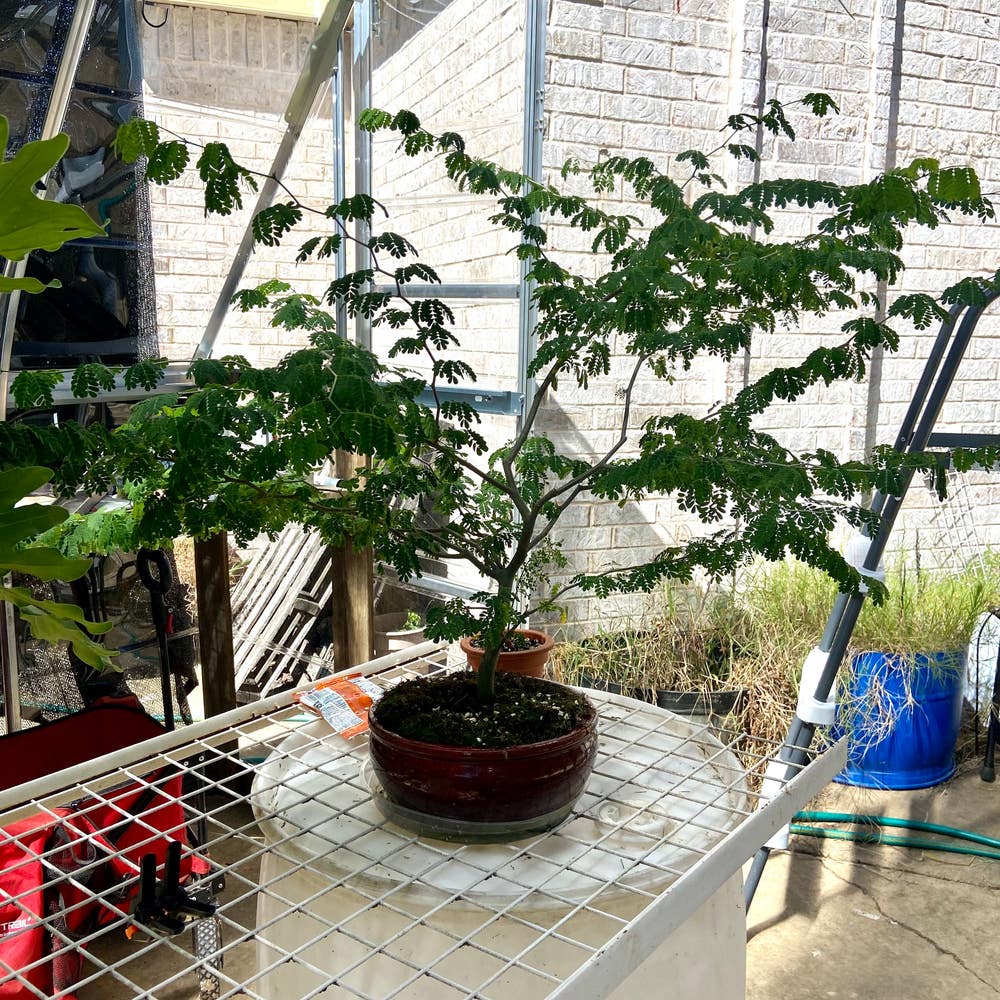
3 Tips for Healing Dropping Leaves on Your Golden Raintree 🩹
Koelreuteria paniculata
By the Greg Editorial Team
Oct 18, 2024•7 min read
This article was created with the help of AI so we can cover more plants for you. May contain errors. See one? Report it here.
Unlock the secrets to preventing leaf drop in your Golden Raintree 🌳 and ensure its vibrant health year-round! 🌱
- 🌬️ Environmental stressors like temperature and humidity can cause leaf drop in Golden Raintrees.
- 💧 Overwatering and underwatering both lead to leaf drop; maintain a consistent watering schedule.
- 🌱 Nutrient deficiencies and pests weaken trees; monitor for symptoms and adjust care accordingly.
Causes of Leaf Drop
🌪️ Environmental Stress Factors
Golden Raintrees are sensitive to their environment, and fluctuations in temperature can lead to leaf drop. Extreme heat or cold can shock the tree, causing it to shed leaves as a survival mechanism.
Humidity plays a crucial role too. Low humidity levels can stress the tree, prompting it to drop leaves in an effort to conserve moisture.
Wind exposure is another factor. Strong winds can physically damage leaves and branches, leading to premature leaf drop.
💧 Watering Issues
Overwatering
Overwatering is a common culprit for leaf drop. Symptoms include yellowing leaves, wilting, and even root rot, which can be devastating for your tree.
This issue often arises from poor soil drainage or excessive rainfall. If your tree is sitting in waterlogged soil, it’s time to reassess your watering practices.
Underwatering
On the flip side, underwatering can also cause problems. Look for dry, crispy leaves and premature leaf drop as signs that your tree isn’t getting enough water.
Infrequent watering and drought conditions are usually to blame. Make sure to keep a consistent watering schedule to avoid stressing your tree.
🥦 Nutrient Deficiencies
Nutrient deficiencies can significantly impact your Golden Raintree. Common deficiencies include nitrogen, potassium, and magnesium.
Symptoms often manifest as yellowing leaves, stunted growth, and, of course, leaf drop. Conducting a soil test is essential for assessing nutrient levels and determining the right treatment.
🐛 Pest Infestations
Pests can wreak havoc on your tree's health. Common offenders include aphids and scale insects, which can lead to serious leaf drop.
Look for sticky residue on leaves, visible pests, or leaf curling as signs of an infestation. These pests weaken the tree, making it more susceptible to leaf drop and other health issues.
Understanding these causes is the first step in addressing leaf drop in your Golden Raintree. Next, we’ll explore how to diagnose the specific issues affecting your tree.
Diagnosing Leaf Drop
Identifying Symptoms 🌿
When diagnosing leaf drop in your Golden Raintree, start by observing visual signs. Look for yellowing, wilting, or curling leaves, as these can indicate underlying issues.
Timing is also crucial. Note when leaf drop occurs, especially in relation to environmental changes like temperature shifts or drought conditions.
Assessing Soil Conditions 🌱
Next, assess your soil conditions. Check for compacted or waterlogged soil, as poor drainage can lead to root problems.
Maintaining optimal soil pH is essential for nutrient uptake. A pH test can help you determine if adjustments are needed to support your tree's health.
Checking for Pests 🐛
Inspecting for pests is another key step. Use thorough inspection techniques to look for common pests that may be affecting your tree.
Signs of infestation include sticky residue on leaves, webbing, or visible insects. Catching these early can prevent further damage.
Evaluating Watering Practices 💧
Finally, evaluate your watering practices. Assess how often and how much you’re watering to ensure your tree is getting the right amount.
Soil moisture testing can help determine if your tree is over or underwatered. This simple check can make a significant difference in your tree's health.
By carefully diagnosing these factors, you can take informed steps to address leaf drop and promote a thriving Golden Raintree. Next, let’s explore effective strategies for preventing leaf drop altogether.
Preventing Leaf Drop
💧 Proper Watering Techniques
Watering your Golden Raintree deeply but infrequently is key. This approach encourages deep root growth and helps the tree withstand stress.
Check soil moisture levels before watering. If the top two inches of soil are dry, it’s time to give your tree a drink.
🌱 Soil and Nutrient Management
Establishing a fertilization schedule is essential for a healthy tree. Aim to feed your Golden Raintree in early spring and mid-summer with a balanced fertilizer.
Consider soil amendments to improve drainage and nutrient content. Adding organic matter can enhance soil structure and provide essential nutrients.
☀️ Sunlight and Location Considerations
Golden Raintrees thrive in full sun. Ensure your tree receives at least six hours of direct sunlight daily for optimal growth.
Choose a location that avoids shaded or overly windy areas. This will help minimize stress and promote healthy foliage.
✂️ Regular Maintenance and Pruning
Pruning is vital for maintaining tree health. Regularly remove dead or damaged branches to encourage new growth and improve air circulation.
Timing is crucial for effective pruning. Late winter or early spring is the best time to trim your Golden Raintree before new growth begins.
By implementing these preventative measures, you can significantly reduce the chances of leaf drop and ensure your Golden Raintree remains vibrant and healthy. Next, let’s explore how to treat leaf drop when it occurs.
Treating Leaf Drop
🧼 Step-by-Step Treatment for Overwatering
Overwatering can be a silent killer for your Golden Raintree. Start by assessing soil moisture levels; if the soil feels soggy, it's time to act.
Next, improve drainage by amending the soil with sand or perlite. This will help excess water escape and prevent root rot.
Finally, adjust your watering schedule. Allow the soil to dry out between waterings to give your tree a fighting chance.
🥦 Addressing Nutrient Deficiencies
Nutrient deficiencies can also lead to leaf drop. Conduct a soil test to determine which nutrients are lacking.
Once you know the deficiencies, choose the right fertilizer to replenish those nutrients. This targeted approach will help your tree thrive.
🐛 Pest Control Methods
Pests can wreak havoc on your tree's health. Start with organic options like neem oil or insecticidal soap for effective pest management.
If the infestation is severe, consider chemical treatments. Just be cautious and use them as a last resort to protect your tree's overall health.
🌱 Recovery Techniques for Affected Trees
After treatment, monitoring recovery is crucial. Look for signs of improvement, such as new growth or healthier leaves.
Additionally, provide extra water and nutrients during this recovery phase. This extra care can make all the difference in helping your tree bounce back.
By following these steps, you can effectively treat leaf drop and restore your Golden Raintree to its vibrant self. Next, let’s explore seasonal care to keep your tree healthy year-round.
Seasonal Care
Fall and Winter Care 🍂
As the seasons change, your Golden Raintree needs special attention. Start by reducing watering; the tree requires less moisture as it prepares for dormancy.
Protecting your tree from frost is crucial. Consider wrapping the base with burlap or using frost cloth to shield it from extreme cold.
Mulching 🌱
Mulching is a game-changer for winter care. It helps retain soil moisture and regulates temperature, ensuring your tree stays healthy through the colder months.
A layer of organic mulch can also improve soil structure over time, providing additional nutrients as it breaks down.
Spring Growth and Leaf Development 🌼
Spring is a time of renewal for your Golden Raintree. Early season care, including fertilization and consistent watering, promotes robust growth.
Keep an eye out for pests as the tree begins to leaf out. Increased vigilance during this period can prevent infestations from taking hold.
Summer Heat Stress Management ☀️
Summer can be tough on your tree, especially during heatwaves. Adjust your watering strategies to ensure the soil remains adequately moist without becoming waterlogged.
Consider providing temporary shade during extreme heat events. This can help mitigate stress and keep your tree thriving.
Conclusion
By following these seasonal care tips, you can ensure your Golden Raintree remains healthy and vibrant year-round. Next, let’s dive into effective treatments for any leaf drop issues you might encounter.
⚠️ Safety First
This content is for general information and may contain errors, omissions, or outdated details. It is not medical, veterinary advice, or an endorsement of therapeutic claims.
Always consult a qualified healthcare professional before using any plant as food, medicine, or supplement.
Never eat any plant (or feed one to pets) without confirming its identity with at least two trusted sources.
If you suspect poisoning, call Poison Control (800) 222-1222, the Pet Poison Helpline (800) 213-6680, or your local emergency service immediately.
Spotted an error? Please report it here.
Keep your Golden Raintree thriving 🌿 by using Greg's tailored reminders for watering and nutrients, ensuring those leaves stay put and your tree flourishes!