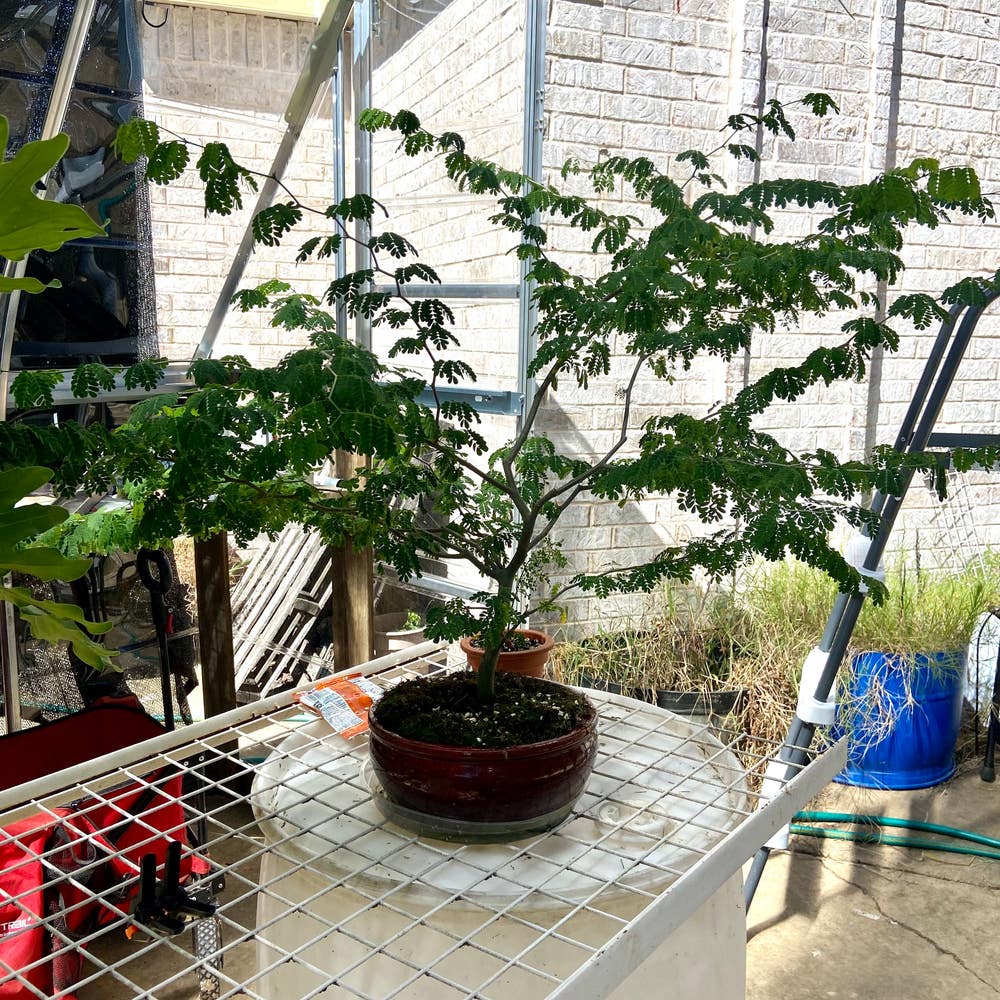
Optimal Hardiness Zones for Golden Rain Tree: 5a-9b 🌳
Koelreuteria paniculata
By the Greg Editorial Team
Oct 09, 2024•4 min read
This article was created with the help of AI so we can cover more plants for you. May contain errors. See one? Report it here.
Master the temperature secrets 🌡️ for thriving Golden Rain Trees and enjoy vibrant blooms in your garden!
- 🌳 Golden Rain Tree thrives in hardiness zones 5a-9b, tolerating temperatures from -15°F to 100°F.
- ☀️ Full sunlight and well-drained soil are essential for optimal growth and flowering.
- 🌍 Microclimates can expand its growing range, making it versatile for various gardeners.
Temperature Tolerance
❄️ Cold Tolerance Specifics
The Golden Rain Tree can withstand minimum temperatures down to -15°F (-26°C), making it suitable for hardiness zone 5a. However, it is sensitive to frost, which can hinder its growth and flowering potential.
☀️ Heat Tolerance Specifics
On the flip side, this tree thrives in heat, tolerating maximum temperatures up to 100°F (38°C). This heat tolerance is crucial for robust summer growth and vibrant flowering.
🌡️ Ideal Temperature Ranges for Growth
For optimal growth, the Golden Rain Tree prefers temperatures between 60°F and 85°F (15°C to 29°C). Fluctuations outside this range can negatively impact flowering and seed production, affecting its overall health and vitality.
Understanding these temperature tolerances is essential for anyone looking to cultivate this beautiful tree. With the right conditions, the Golden Rain Tree can flourish, bringing vibrant colors and life to your landscape.
Next, we’ll explore the ideal growing regions for the Golden Rain Tree, highlighting specific states where it can thrive.
Ideal Growing Regions
🌍 Examples of US States in Zones 5a-9b
The Golden Rain Tree flourishes in a variety of climates across the United States. Here’s a breakdown of states where it can thrive:
- Zone 5a: Minnesota, Wisconsin
- Zone 6a: Missouri, Kentucky
- Zone 7a: Virginia, North Carolina
- Zone 8a: Texas, Georgia
- Zone 9a: Florida, Southern California
These regions provide the right balance of temperature and conditions for optimal growth.
🌱 Factors Contributing to Ideal Growing Conditions
The Golden Rain Tree has specific preferences that contribute to its success.
Soil Preferences: It thrives in well-drained soils and shows adaptability to various soil types. This flexibility allows it to establish roots in diverse environments.
Importance of Sunlight: Full sun is crucial for the Golden Rain Tree. Adequate sunlight not only supports its growth but also enhances flowering, making it a stunning addition to any landscape.
Understanding these factors can help gardeners select the best locations for planting and nurturing this beautiful tree.
As we explore further, we’ll dive into how microclimates can impact the growth of the Golden Rain Tree, extending its reach beyond typical hardiness zones.
Microclimates and Their Impact
🌦️ Definition and Importance of Microclimates
Microclimates are localized climate variations that can significantly differ from the surrounding area. These variations can be influenced by factors such as elevation, proximity to water, and urban heat islands.
Understanding microclimates is crucial for gardeners and landscapers. They can create unique growing conditions that may support plants like the Golden Rain Tree, even in less-than-ideal hardiness zones.
🌍 How Microclimates Can Extend Growing Range
Microclimates can enable the Golden Rain Tree to flourish beyond its typical hardiness zones. For instance, urban areas often have warmer temperatures due to buildings and pavement, creating a more favorable environment for growth.
Sheltered locations, such as those near bodies of water or against south-facing walls, can also provide the warmth and protection needed for this tree to thrive. These conditions can lead to successful flowering and seed production, enhancing the overall beauty of your landscape.
In summary, recognizing and utilizing microclimates can be a game-changer for growing the Golden Rain Tree. By strategically placing this tree in optimal locations, you can enjoy its vibrant blooms and unique foliage, even in less conventional areas.
Next, we’ll explore state-level suitability for the Golden Rain Tree, diving into which regions offer the best conditions for this stunning plant.
State-Level Suitability Analysis
🌳 List of States Suitable for Golden Rain Tree
The Golden Rain Tree thrives in various states across the U.S., particularly in hardiness zones 5a to 9b. Here’s a detailed list of states where this beautiful tree can flourish:
- Zone 5a: Minnesota, Wisconsin
- Zone 6a: Missouri, Kentucky
- Zone 7a: Virginia, North Carolina
- Zone 8a: Texas, Georgia
- Zone 9a: Florida, Southern California
These states provide ideal conditions due to their moderate climates, which support the tree's growth and flowering.
🚫 List of States Unsuitable for Golden Rain Tree
Unfortunately, not every state is suitable for the Golden Rain Tree. Here are the states where it struggles to survive:
- Zone 4 and below: North Dakota, Montana, Maine
These regions experience harsher winters that can be detrimental to the tree's health.
🌦️ Reasons for Suitability or Unsuitability Based on Climate and Hardiness Zones
Several climate factors contribute to the suitability or unsuitability of the Golden Rain Tree.
- Extreme Cold: States in colder zones face prolonged frost periods, which can damage the tree.
- Frost Dates: Understanding the first and last frost dates is crucial. If these dates fall too close together, the tree may not have enough time to establish itself.
In summary, the Golden Rain Tree thrives in warmer climates with moderate frost exposure, making it a delightful addition to gardens in suitable states. As we explore further, we’ll delve into how microclimates can influence its growth potential even outside typical hardiness zones.
⚠️ Safety First
This content is for general information and may contain errors, omissions, or outdated details. It is not medical, veterinary advice, or an endorsement of therapeutic claims.
Always consult a qualified healthcare professional before using any plant as food, medicine, or supplement.
Never eat any plant (or feed one to pets) without confirming its identity with at least two trusted sources.
If you suspect poisoning, call Poison Control (800) 222-1222, the Pet Poison Helpline (800) 213-6680, or your local emergency service immediately.
Spotted an error? Please report it here.
Cultivating the vibrant Golden Rain Tree in hardiness zones 5a to 9b is easier than you think 🌼—let Greg guide you with tailored care tips and reminders to help your tree flourish!