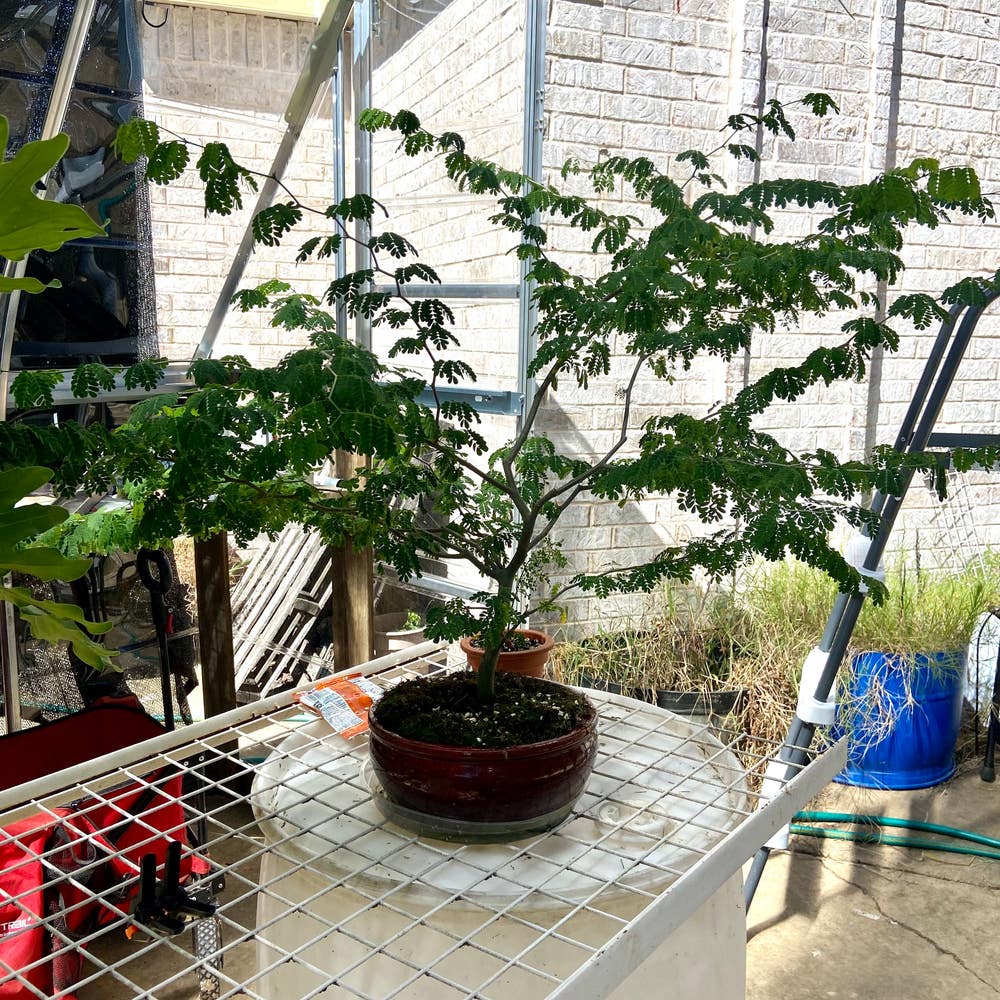
How to Get a Golden Rain Tree to Bloom
Koelreuteria paniculata
By the Greg Editorial Team
Feb 12, 2024•5 min read
This article was created with the help of AI so we can cover more plants for you. May contain errors. See one? Report it here.
Unlock a cascade of Golden Rain Tree blooms 🌸 with expert pruning and care tips!
- Prune in late winter for a spring bloom boost.
- 🌞 Full sun and moderate temps are ideal for flowering.
- Higher phosphorus fertilizer encourages more blooms.
Timing and Techniques for Pruning
🌳 When to Prune
Pruning your Golden Rain Tree isn't a calendar event; it's a seasonal symphony. The best times are late winter or early spring, just before the growth spurt. It's like hitting the reset button for your tree's blooming cycle. Look for the end of the dormant phase, but don't wait too long—summer's heat should find your tree already pruned and prepped.
🌿 How to Prune
Step-by-Step Pruning
- Assess the Tree: Stand back and size up your Golden Rain Tree. You're the director of this botanical ballet, and the tree's shape is your stage.
- Remove the Dead: Snip away dead or dying branches. It's not just clean-up; it's clearing the stage for new growth.
- Shape Up: Aim for a balanced, open structure that allows sunlight to reach the inner branches. Think of it as choreographing light and shadow.
- Thin Out: Cut back any crowded branches to prevent a muddled mess. Your goal is clarity and focus, not a tangled drama.
- Final Touches: Step back after each cut. It's about perspective—ensuring each snip contributes to the overall aesthetic.
Common Pruning Mistakes
- Over-Pruning: More isn't always better. Leave enough foliage to keep the tree's energy production going strong.
- Wrong Timing: Avoid pruning in late summer or fall. It can lead to a bloomless season, like a play without an audience.
- Improper Cuts: Don't just hack away. Each cut should be deliberate, like a well-placed note in a melody.
- Ignoring the Tree's Needs: Each Golden Rain Tree has its quirks. Tune into its unique rhythm rather than following a one-size-fits-all approach.
The Perfect Environment for a Flower Show
🌞 Sunlight and Temperature
Golden Rain Trees are sun worshipers, thriving in full sun to put on their best floral display. Aim for at least 6 hours of direct sunlight daily. When it comes to temperature, these trees prefer the Goldilocks zone—not too hot, not too cold. Stable temperatures between 60°F and 75°F encourage the most vibrant blooms.
Soil and Water
The soil for your Golden Rain Tree should be the buffet of the plant world—rich, well-draining, and chock-full of nutrients. Think organic matter like compost or manure to give it that gourmet touch. As for water, consistency is key. Aim for moist, but not waterlogged soil. Over-watering is the equivalent of overfeeding—it can lead to a bloated plant with few blooms.
Feeding Your Golden Rain Tree for Fabulous Flowers
💡 Choosing the Right Fertilizer
Phosphorus is the star when it comes to flowering. Look for fertilizers with a higher middle number in the N-P-K ratio, which stands for nitrogen, phosphorus, and potassium, respectively. This middle number, representing phosphorus, is crucial for bloom production. A balanced fertilizer, or one slightly skewed towards phosphorus, can do wonders. Think 5-10-5 or 10-20-10 ratios.
Organic options are like a slow, steady marathon runner, releasing nutrients over time. Synthetic fertilizers sprint, offering a quick fix. Both have their place, but consistent feeding with organics often leads to more sustainable growth and flowering.
💡 Fertilization Schedule
Timing is everything. Start fertilizing your Golden Rain Tree in early spring, just as the growth cycle kicks in. Continue monthly until the end of summer. If you're using a slow-release fertilizer, you can ease off to every other month. Remember, over-fertilizing can be like overwatering your favorite cocktail – it dilutes the potency and can lead to lackluster performance.
In the first three years, monthly doses are like a regular training regimen for your tree. After that, you can space out the applications. This is when your tree has built up strength and can handle longer stretches between nutrient boosts.
Keep in mind, fertilizing isn't just about frequency; it's about consistency and quality. It's not unlike feeding a pet – regularity and the right diet keep it healthy and happy.
Protecting Blooms from Unwanted Guests
🐞 Identifying Threats
Aphids, spider mites, and mealybugs are the usual suspects when it comes to pests attacking your Golden Rain Tree. These critters sap the life out of your blooms, diverting vital energy. Regular inspections are your first line of defense.
🛡️ Prevention and Treatment
To keep your Golden Rain Tree's flowers in show condition, prevention is your best strategy. Integrated Pest Management (IPM) is the gold standard, combining resistant plant varieties, habitat tweaks, and biological controls. Organic sprays can be a part of this, but remember, less is often more.
- 🧹 Garden Clean-Up: Clearing out last season's debris is crucial. It's like not giving pests a free winter lodge in your backyard.
- 🔍 Pest Identification: Know your enemy. Get familiar with what's bugging your tree—literally. Quick identification leads to swift action.
- 🌼 Protect Pollinators: If you must spray, choose bee-friendly times. No one wants to be the person who took out the neighborhood bees.
- 👀 Post-Treatment Vigilance: After dealing with an infestation, stay alert. Like that one relative who always shows up unannounced, pests can return unexpectedly.
Remember, the right care can prevent a world of trouble. Keep those pests checked, and your Golden Rain Tree will thank you with a spectacular bloom.
⚠️ Safety First
This content is for general information and may contain errors, omissions, or outdated details. It is not medical, veterinary advice, or an endorsement of therapeutic claims.
Always consult a qualified healthcare professional before using any plant as food, medicine, or supplement.
Never eat any plant (or feed one to pets) without confirming its identity with at least two trusted sources.
If you suspect poisoning, call Poison Control (800) 222-1222, the Pet Poison Helpline (800) 213-6680, or your local emergency service immediately.
Spotted an error? Please report it here.
Ensure your Golden Rain Tree dazzles with blooms 🌟 by using Greg's tailored reminders for pruning, fertilizing, and pest control, based on the expert care tips in this article.