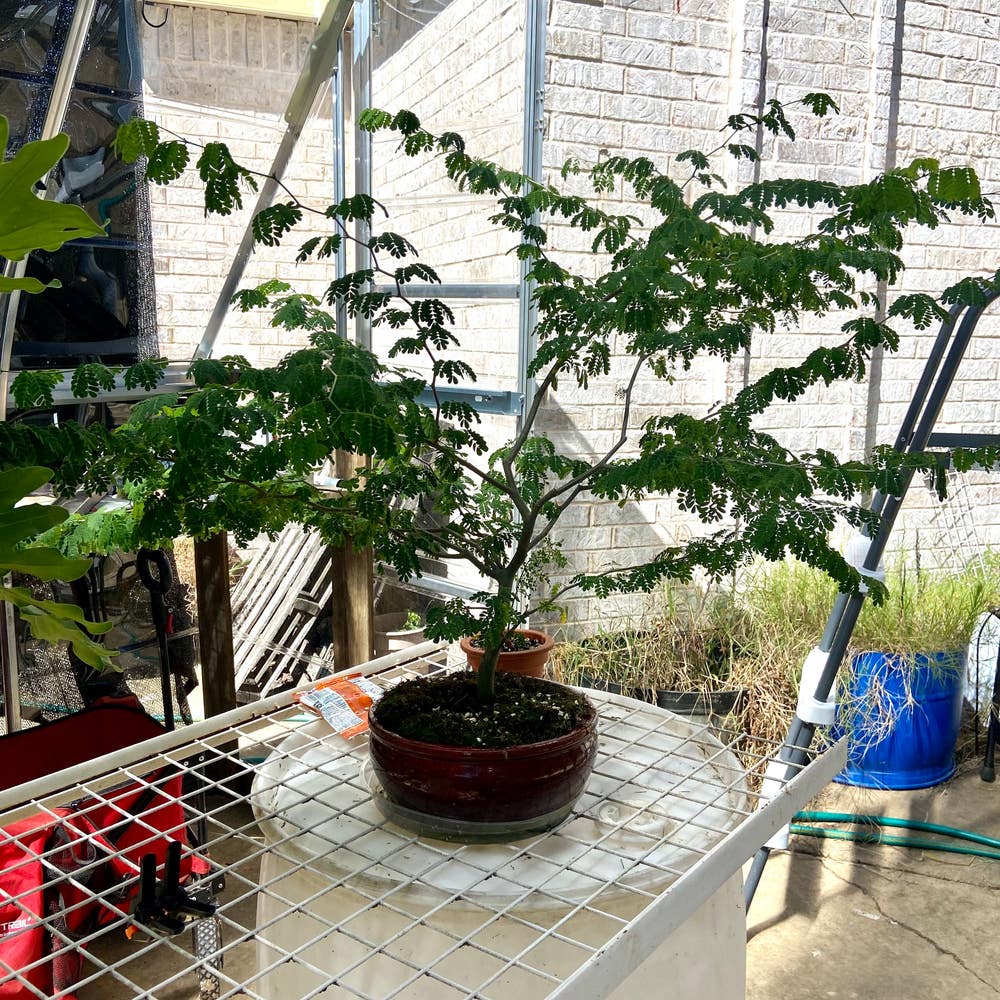
Best Tips for Dealing with Curling Leaves on Golden Raintree 🍃
Koelreuteria paniculata
By the Greg Editorial Team
Oct 18, 2024•6 min read
This article was created with the help of AI so we can cover more plants for you. May contain errors. See one? Report it here.
Revive your Golden Raintree 🌳 by mastering simple techniques to diagnose and treat curling leaves effectively!
- 🌱 Curling leaves indicate stress from pests, nutrients, or environmental factors.
- 💧 Overwatering or underwatering can cause wilting and curling. Test soil moisture regularly.
- 🐛 Pests like aphids cause leaf curling; use insecticidal soap for treatment.
Causes of Curling Leaves
🌡️ Environmental Stress Factors
High temperatures and low humidity can put significant stress on your Golden Raintree. Sudden weather changes, like drought or heavy rain, can also contribute to this issue.
Soil compaction is another culprit, affecting root health and nutrient uptake. Ensuring your tree has the right environment is crucial for its well-being.
🐞 Pest Infestations
Common Pests
Aphids are small, soft-bodied insects that suck sap from leaves, leading to curling. Spider mites, tiny arachnids, create fine webs and cause stippling on the foliage.
Signs of Infestation
Look for yellowing leaves and distorted growth as indicators of pest problems. Visible pests or webbing on the underside of leaves can confirm an infestation.
🥦 Nutrient Deficiencies
Key Nutrients
Nitrogen is essential for leaf growth; a deficiency can lead to yellowing and curling. Potassium is vital for overall tree health, and its lack can cause leaf edges to curl.
Symptoms of Deficiency
Stunted growth and poor foliage color are common signs of nutrient deficiencies. Regularly checking nutrient levels can help maintain your tree's health.
💧 Watering Issues
Overwatering
Symptoms of overwatering include wilting, yellowing leaves, and root rot. Poor soil drainage and excessive rainfall are often the main causes.
Underwatering
On the flip side, underwatering leads to dry, crispy leaves and curling. Infrequent watering or drought conditions can exacerbate this problem.
🍄 Fungal Infections and Diseases
Fungal issues like root rot and leaf spot diseases can also cause curling leaves. Symptoms include dark spots on leaves, wilting, and leaf drop.
High humidity and poor air circulation around the tree often contribute to these fungal problems. Keeping an eye on these factors can help you catch issues early.
Understanding these causes is the first step in addressing curling leaves effectively. Next, we'll explore how to diagnose these symptoms accurately.
Diagnosing Curling Leaves
Identifying Symptoms of Leaf Curl 🌿
Start with a visual inspection of your Golden Raintree. Look for curled, yellowing, or distorted leaves, as these are clear indicators of stress.
Next, assess any leaf drop. If leaves are curling and also falling, it’s a sign that something is seriously amiss.
Differentiating Between Pest and Environmental Causes 🐛
Check for visible pests on the leaves and stems. Aphids and spider mites can wreak havoc, so spotting them early is crucial.
Evaluate the environmental conditions as well. Recent weather changes, like sudden heat or heavy rain, can contribute to leaf curling.
Assessing Soil and Watering Conditions 💧
Conduct a soil moisture test to determine if the soil is overly saturated or too dry. This simple check can reveal a lot about your tree's health.
Finally, evaluate soil drainage. Proper drainage is essential to prevent root issues that can lead to curling leaves.
Treatment Options
🐞 Pest Control Methods
Dealing with pests is crucial for the health of your Golden Raintree. Here are two effective methods to combat infestations.
Insecticidal Soap
Insecticidal soap is a straightforward solution. Spray it directly on the affected areas every 7-14 days until you see a reduction in pests.
Neem Oil
Neem oil is another powerful option. Dilute it and spray on the leaves, especially the undersides, where pests often hide. This natural remedy acts as both a pesticide and fungicide, providing dual protection.
🌱 Nutrient Supplementation
Nutrient deficiencies can exacerbate leaf curling. Supplementing with the right fertilizers can help restore balance.
Fertilizers
Use a balanced NPK fertilizer, like 10-10-10. Follow the package instructions and apply it every 4-6 weeks during the growing season to keep your tree thriving.
💧 Adjusting Watering Practices
Watering is essential for maintaining leaf health. Establishing a consistent schedule can make a significant difference.
- Water deeply but infrequently to promote deep root growth.
- Consider using the Greg plant care app for AI-powered reminders to keep your watering on track.
🌿 Improving Soil Drainage
Proper soil drainage is vital for root health. Here are some strategies to enhance drainage.
- Amend your soil with organic matter, such as compost, to improve its structure.
- If necessary, consider raised beds or mounding soil around the root zone to facilitate better drainage.
By implementing these treatment options, you can effectively address the issues causing curling leaves on your Golden Raintree. Next, let’s explore preventive measures to keep your tree healthy and thriving.
Preventive Measures
Regular Monitoring for Pests 🐛
Keeping an eye on your Golden Raintree is crucial. Inspect leaves weekly for early signs of infestation, such as discoloration or distortion.
Using sticky traps can also help catch flying pests before they become a bigger problem. This proactive approach can save your tree from unnecessary stress.
Proper Watering Techniques 💧
Watering practices play a significant role in tree health. Aim to water deeply but infrequently, which encourages deep root growth.
Adjust your watering frequency based on seasonal changes and rainfall. This ensures your tree gets the moisture it needs without becoming waterlogged.
Soil Health Management 🌱
Healthy soil is the foundation of a thriving tree. Test your soil's pH and nutrient levels annually to ensure it meets your tree's needs.
If possible, rotate planting areas to prevent soil depletion. This simple step can enhance nutrient availability and promote better growth.
Seasonal Care Tips to Prevent Stress 🌦️
Seasonal care can make a big difference in your tree's resilience. Mulch around the base to retain moisture and regulate soil temperature.
Additionally, pruning dead or damaged branches improves air circulation. This helps prevent fungal infections and keeps your tree looking its best.
By implementing these preventive measures, you can significantly reduce the risk of curling leaves and other issues. A little attention goes a long way in maintaining the health and beauty of your Golden Raintree.
Next, let’s explore how to diagnose curling leaves effectively.
Post-Treatment Care
Monitoring Recovery of the Tree 🌳
After treatment, keep a close eye on your Golden Raintree. Observe the health of the leaves and the overall vigor of the tree to gauge its recovery.
Adjust your care practices based on how well the tree responds. If you notice improvements, continue with your current regimen; if not, reassess your approach.
Signs of Improvement in Leaf Health 🌱
Look for signs of new growth, such as fresh, healthy leaves emerging. This is a positive indicator that your tree is bouncing back.
Additionally, watch for reduced leaf curl and discoloration. These changes signal that your treatment is effective and the tree is regaining its strength.
Long-Term Care Strategies to Maintain Tree Health 🛠️
Regular monitoring for pests and diseases is crucial. Stay vigilant to catch any issues early before they escalate.
Maintain a balanced fertilization and watering schedule to support ongoing health. This consistency helps your tree thrive through various conditions.
Implement seasonal care practices to adapt to changing weather. Adjusting your approach based on the season can significantly enhance your tree's resilience.
By following these steps, you can ensure your Golden Raintree remains healthy and vibrant for years to come. Now, let’s explore preventive measures to keep your tree in top shape!
⚠️ Safety First
This content is for general information and may contain errors, omissions, or outdated details. It is not medical, veterinary advice, or an endorsement of therapeutic claims.
Always consult a qualified healthcare professional before using any plant as food, medicine, or supplement.
Never eat any plant (or feed one to pets) without confirming its identity with at least two trusted sources.
If you suspect poisoning, call Poison Control (800) 222-1222, the Pet Poison Helpline (800) 213-6680, or your local emergency service immediately.
Spotted an error? Please report it here.
Transform your Golden Raintree's curling leaves into lush growth 🌳 by using Greg's tailored care reminders and expert tips to keep your tree thriving!