⭐ 10 Tips for Fixing Flower Problems in Star Fruit
Averrhoa carambola
By the Greg Editorial Team
Sep 30, 2024•6 min read
This article was created with the help of AI so we can cover more plants for you. May contain errors. See one? Report it here.
Transform your star fruit tree 🌳 into a blooming powerhouse with these essential tips for vibrant flowers and fruit!
- 🌼 Identify bloom issues early to prevent delayed flowering in star fruit trees.
- 🌞 Ensure 6-8 hours of sunlight daily for optimal flower production and health.
- 🌱 Address nutritional deficiencies with proper fertilizers to enhance flower retention and growth.
Common Causes of Failure to Bloom
🌼 Identifying Failure to Bloom
Noticing a lack of flower buds or a delayed blooming season? These are clear signs that your star fruit tree may be struggling to produce flowers.
The impact of this failure can be significant, leading to reduced yield and compromised fruit quality. Understanding the underlying issues is crucial for a successful harvest.
🔍 Potential Causes
Environmental stress is a major culprit. Temperature fluctuations and humidity levels can disrupt the blooming process.
Insufficient sunlight exposure also plays a critical role. Star fruit trees thrive on light, and without it, their flowering can suffer.
Nutritional deficiencies can’t be overlooked either. A lack of essential nutrients can hinder the tree's ability to bloom effectively.
🌱 Solutions for Encouraging Blooming
To encourage blooming, ensure your tree gets adequate sunlight exposure. Aim for 6-8 hours of direct sunlight daily.
Next, monitor and adjust environmental conditions. Maintaining stable temperatures and humidity can make a world of difference.
Finally, fertilize appropriately. Use a balanced fertilizer enriched with micronutrients to support the blooming process.
By addressing these factors, you can help your star fruit tree flourish and produce beautiful flowers. This sets the stage for a bountiful fruit harvest.
Premature Flower Drop
Identifying Signs of Premature Flower Drop 🌼
Premature flower drop can be alarming for any star fruit grower. You may notice flowers wilting and falling off before they have a chance to set fruit, which typically occurs during critical growth phases.
Potential Causes ⚠️
Several factors can lead to this frustrating issue. Nutritional deficiencies, particularly a lack of potassium or phosphorus, can hinder flower retention.
Environmental stress, such as drought or excessive rainfall, also plays a significant role. Additionally, inadequate pollinator activity can prevent successful fertilization, leading to flower drop.
Remedies to Prevent Flower Drop 🛠️
To combat premature flower drop, start by improving soil nutrition. Conduct soil tests to identify deficiencies and amend as needed.
Next, focus on water management. Ensure your plants receive consistent moisture without the risk of waterlogging.
Lastly, enhance pollination by introducing pollinator-friendly plants nearby or consider hand-pollinating to boost fruit set.
By addressing these areas, you can significantly improve your chances of a fruitful harvest. Now, let’s explore how light exposure impacts flowering in star fruit trees.
Abnormal Flower Development
Characteristics of Abnormal Flower Development 🌼
Abnormal flower development can manifest as deformed flowers, unusual colors, or unexpected sizes. These irregularities can significantly impact fruit quality, leading to poor fruit set and diminished overall yield.
Factors Contributing to Abnormal Flowers 🌪️
Several factors can contribute to these abnormalities. Environmental stress, such as extreme temperatures or humidity, often plays a crucial role. Additionally, nutritional imbalances, particularly excess nitrogen, can lead to excessive vegetative growth at the expense of flowering.
Solutions for Normalizing Flower Development 🌱
To encourage healthy flower development, consider the following strategies:
Adjust Nutrient Ratios: Use fertilizers that have lower nitrogen and higher phosphorus content. This shift supports blooming rather than leafy growth.
Monitor Environmental Conditions: Protect your star fruit trees from extreme weather. Consistent conditions help maintain healthy growth.
Regularly Inspect for Pests: Keep an eye out for pests that may harm flower health. Address any infestations promptly to ensure robust blooms.
By implementing these solutions, you can help restore normal flower development and improve your star fruit yield. Next, let’s explore how light exposure affects flowering and what you can do to optimize it.
Impact of Light on Flowering
🌞 Importance of Adequate Sunlight for Flowering
Light is crucial for photosynthesis, which fuels flower production. The amount of sunlight your star fruit tree receives directly influences its blooming cycle.
🚫 Signs of Insufficient Light
If you notice leggy growth or sparse flowering, your tree may not be getting enough light. These symptoms are often most apparent during the growing season when plants are actively trying to bloom.
🌅 Adjusting Light Exposure for Optimal Blooming
To enhance light exposure, consider these simple strategies:
- Prune surrounding vegetation: Trim back any plants that block sunlight from reaching your star fruit tree.
- Relocate potted trees: If your tree is in a pot, move it to a sunnier spot to maximize light exposure.
- Use reflective surfaces: Position reflective materials nearby to bounce light onto your tree, increasing its overall light availability.
By ensuring your star fruit tree gets the right amount of sunlight, you can significantly improve its blooming potential. This proactive approach not only enhances flower production but also sets the stage for a fruitful harvest.
Next, let’s explore the nutritional needs essential for healthy flowering.
Nutritional Needs for Flowering
🌱 Key Nutrients for Healthy Flower Development
To achieve vibrant blooms on your star fruit trees, focus on essential nutrients like potassium, phosphorus, and magnesium. These elements are crucial for flower development and overall plant health.
Micronutrients such as zinc and iron also play a significant role. They support various physiological processes, ensuring your plants thrive and produce quality flowers.
⚠️ Signs of Nutritional Deficiencies
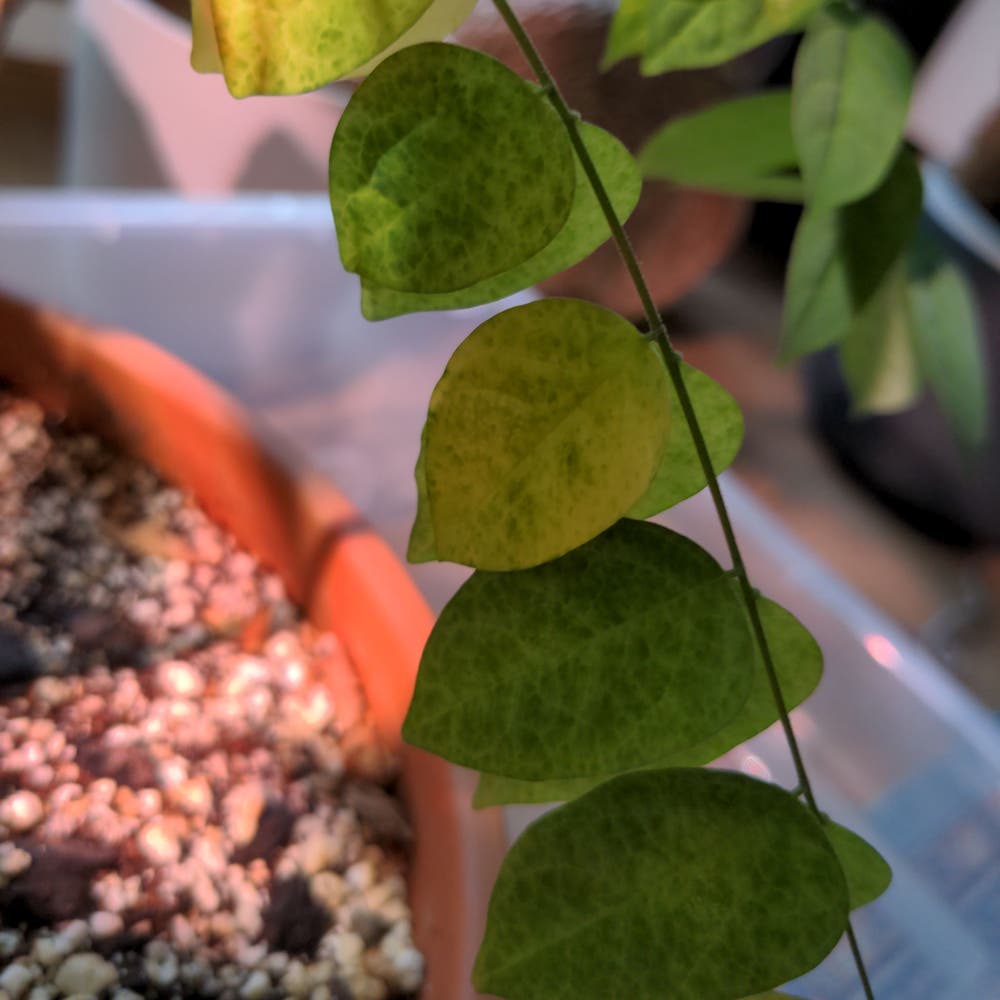
Watch for symptoms like yellowing leaves and poor flower set, which indicate nutritional deficiencies. These signs often emerge during critical growth phases, signaling that your plants need immediate attention.
🌼 Fertilization Strategies to Enhance Flowering
- Use slow-release fertilizers: Apply these during the growing season for consistent nutrient availability.
- Foliar feeding: Spraying nutrient solutions directly on leaves allows for quick absorption, giving your plants an instant boost.
- Schedule fertilization: Aim to fertilize every 4-6 weeks during active growth to keep your plants nourished and ready to bloom.
By addressing nutritional needs effectively, you can enhance flowering and ensure a bountiful harvest. Next, let’s explore the importance of pruning techniques for better flowering in your star fruit trees.
Pruning Techniques for Better Flowering
🌳 Best Practices for Pruning Star Fruit Trees
Pruning your star fruit tree is essential for promoting healthy flowering. The best time to prune is during the dormant season or right after harvest.
To improve airflow and light penetration, remove any dead or crossing branches. This not only enhances the tree's health but also encourages more blooms.
⏰ Timing and Methods for Effective Pruning
- Assess tree structure: Take a good look at your tree to identify areas that need thinning.
- Use clean, sharp tools: This prevents the spread of diseases and ensures clean cuts.
- Follow a systematic approach: Start from the bottom and work your way up for the best results.
By following these steps, you can ensure that your star fruit tree remains healthy and vibrant.
🌼 How Pruning Affects Flower Production
Pruning significantly impacts light penetration, which is crucial for flowering. When light reaches the inner branches, it enhances flower visibility and access to sunlight.
Additionally, effective pruning encourages new growth. This new growth is often where the healthiest blooms will emerge in the following seasons, leading to a more fruitful harvest.
With these pruning techniques, you're well on your way to a thriving star fruit tree that produces abundant flowers and fruit. Next, let’s explore how light exposure plays a vital role in flowering.
⚠️ Safety First
This content is for general information and may contain errors, omissions, or outdated details. It is not medical, veterinary advice, or an endorsement of therapeutic claims.
Always consult a qualified healthcare professional before using any plant as food, medicine, or supplement.
Never eat any plant (or feed one to pets) without confirming its identity with at least two trusted sources.
If you suspect poisoning, call Poison Control (800) 222-1222, the Pet Poison Helpline (800) 213-6680, or your local emergency service immediately.
Spotted an error? Please report it here.
Boost your star fruit blooms with proactive care 🌼—let Greg guide you with tailored reminders and nutrient tips for a thriving garden!