How to Cure Leaves Falling Over on Your Starfruit ⭐️
Averrhoa carambola
By the Greg Editorial Team
Nov 26, 2024•6 min read
This article was created with the help of AI so we can cover more plants for you. May contain errors. See one? Report it here.
Revive your starfruit tree's health 🌱 with essential tips to prevent leaf drop and ensure vibrant growth!
- 🌡️💧 Starfruit thrives in 20-30°C and 50-70% humidity to prevent leaf drop.
- 🚫💧 Overwatering causes root rot, a common reason for leaves falling over.
- 🌱🔍 Regular soil testing and balanced fertilizers ensure nutrient levels for healthy foliage.
Causes of Leaf Dropping
🌡️ Environmental Stress Factors
Temperature extremes can wreak havoc on your starfruit tree. Ideally, it thrives in temperatures between 20°C to 30°C (68°F to 86°F).
Humidity is another critical factor; your starfruit needs high humidity levels of 50-70%. Low humidity can lead to leaf drop, leaving your plant looking sad.
Watering issues are common culprits as well. Overwatering can cause root rot, with telltale signs like yellowing leaves and wilting.
Soil drainage plays a vital role in your plant's health. Well-draining soil is essential to prevent waterlogging, which can suffocate roots.
🥦 Nutrient Deficiencies
Key nutrients like potassium and magnesium are crucial for maintaining healthy leaves. A deficiency in potassium can lead to yellowing leaf edges and eventual leaf drop.
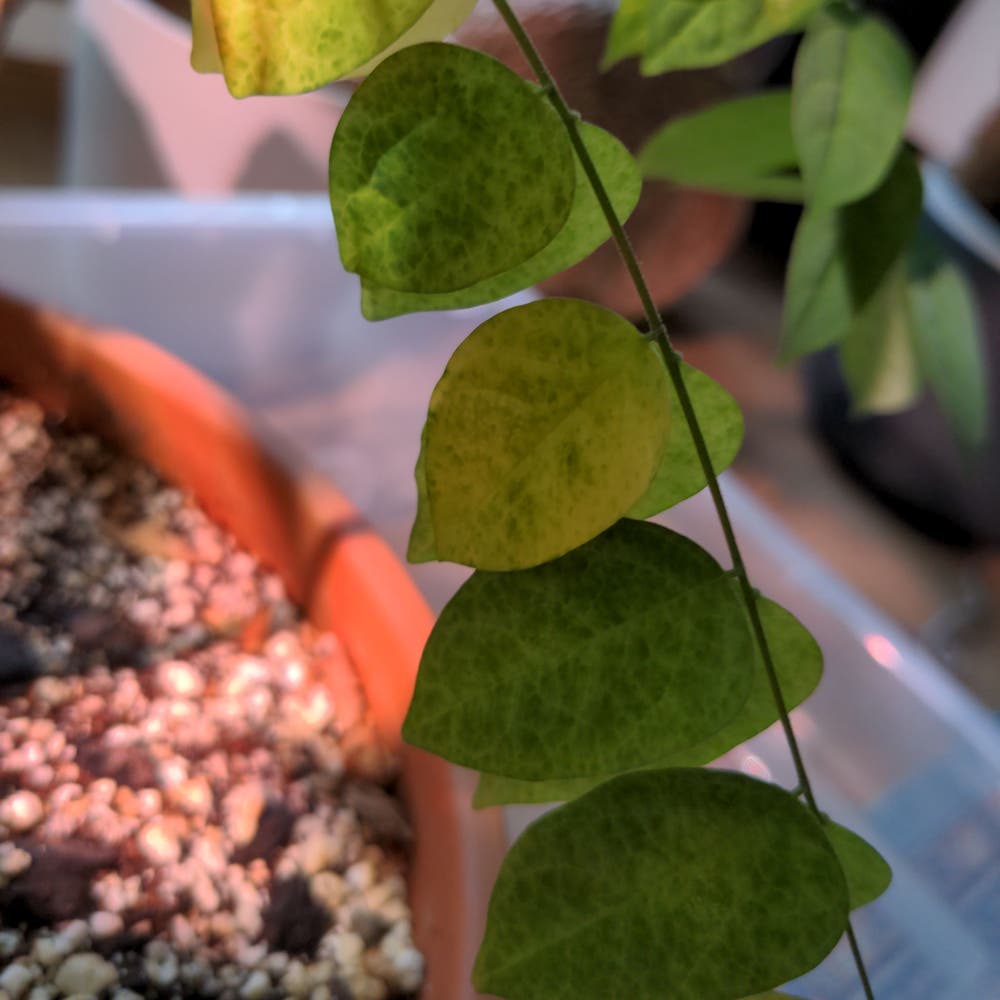
Magnesium deficiency presents itself as interveinal chlorosis, where the area between leaf veins turns yellow. Regular soil testing is essential to monitor these nutrient levels and keep your starfruit thriving.
🐛 Pest Infestations
Pests can be a significant threat to your starfruit's health. Common offenders include aphids, which cause curled leaves and leave a sticky residue.
Spider mites are another concern, showing up as fine webbing and stippled leaves. These pests weaken your plant, making it more susceptible to leaf drop.
Regular inspections are key to early detection. Keeping an eye out for these pests can save your starfruit from serious damage.
🦠 Disease Issues
Diseases can also lead to leaf dropping. Root rot, often caused by overwatering, presents symptoms like wilting and leaf drop.
Fungal infections can manifest as leaf spots and blight, further compromising your plant's health. Effective disease management is crucial to prevent the spread and maintain your starfruit's vitality.
Understanding these causes is the first step toward a healthier starfruit tree. Next, we’ll dive into diagnosing leaf problems to better understand how to address these issues.
Diagnosing Leaf Problems
🌿 Identifying Symptoms of Leaf Droop
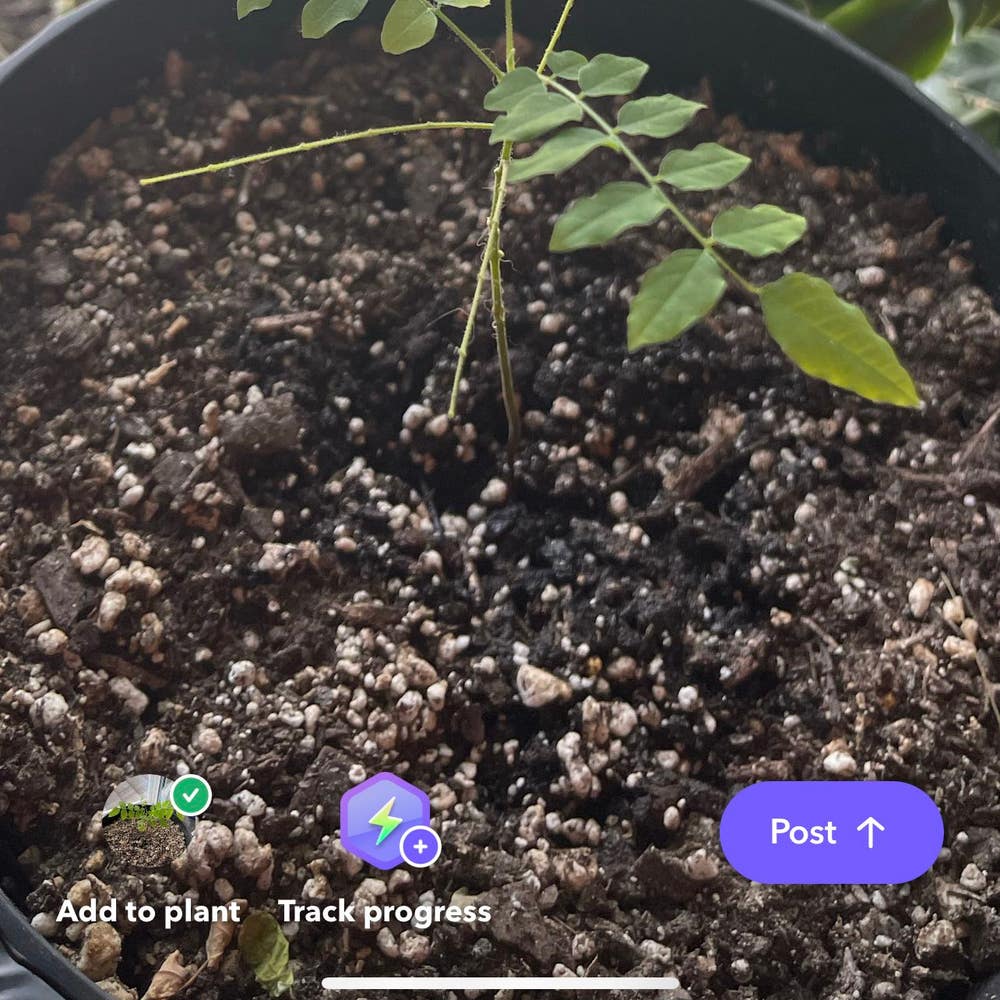
When your starfruit leaves start drooping, it's crucial to identify the underlying causes. Look for visual signs such as drooping leaves, which can indicate stress from environmental factors or improper care.
Color changes are also significant. Yellowing or browning leaves often signal nutrient deficiencies or watering issues.
⏰ Timing of Symptoms
Seasonal variations can affect leaf health. For instance, during the hot summer months, you may notice more drooping due to heat stress, while cooler temperatures in winter can lead to other issues.
🌱 Assessing Soil and Water Conditions
Understanding your soil and water conditions is vital for diagnosing leaf problems. Start with soil moisture testing; you can use a simple finger test or a moisture meter to check how wet your soil is.
Next, assess drainage. Proper drainage is essential to prevent root issues that can lead to leaf drop. If water pools around the roots, it can cause serious damage.
💧 Watering Frequency
Maintaining optimal moisture levels is key. A general guideline is to water when the top inch of soil feels dry. Adjust your watering frequency based on weather conditions and the plant's growth stage.
By closely monitoring these factors, you can effectively diagnose and address leaf drooping in your starfruit. This proactive approach sets the stage for healthier plants and a more fruitful harvest.
Next, we’ll explore treatment and prevention strategies to keep your starfruit thriving.
Treatment and Prevention Strategies
🌊 Adjusting Watering Practices
Establishing a consistent watering schedule is crucial for your starfruit tree's health. Aim to water deeply once a week, adjusting based on rainfall and temperature.
Recognizing the signs of overwatering or underwatering can save your plant from stress. Yellowing leaves often indicate overwatering, while wilting suggests it’s time for a drink.
Consider using the Greg plant care app to set reminders tailored to your starfruit's needs. This handy tool can help you stay on track with your watering routine.
🌱 Fertilization Techniques
For optimal growth, use balanced NPK fertilizers that include potassium and magnesium. These nutrients are vital for leaf health and overall vigor.
Timing is everything when it comes to fertilization. Apply fertilizers every 6-8 weeks during the growing season to ensure your starfruit gets the nutrients it craves.
Proper application methods are essential to avoid root burn. Always follow the instructions on the fertilizer package and consider diluting it in water for even distribution.
🐛 Pest Control Methods
Organic pest control options like neem oil and insecticidal soap can effectively manage common pests. These methods are gentle on your plant while still delivering results.
If pests persist, chemical treatments may be necessary. Use them as a last resort and always follow safety guidelines to protect your plant and the environment.
Preventative measures are key to keeping pests at bay. Encourage beneficial insects and consider companion planting to create a balanced ecosystem around your starfruit.
🦠 Disease Management Approaches
Early identification of diseases is crucial for effective management. Regular monitoring of your plant can help catch issues before they escalate.
For root rot and fungal infections, soil amendments and fungicides can be effective treatments. Ensure you follow application guidelines to maximize their effectiveness.
Implementing preventative practices like crop rotation and maintaining plant hygiene can significantly reduce disease risk. A little diligence goes a long way in keeping your starfruit healthy.
With these treatment and prevention strategies in place, you're well on your way to nurturing a thriving starfruit tree. Next, let’s explore the best practices for ongoing starfruit care to ensure long-term success.
Best Practices for Starfruit Care
🌱 Optimal Growing Conditions
To ensure your starfruit thrives, start with the right soil. Aim for well-draining, fertile soil with a pH between 5.5 and 6.5 to promote healthy root development.
Sunlight is crucial for growth. Your starfruit tree needs full sun exposure for 6 to 8 hours daily to produce vibrant leaves and fruit.
Temperature and humidity also play significant roles. Maintain a warm environment, ideally between 20°C to 30°C (68°F to 86°F), and ensure humidity levels are high, ideally between 50% and 70%.
✂️ Regular Maintenance Routines
Regular pruning is essential for maintaining air circulation and overall plant health. Trim back any dead or overcrowded branches to encourage new growth and prevent disease.
Keep an eye on your starfruit for signs of stress. Monitor leaf health and overall vigor to catch any issues early, ensuring your plant remains robust.
🔍 Monitoring Plant Health
Conduct regular inspections to assess your plant's health effectively. Look for any changes in leaf color, droopiness, or other signs that may indicate stress.
Keeping records of your plant's health and care practices is vital. Documenting changes helps you identify patterns and adjust your care routine accordingly.
Utilize technology to stay on top of your starfruit's needs. Apps can provide reminders for watering and monitoring conditions, making plant care more manageable and efficient.
By following these best practices, you can cultivate a thriving starfruit tree that rewards you with lush foliage and delicious fruit. Next, let’s explore effective treatment and prevention strategies for common issues that may arise.
⚠️ Safety First
This content is for general information and may contain errors, omissions, or outdated details. It is not medical, veterinary advice, or an endorsement of therapeutic claims.
Always consult a qualified healthcare professional before using any plant as food, medicine, or supplement.
Never eat any plant (or feed one to pets) without confirming its identity with at least two trusted sources.
If you suspect poisoning, call Poison Control (800) 222-1222, the Pet Poison Helpline (800) 213-6680, or your local emergency service immediately.
Spotted an error? Please report it here.
Keep your starfruit tree healthy and leafy 🍈 by using Greg's tailored watering alerts and nutrient tracking to ensure a thriving harvest!