⭐ Step-by-Step Guide to Repotting Starfruit
Averrhoa carambola
By the Greg Editorial Team
Nov 26, 2024•6 min read
This article was created with the help of AI so we can cover more plants for you. May contain errors. See one? Report it here.
Unlock your starfruit's potential 🌟 by mastering the signs it needs repotting for vibrant growth and fruit! 🌱
- 🌱 Signs to repot include roots out of drainage holes and yellowing leaves.
- 🌼 Best time to repot is spring, aligning with the starfruit's growth phase.
- 🪴 Choose a pot 2-4 inches larger for optimal growth and drainage.
Signs That Repotting is Needed
Recognizing when your starfruit tree needs repotting is crucial for its health and productivity. Here are the key indicators to watch for.
🌱 Root Bound Indicators
One of the first signs that your plant is root bound is when roots start growing out of the drainage holes. This means the roots have filled the pot and are looking for more space.
Another indicator is when you notice roots circling the pot's interior. This can lead to stunted growth, even if you’re providing proper care.
🏺 Soil Condition Indicators
Pay attention to the soil condition as well. If the soil dries out too quickly after watering, it may indicate that the roots are taking up all the moisture.
Additionally, poor drainage can lead to water pooling at the surface, which is a sign that the soil is no longer effective.
🌿 Plant Health Indicators
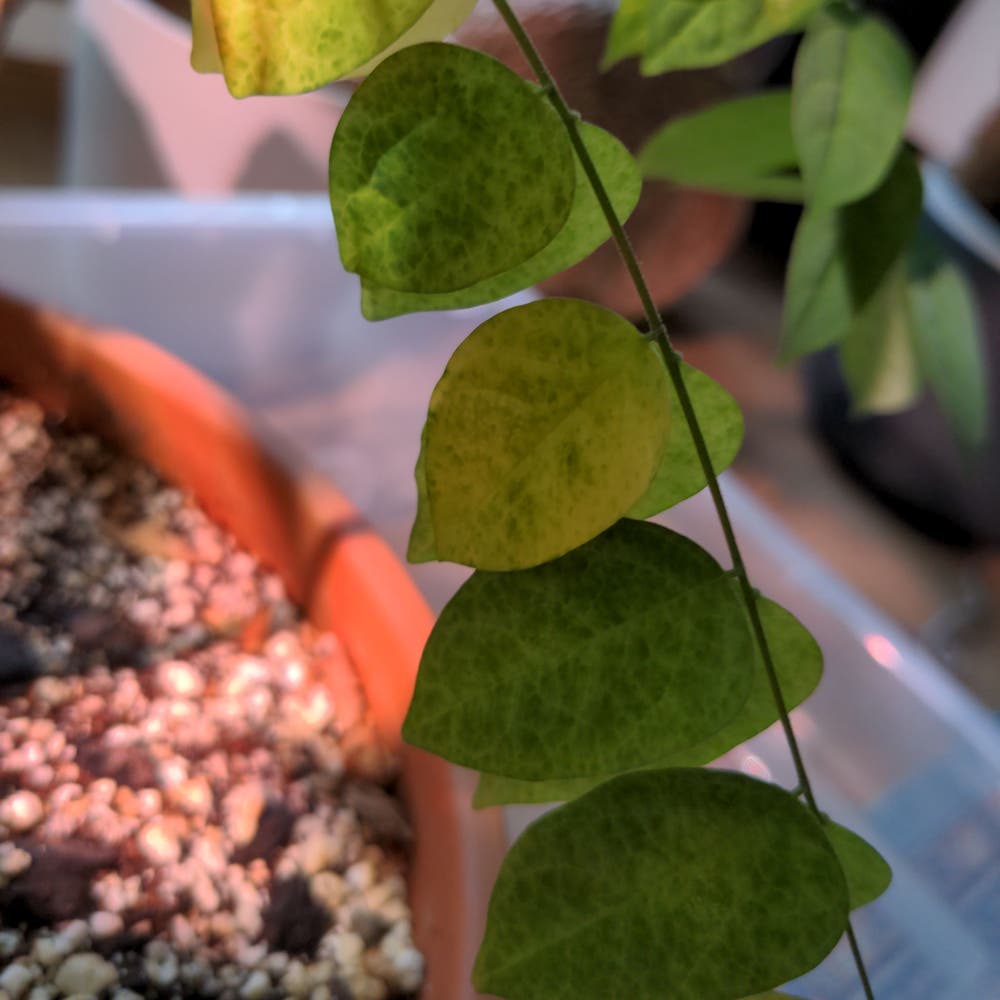
Your starfruit's health can also signal the need for repotting. Yellowing leaves or leaf drop are clear signs that something is off.
Lastly, if you notice reduced fruit production or smaller fruit sizes, it may be time to give your plant a new home.
By keeping an eye on these indicators, you can ensure your starfruit thrives and continues to produce delicious fruit. Next, let’s explore the best time to repot your starfruit for optimal results.
Best Time to Repot
🌱 Seasonal Considerations
Spring is the golden time for repotting your starfruit tree. This season, just before the growing season kicks in, provides the ideal conditions for your plant to thrive.
Avoid repotting during extreme temperatures, whether the sweltering heat of summer or the biting cold of winter. These conditions can stress your plant, making it harder for it to adapt to its new environment.
📈 Growth Cycle Awareness
Timing your repotting with your plant's active growth phase can significantly enhance its recovery. When you repot during this period, your starfruit tree can bounce back faster and continue to flourish.
Additionally, consider aligning your repotting with the flowering or fruiting cycles. This minimizes disruption and allows your plant to focus on producing those delicious starfruits without unnecessary stress.
With the right timing, your starfruit will be set up for success, ready to grow and produce abundantly. Next, let’s dive into the step-by-step process of repotting to ensure your plant gets the best care possible.
Step-by-Step Repotting Process
Repotting your starfruit plant can seem daunting, but with the right approach, it can be a rewarding experience. Follow these steps to ensure your plant thrives in its new home.
1. Prepare the New Pot 🌱
Start by selecting a pot that is 2-4 inches larger in diameter than the current one. Make sure it has adequate drainage holes to prevent water from pooling.
2. Select the Right Potting Soil 🌿
Choose a well-draining potting mix that is suitable for tropical plants. This will provide the necessary nutrients while allowing excess water to escape.
3. Remove the Plant from Its Current Pot 🌍
Gently loosen the soil around the edges of the pot. Carefully lift the plant, supporting both the base and root system to avoid damage.
4. Inspect the Root System 🔍
Take a moment to examine the roots. Trim any damaged or overly long roots, and loosen any tightly bound roots to promote healthy growth.
5. Place the Plant in the New Pot 🪴
Position the plant at the same depth as it was in the previous pot. Fill in with fresh potting soil, ensuring there are no air pockets that could hinder root development.
6. Water Thoroughly 💧
Water the plant until excess drains from the bottom of the pot. Allow it to settle for a few days before resuming your normal care routine.
Repotting can be a transformative experience for your starfruit plant, setting it up for future growth and fruit production. Next, let’s explore the best pot materials to enhance your plant’s environment.
Pot Material Options
Choosing the right pot material is crucial for the health of your starfruit plant. Each option comes with its own set of advantages and disadvantages.
🥤 Plastic
Plastic pots are a popular choice among gardeners.
- Pros: They are lightweight, provide good drainage, and are affordable.
- Cons: However, they are less breathable and can retain heat, which might stress the roots.
🍂 Clay
Clay pots offer a more traditional option for plant lovers.
- Pros: They are breathable and provide excellent moisture regulation.
- Cons: On the downside, clay pots are heavy and can crack in freezing temperatures.
🎨 Ceramic
Ceramic pots can add a touch of elegance to your plant display.
- Pros: They are aesthetically pleasing and provide good insulation for roots.
- Cons: However, they tend to be heavy, can be expensive, and may lack drainage holes.
⚙️ Metal
Metal pots bring a modern flair to your gardening setup.
- Pros: They are durable and offer a sleek look.
- Cons: Yet, they can heat up quickly and may rust over time, which can be detrimental to your plant.
🏆 Recommended Materials
For optimal growth and health of your starfruit, consider using clay or plastic pots with drainage holes. These materials strike a balance between moisture control and root health, ensuring your plant thrives.
With the right pot material selected, you’re one step closer to creating a nurturing environment for your starfruit. Next, let’s dive into drainage and soil considerations to further enhance your repotting success.
Drainage and Soil Considerations
Choosing the Right Pot Size 🌱
When repotting your starfruit, it's essential to choose the right pot size. The general rule is to increase the pot diameter by 2-4 inches to promote healthy growth.
Consider the growth habits of specific cultivars as well. Some varieties may require more space than others, so it's worth doing a little research to ensure optimal conditions.
Importance of Drainage 🚰
Proper drainage is crucial for the health of your starfruit plant. Its shallow root system demands excellent drainage to prevent root rot, which can be detrimental to its growth.
Always avoid pots without drainage holes. These can lead to water pooling, which suffocates roots and creates an unhealthy environment.
Techniques for Ensuring Proper Drainage 🛠️
To enhance drainage, consider using a layer of gravel or stones at the bottom of the pot. This simple technique helps facilitate water flow and prevents soil from clogging the drainage holes.
Incorporating perlite or sand into your potting mix can also improve drainage. These materials create air pockets, allowing excess moisture to escape and ensuring your starfruit thrives.
With these drainage and soil considerations in mind, you’ll set your starfruit up for success. Next, let’s explore the various pot material options that can further enhance your plant's growth environment.
⚠️ Safety First
This content is for general information and may contain errors, omissions, or outdated details. It is not medical, veterinary advice, or an endorsement of therapeutic claims.
Always consult a qualified healthcare professional before using any plant as food, medicine, or supplement.
Never eat any plant (or feed one to pets) without confirming its identity with at least two trusted sources.
If you suspect poisoning, call Poison Control (800) 222-1222, the Pet Poison Helpline (800) 213-6680, or your local emergency service immediately.
Spotted an error? Please report it here.
Repotting your starfruit tree is a breeze 🌱 when you recognize the signs and timing, and with Greg's tailored care reminders, you'll keep your plant thriving in its new home!