Ultimate Guide to Winter Care for Starfruit ⭐
Averrhoa carambola
By the Greg Editorial Team
Nov 26, 2024•6 min read
This article was created with the help of AI so we can cover more plants for you. May contain errors. See one? Report it here.
Ensure your Starfruit thrives this winter with essential care tips for a vibrant spring! 🌱❄️
- ❄️ Frost protection is crucial for Starfruit in colder climates to prevent damage.
- 🌱 Adjust watering to every 2-3 weeks during winter for dormant Starfruit plants.
- 🌿 Use slow-release fertilizers with lower nitrogen for winter feeding to support growth.
Winter Care Techniques
❄️ Frost Protection Methods
Frost protection is crucial for Starfruit plants in colder climates. A sudden drop in temperature can damage leaves and fruit, so implementing effective protection methods is essential.
To shield your Starfruit from frost, consider covering them with frost cloths or blankets. These materials trap heat and create a protective barrier against cold air.
Another effective technique is using heat lamps or string lights to provide warmth during chilly nights. This method not only keeps the plants warm but also adds a cozy glow to your garden.
Creating windbreaks with burlap or fencing can also help reduce the chilling effects of wind. By blocking cold gusts, you can create a more stable microclimate for your plants.
💧 Adjusting Watering Schedules During Winter
During winter, Starfruit plants enter a dormant phase, leading to changes in their water needs. It's important to adjust your watering schedule accordingly.
Aim to water your Starfruit every 2-3 weeks during this period. This frequency helps prevent overwatering, which can be detrimental to the plant's health.
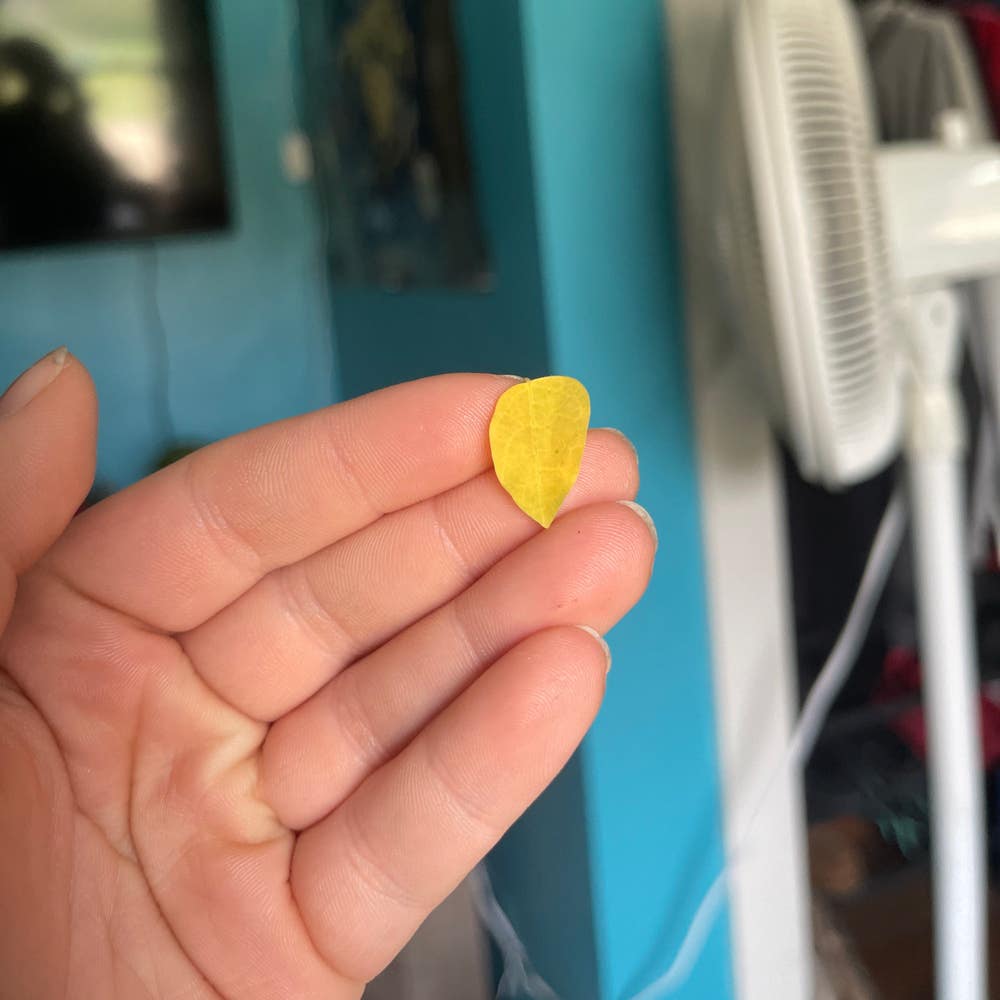
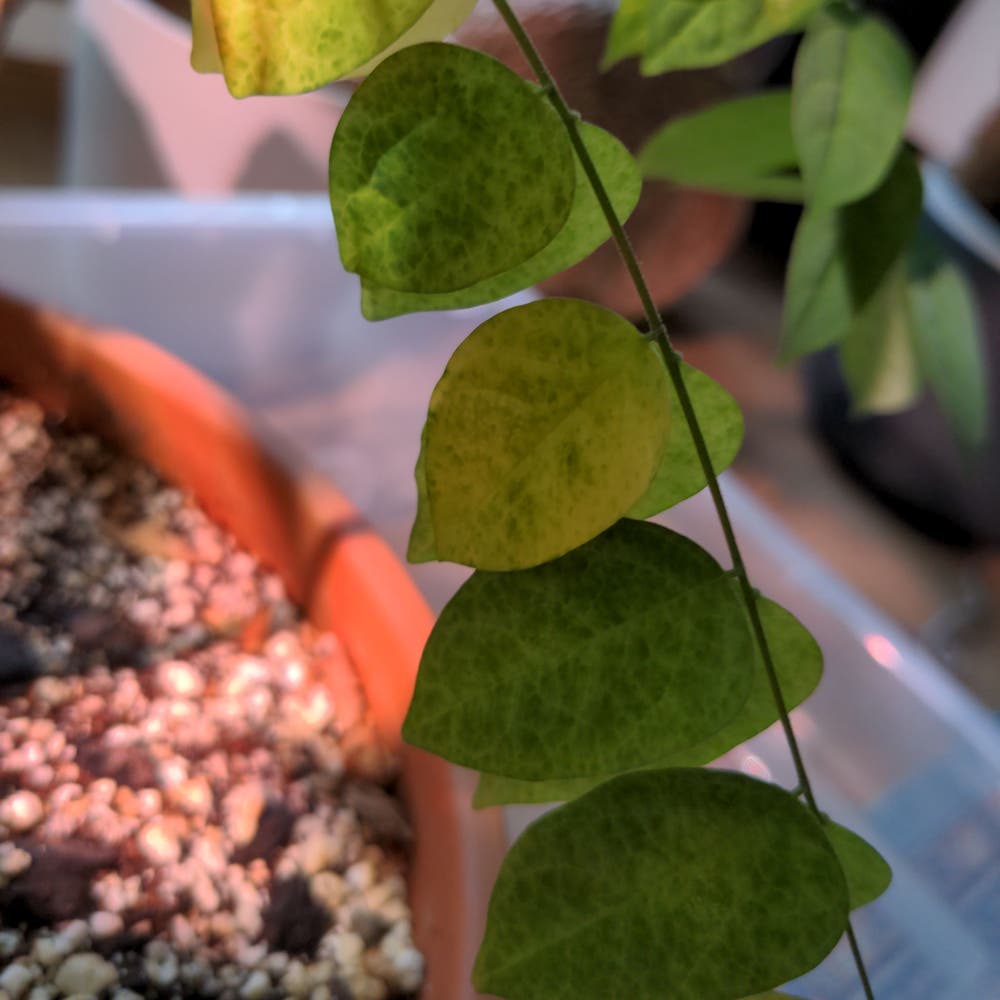
Watch for signs of overwatering, such as yellowing leaves or wilting. These symptoms indicate that your plant may be receiving too much water, so adjust your schedule as needed.
🌱 Fertilizing in Winter Months
Fertilization during winter should be approached with caution. As Starfruit plants are dormant, their nutrient requirements are significantly reduced.
Opt for slow-release fertilizers with lower nitrogen content for winter feeding. These fertilizers provide essential nutrients without overwhelming the plant.
Organic options like compost or well-rotted manure are also excellent choices. They enrich the soil naturally and support healthy growth when the plant resumes activity in spring.
🏡 Indoor Care for Starfruit Plants
If you're bringing your Starfruit indoors for the winter, specific conditions are necessary for optimal growth. The ideal temperature range is between 60°F to 75°F (15°C to 24°C).
Bright, indirect light is essential for indoor Starfruit plants. Position them near a window where they can receive ample light without direct sun exposure.
Transitioning your Starfruit indoors should be gradual. This acclimatization helps the plant adjust to the new environment without shock.
Additionally, monitor humidity levels to prevent leaf drop. Maintaining a humid environment can be beneficial, especially in dry indoor conditions.
With these winter care techniques, your Starfruit plants will thrive even in the coldest months. As you prepare for spring, understanding the signs of recovery from winter damage will be crucial.
Spring Preparation
Signs of Recovery from Winter Damage 🌱
As winter fades, look for signs that your Starfruit is bouncing back. New leaf growth and the emergence of flower buds are strong indicators of healthy recovery.
Keep an eye out for lingering frost damage, which may manifest as brown or wilted leaves. Addressing these issues early can help your plant thrive as it enters the growing season.
Pruning Techniques for Spring Growth ✂️
Timing is crucial when it comes to pruning your Starfruit. Wait until after the last frost to ensure your plant is ready for a fresh start.
When pruning, focus on removing dead or damaged branches. This not only promotes healthier growth but also shapes the plant for better air circulation and light penetration.
Transitioning Back Outdoors ☀️
Once the frost has passed, it's time to transition your Starfruit back outdoors. Gradual exposure to sunlight and temperature changes is essential for a smooth acclimation.
Timing is key; ensure you wait until after the last frost date for your region. This careful approach will help your Starfruit thrive in its outdoor environment once again.
Common Winter Problems and Solutions
🌨️ Identifying Frost Damage
Frost can wreak havoc on your Starfruit plants, leaving behind telltale signs of distress. Look for symptoms like discoloration and leaf drop, which indicate that your plants have been affected by cold temperatures.
To assess the extent of the damage, examine both branches and foliage. While leaves may show immediate signs of frostbite, branches can also suffer, leading to long-term health issues if not addressed promptly.
❄️ Addressing Cold Hardiness Issues
Understanding the cold hardiness levels of different Starfruit varieties is crucial for successful winter care. Some varieties are more resilient to cold than others, so knowing your plant's specific needs can help you make informed decisions.
When selecting Starfruit cultivars for future planting, consider choosing cold-hardy options. This proactive approach can save you from potential heartbreak during harsh winters.
💧 Solutions for Overwatering or Underwatering
Watering issues can be a common problem during winter months. Signs of overwatering include root rot and mushy roots, which can quickly lead to plant decline.
On the other hand, underwatering manifests as dry, crispy leaves. To maintain a healthy balance, adjust your watering practices based on the temperature and humidity levels in your environment. Regularly check the soil moisture to ensure your Starfruit gets just the right amount of water.
With these insights, you can tackle common winter challenges head-on, ensuring your Starfruit thrives even in the coldest months. Next, let’s explore the essential tools and products that can aid in your winter care routine.
Tools and Products for Winter Care
🌨️ Recommended Frost Protection Products
Frost protection is essential for keeping your Starfruit healthy during winter. One effective option is frost cloth, which comes in various thicknesses and can trap heat while allowing moisture and light to penetrate.
When selecting frost cloth, look for breathable materials that provide adequate insulation without suffocating your plants. Heat lamps are another great tool; they can provide warmth on particularly cold nights. Position them carefully to avoid overheating and ensure they cover the plants evenly.
❄️ Best Fertilizers for Winter Feeding
During winter, your Starfruit's nutritional needs change. Opt for slow-release fertilizers that are lower in nitrogen to support your plants without overstimulating growth.
Brands like Osmocote and Miracle-Gro offer reliable slow-release options. For those who prefer organic solutions, compost or well-rotted manure can enrich the soil while promoting healthy growth during dormancy.
🏠 Tools for Indoor Care and Monitoring
If you’re bringing your Starfruit indoors, having the right tools is crucial. A humidity monitor will help you maintain optimal moisture levels, preventing leaf drop and other issues.
Soil moisture meters are also invaluable, allowing you to gauge when to water accurately. Additionally, choose pots with good drainage to prevent root rot, ensuring your Starfruit thrives indoors throughout the winter months.
As you prepare for the winter season, these tools and products will help you care for your Starfruit effectively. Next, let’s explore how to identify signs of recovery from winter damage as spring approaches.
⚠️ Safety First
This content is for general information and may contain errors, omissions, or outdated details. It is not medical, veterinary advice, or an endorsement of therapeutic claims.
Always consult a qualified healthcare professional before using any plant as food, medicine, or supplement.
Never eat any plant (or feed one to pets) without confirming its identity with at least two trusted sources.
If you suspect poisoning, call Poison Control (800) 222-1222, the Pet Poison Helpline (800) 213-6680, or your local emergency service immediately.
Spotted an error? Please report it here.
Keep your Starfruit thriving through winter ❄️ with Greg's tailored care reminders and tips to protect it from frost and ensure it bounces back beautifully in spring!