Best Tips for Dropping Leaves on Starfruit 🍈
Averrhoa carambola
By the Greg Editorial Team
Nov 26, 2024•6 min read
This article was created with the help of AI so we can cover more plants for you. May contain errors. See one? Report it here.
Transform your starfruit tree's health 🌱 by uncovering the secrets to preventing leaf drop and thriving foliage!
- 🌡️ Starfruit trees thrive in 20°C to 30°C; humidity is key to prevent leaf drop.
- ☀️ Insufficient sunlight (less than 6 hours) can cause leaf drop; ensure adequate exposure.
- 💧 Proper watering is essential; both over and underwatering stress trees, leading to leaf loss.
Causes of Leaf Drop
🌪️ Environmental Stress Factors
Starfruit trees are sensitive to their environment. Temperature fluctuations can be detrimental; they thrive best in a range of 20°C to 30°C (68°F to 86°F).
Humidity plays a crucial role as well. These trees prefer high humidity, and low levels can lead to significant stress.
☀️ Light Exposure and Watering Issues
Light exposure is another critical factor. If your starfruit tree receives less than 6 hours of sunlight daily, it may experience leaf drop.
Watering practices also matter. Overwatering can lead to root rot, while underwatering causes stress, both resulting in leaf loss.
🥦 Nutrient Deficiencies
Nutrient deficiencies can significantly impact leaf health. Key nutrients like potassium and magnesium are essential for vibrant foliage.
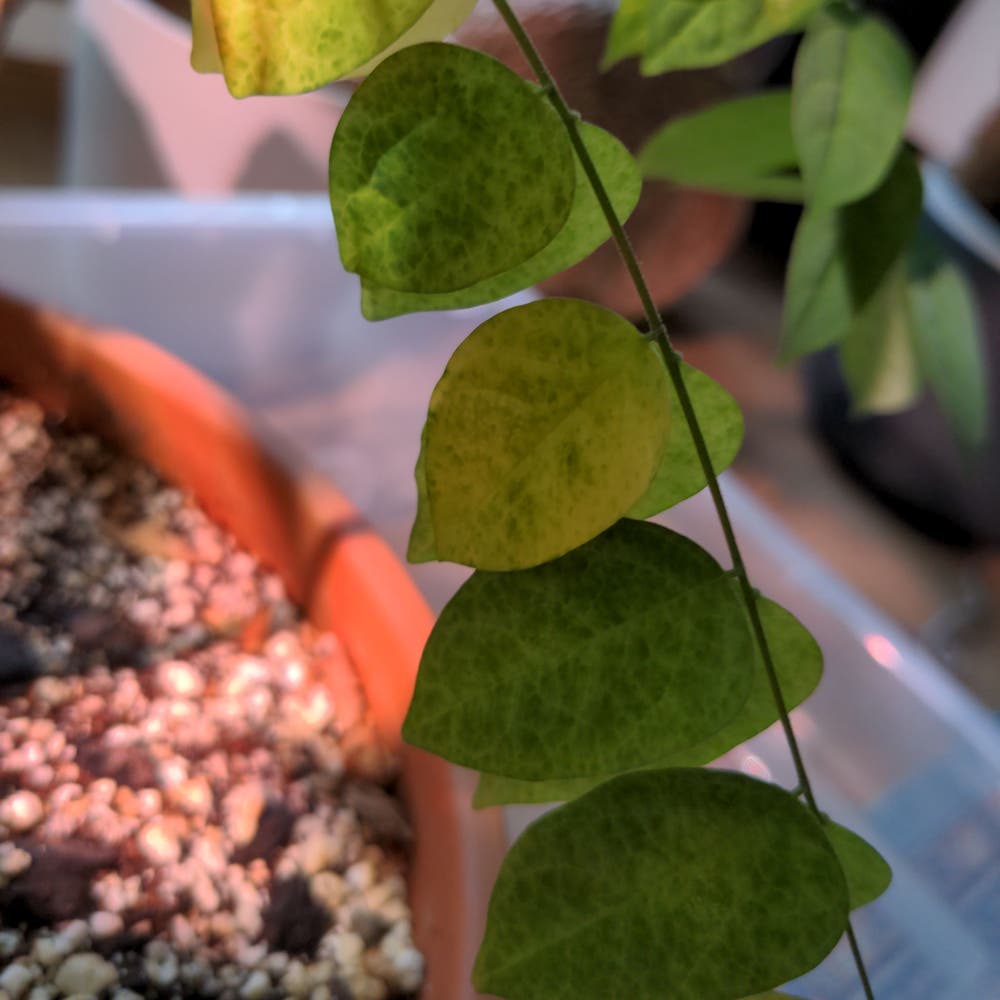
Symptoms of nutrient deficiency include leaf yellowing, which often indicates a potassium shortage. Leaf drop can also occur due to inadequate nutrient uptake.
🧪 Soil Testing Importance
To ensure optimal growth, soil testing is vital. Regularly checking soil pH and nutrient levels helps maintain a healthy environment for your starfruit tree.
🐛 Pest Infestations
Pests can wreak havoc on starfruit trees. Common culprits include aphids, which cause curled leaves and leave a sticky residue, and spider mites, identifiable by fine webbing and stippled leaves.
These pests weaken plants, leading to leaf drop. Regular inspections for pest presence are essential for early detection and management.
🦠 Disease Impacts
Diseases can also affect your starfruit tree's health. Root rot, often caused by overwatering, leads to wilting and leaf drop.
Fungal infections can create leaf spots and eventually result in leaf loss. Identifying these diseases early is crucial for preventing further damage.
Understanding these causes of leaf drop is the first step in maintaining a healthy starfruit tree. Next, we’ll explore how to diagnose these issues effectively.
Diagnosing Leaf Drop Issues
🌿 Identifying Symptoms
Leaf yellowing is often the first sign of trouble, indicating potential nutrient deficiencies or environmental stress. If you notice your starfruit tree's leaves curling or wilting, it could be a sign of pest infestation or water stress.
Understanding leaf drop patterns is crucial. A sudden drop may signal a more acute issue, while a gradual drop could indicate ongoing stress.
🌡️ Assessing Environmental Conditions
Start by checking temperature and humidity levels. Ensuring these are within the ideal range is essential for optimal growth.
Next, evaluate light exposure. Confirm that your starfruit tree receives adequate sunlight, ideally at least six hours daily.
Don't forget to assess soil moisture. Testing for overwatering or underwatering can help you pinpoint the problem.
🐛 Checking for Pests and Diseases
Conduct a visual inspection of leaves and stems to identify any signs of pests or diseases. Look for unusual spots, webbing, or sticky residue that could indicate an infestation.
Using sticky traps can be an effective monitoring tool for flying pests like aphids. These traps help you keep track of pest populations.
Finally, examine the soil for signs of root rot or fungal growth. This step is vital for diagnosing underlying issues that could lead to leaf drop.
By carefully diagnosing these symptoms and conditions, you can take the necessary steps to restore your starfruit tree's health. Next, let's explore preventive measures to keep your tree thriving.
Preventive Measures
💧 Proper Watering Techniques
Watering your starfruit tree correctly is crucial for its health. Allow the soil to dry slightly between waterings to prevent root rot.
Ensure that your pots or planting areas have adequate drainage. This helps avoid waterlogging, which can stress the plant.
Consider using the Greg plant care app to set reminders for optimal watering schedules. This tool can help you maintain consistency in your watering routine.
🌱 Fertilization Guidelines
Choosing the right fertilizer is essential for promoting leaf health. A balanced NPK fertilizer with an emphasis on potassium and magnesium is recommended.
Stick to a fertilization schedule of every 4-6 weeks during the growing season. This regular feeding supports robust growth and prevents nutrient deficiencies.
Incorporate organic matter into your soil to improve nutrient availability. This simple amendment can significantly enhance your starfruit tree's overall health.
🌞 Optimal Growing Conditions
Creating the right growing conditions is key to preventing leaf drop. Aim for well-draining, fertile loam with a pH between 6.0 and 7.5.
Your starfruit tree needs full sun exposure for at least 6 hours daily. Adequate sunlight is vital for photosynthesis and overall vitality.
Manage humidity levels by using misting or humidity trays in dry conditions. This can help mimic the tree's preferred high humidity environment.
By following these preventive measures, you can significantly reduce the risk of leaf drop in your starfruit tree. Next, let’s explore treatment options for when issues do arise.
Treatment Options
🐞 Pest Control Methods
Managing pests is crucial for maintaining healthy starfruit trees. Organic pest control methods, such as neem oil and insecticidal soap, effectively target aphids and spider mites without harming beneficial insects.
Introducing beneficial insects like ladybugs can also help keep pest populations in check. Regular monitoring of your plants ensures you catch any infestations early, allowing for timely intervention.
🦠 Disease Management Strategies
Addressing diseases promptly can save your starfruit tree from severe damage. For root rot, adjust your watering practices and improve drainage to prevent waterlogged soil.
Fungal diseases can be mitigated by using fungicides and ensuring good air circulation around your plants. Implementing quarantine measures for affected plants is essential to prevent the spread of diseases to healthy ones.
🌱 Adjusting Care Practices
Seasonal changes require adjustments in your care practices to keep your starfruit thriving. Modifying your watering and fertilization schedules based on the season helps meet the tree's changing needs.
Incorporating stress-reducing techniques, such as mulching and proper pruning, can enhance your tree's resilience. Regular health checks will help you monitor leaf health and overall vigor, ensuring your starfruit tree remains robust and productive.
With these treatment options in place, you can effectively manage pests and diseases while adjusting care practices to support your starfruit tree's health. Next, we'll explore seasonal considerations that impact leaf drop and how to adapt your care throughout the year.
Seasonal Considerations
Leaf Drop in Different Seasons 🌿
Spring brings a fresh start for your starfruit tree, but it can also trigger leaf drop due to transplant shock. As the tree adjusts to new conditions, it's common to see some leaves fall off.
In summer, high temperatures can stress the tree, leading to increased leaf drop if not managed properly. Keeping an eye on watering and shade can help mitigate this issue.
As fall approaches, natural leaf drop occurs as the tree prepares for dormancy. This is a normal process, so don’t panic if you notice some leaves falling.
Winter can be tough, with cold stress causing leaf drop. Protecting your tree from frost is crucial during this season to maintain its health.
Seasonal Care Adjustments 🌱
Adjusting your watering frequency based on seasonal rainfall is essential for optimal growth. During rainy seasons, you may need to water less frequently.
In winter, consider reducing your fertilization frequency. The tree's growth slows down, so it requires less nutrient input.
Finally, implement protective measures during extreme weather conditions. Covering your trees can shield them from harsh elements and help prevent unnecessary leaf drop.
By understanding these seasonal dynamics, you can better care for your starfruit tree and minimize leaf drop throughout the year. Next, let’s explore effective treatment options for any leaf drop issues you may encounter.
⚠️ Safety First
This content is for general information and may contain errors, omissions, or outdated details. It is not medical, veterinary advice, or an endorsement of therapeutic claims.
Always consult a qualified healthcare professional before using any plant as food, medicine, or supplement.
Never eat any plant (or feed one to pets) without confirming its identity with at least two trusted sources.
If you suspect poisoning, call Poison Control (800) 222-1222, the Pet Poison Helpline (800) 213-6680, or your local emergency service immediately.
Spotted an error? Please report it here.
Keep your starfruit tree leafy and lush 🍃 by using Greg's custom watering plans and nutrient tracking to meet its specific needs for thriving growth!