⭐ 7 Tips for Light Requirements for Your Starfruit
Averrhoa carambola
By the Greg Editorial Team
Nov 26, 2024•4 min read
This article was created with the help of AI so we can cover more plants for you. May contain errors. See one? Report it here.
Master the ideal light conditions for starfruit 🌞 to ensure vibrant growth and a bountiful harvest! 🍈
- 🌞 Starfruit needs 6-8 hours of direct sunlight daily for optimal growth and fruiting.
- 🪴 Indoor plants thrive near south or west-facing windows; aim for 12-14 hours of light.
- 💡 Use LED grow lights indoors for energy-efficient, full-spectrum light to boost production.
Ideal Light Conditions for Outdoor Starfruit
Full Sun Exposure 🌞
Starfruit thrives in full sun, requiring 6-8 hours of direct sunlight daily. This optimal exposure not only promotes vigorous growth but also enhances fruit production, ensuring you enjoy a bountiful harvest.
Outdoor Light Conditions 🌳
To maximize light absorption, plant your starfruit in south-facing areas with minimal shade. Additionally, ensure the soil is well-draining and provide protection from strong winds, creating an ideal environment for your starfruit to flourish.
Seasonal Considerations 🍂
As the seasons change, it's crucial to monitor sunlight availability. Adjust your plant's positioning if necessary to ensure it continues to receive adequate light throughout the year, keeping your starfruit healthy and productive.
By understanding these ideal light conditions, you can set your starfruit up for success. Next, let’s explore the best light conditions for indoor starfruit cultivation.
Best Light Conditions for Indoor Starfruit
Indoor Sunlight Needs 🌞
To thrive, starfruit plants need adequate light. Position them near south or west-facing windows for optimal exposure.
Light Intensity and Duration 💡
Bright light is essential for healthy growth. Consider using sheer curtains to soften harsh sunlight while aiming for 12-14 hours of light daily to replicate natural conditions.
Challenges of Indoor Growing 🏠
Indoor growing presents unique challenges. Be mindful of reduced light exposure caused by nearby buildings or seasonal changes that can affect your starfruit's health.
By understanding these light conditions, you can create an ideal environment for your indoor starfruit, ensuring they flourish and produce delicious fruit. Next, let’s explore the recommended light duration for starfruit to maximize their growth potential.
Recommended Light Duration for Starfruit
Daily Light Requirements 🌞
To ensure your starfruit thrives, it needs a minimum of 6-8 hours of direct sunlight each day. This foundational light exposure is crucial for optimal growth and health.
For those looking to boost their starfruit's performance, extending light duration to 12-14 hours can significantly support flowering and fruiting stages. More light means more potential for delicious fruit!
Monitoring Light Exposure 📏
Keeping track of your starfruit's light exposure is essential. Using light meters can help you assess both light intensity and duration effectively.
If you notice shorter days or cloudy weather, consider increasing the light exposure. Your starfruit will thank you for the extra care, leading to healthier plants and a bountiful harvest.
With the right light duration, your starfruit can flourish beautifully. Next, let’s explore the effects of insufficient light on your starfruit's growth and production.
Effects of Insufficient Light on Starfruit
🌱 Growth Implications
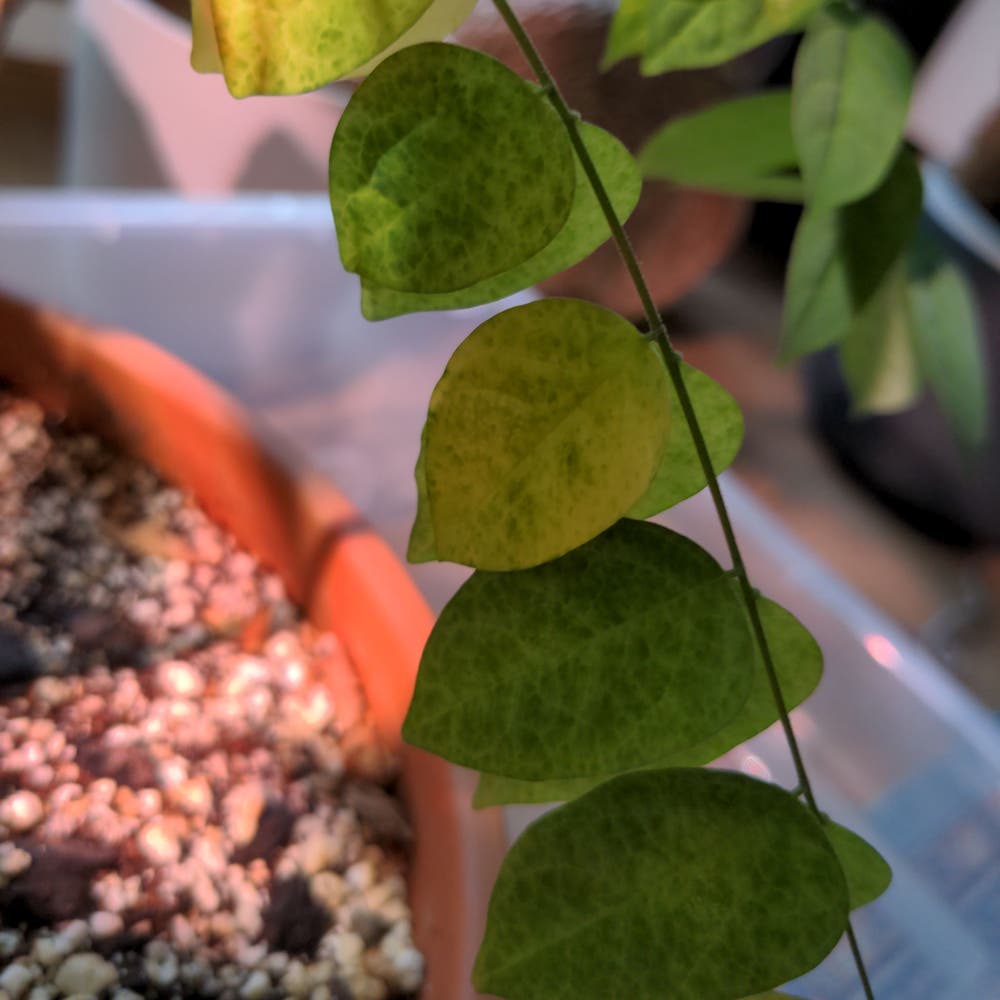
Insufficient light can significantly weaken your starfruit plants. They may become leggy and lack vigor, which is a clear sign that they are struggling to thrive.
Fewer leaves mean lower photosynthesis rates, leading to overall poor health. This can stunt growth and make your plants more susceptible to diseases.
🌼 Flowering and Fruit Production
When your starfruit doesn’t get enough light, it can lead to fewer flowers. This directly impacts fruit yield, leaving you with less to harvest.
Moreover, insufficient light can result in smaller and less flavorful fruit. You want your starfruit to be juicy and sweet, and that starts with giving them the light they need.
In conclusion, ensuring your starfruit receives adequate light is crucial for their growth and productivity. Next, let’s explore how to effectively use grow lights to support your indoor starfruit plants.
Using Grow Lights for Starfruit
🌟 Types of Grow Lights Suitable for Starfruit
When it comes to growing starfruit indoors, choosing the right grow lights is crucial. LED grow lights are a top choice due to their energy efficiency and ability to provide full-spectrum light, which supports all growth stages.
Fluorescent lights are another viable option, especially for seedlings and young plants. They offer adequate light intensity without overwhelming your delicate plants.
💡 How to Set Up Grow Lights for Optimal Growth
Setting up grow lights correctly can make a significant difference in your starfruit's health.
- Positioning: Place your grow lights 12-24 inches above the plant canopy to ensure even light distribution.
- Timing: Set a timer to provide 12-14 hours of light exposure daily, mimicking natural sunlight conditions.
- Adjusting height: As your plants grow, remember to raise the lights to maintain that optimal distance.
🌱 Benefits of Using Grow Lights Indoors
Using grow lights indoors offers several advantages. They provide consistent light exposure, regardless of the natural light fluctuations that can occur throughout the year.
Moreover, incorporating grow lights can lead to healthier plants and improved fruit production. With the right setup, your starfruit can thrive even in less-than-ideal lighting conditions.
As you explore the world of indoor gardening, understanding light requirements is just the beginning. Next, let’s delve into the recommended light duration for your starfruit to ensure optimal growth and fruiting.
⚠️ Safety First
This content is for general information and may contain errors, omissions, or outdated details. It is not medical, veterinary advice, or an endorsement of therapeutic claims.
Always consult a qualified healthcare professional before using any plant as food, medicine, or supplement.
Never eat any plant (or feed one to pets) without confirming its identity with at least two trusted sources.
If you suspect poisoning, call Poison Control (800) 222-1222, the Pet Poison Helpline (800) 213-6680, or your local emergency service immediately.
Spotted an error? Please report it here.
Give your starfruit the sunshine it craves ☀️ by using Greg's tailored light reminders and tips to ensure it gets the optimal 6-8 hours of sunlight for a bountiful harvest!