⭐ 5 Key Phases of Starfruit Development
Averrhoa carambola
By the Greg Editorial Team
Nov 26, 2024•6 min read
This article was created with the help of AI so we can cover more plants for you. May contain errors. See one? Report it here.
Master the art of growing starfruit 🌟 from seed to harvest with this essential guide to its life cycle stages!
- 🌱 Germination takes 2-3 weeks; optimal temperatures are 70°F to 85°F for success.
- 🌼 Starfruit plants self-pollinate but benefit from cross-pollination for better yields.
- 🍏 Mature starfruit measures 3-6 inches and ripens from green to yellow or light brown.
Germination Stage
🌱 Duration of Germination
The germination stage is a crucial first step in starfruit development, typically lasting 2-3 weeks under ideal conditions. This period sets the foundation for healthy growth, so it's essential to get it right.
🌡️ Conditions for Successful Germination
To ensure successful germination, several conditions must be met:
Optimal Temperature
Maintain a temperature range of 70°F to 85°F (21°C to 29°C). This warmth encourages the seeds to sprout effectively.
🌍 Soil Requirements
Use well-draining, fertile soil with a pH between 6.0 and 7.0. This balance supports nutrient availability and root development.
💧 Moisture Needs
Keep the soil consistently moist, but avoid waterlogging. Overly saturated soil can lead to seed rot, which is a common pitfall.
☀️ Light Exposure
Provide indirect sunlight to prevent overheating of the seeds. Too much direct light can hinder germination and damage delicate seedlings.
By ensuring these conditions are met, you set the stage for robust seedling growth. Next, we’ll explore the seedling stage, where the tiny sprouts begin their journey toward becoming fruitful plants.
Seedling Stage
🌱 Duration of Seedling Growth
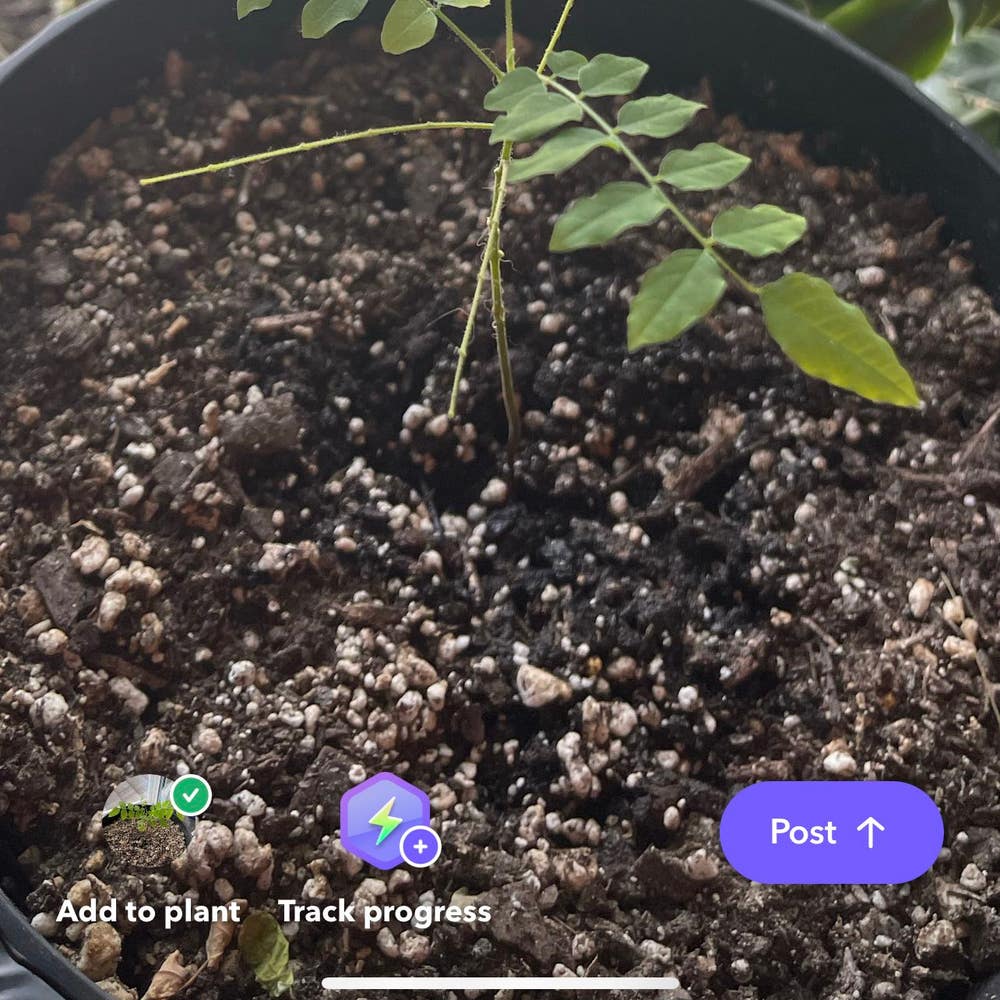
The seedling stage is a crucial phase that lasts approximately 4-6 weeks. During this time, the young starfruit plant establishes itself and prepares for further growth.
🌿 Characteristics of Healthy Seedlings
Healthy seedlings exhibit a few key characteristics that signal their vitality.
Ideal Height
Look for seedlings that are 6-12 inches tall, showcasing robust stems that can support future growth.
Leaf Appearance
Bright green, healthy leaves are a good indicator of effective photosynthesis. These leaves are essential for the plant's energy production.
Root Development
A strong, well-established root system is vital for nutrient uptake. Healthy roots anchor the plant and help it absorb water and nutrients from the soil.
In this stage, nurturing your seedlings is essential for their transition into the vegetative growth phase. By ensuring they have the right conditions, you set the foundation for a thriving starfruit tree.
As we move on, let's explore the vegetative growth stage, where your seedlings will begin to flourish even more.
Vegetative Growth Stage
Duration of Vegetative Growth 🌱
The vegetative growth stage of starfruit typically lasts around 6 to 12 months. This duration can vary significantly based on environmental conditions such as light, temperature, and moisture.
Key Features of Vegetative Growth 🌿
During this phase, the plant can reach impressive heights of 3 to 5 feet. You'll also notice the emergence of compound leaves, which usually feature 5 to 7 leaflets, showcasing the plant's healthy growth.
Nutritional Needs During This Phase 🍽️
To support robust growth, it's essential to provide balanced NPK fertilizer every 4 to 6 weeks. Additionally, regular watering is crucial to maintain soil moisture, especially during dry spells, ensuring your starfruit thrives.
As the vegetative stage progresses, the plant prepares itself for the next phase of its life cycle. This transition sets the stage for flowering, where the starfruit will begin to showcase its beautiful blooms.
Flowering Stage
Duration of Flowering 🌸
The flowering stage of starfruit development is a brief yet crucial period, lasting about 2-3 weeks. During this time, the plant shifts its focus from growth to reproduction, setting the stage for fruit production.
Pollination Process and Requirements 🐝
Starfruit plants are primarily self-pollinating, which means they can produce fruit without needing another plant. However, they thrive with cross-pollination, often aided by insects, enhancing fruit yield and quality.
The flowers themselves are a sight to behold, forming clusters of small, fragrant blooms that can be either pink or white. These delicate flowers not only attract pollinators but also signal the plant's readiness to reproduce.
Changes in Plant Appearance During Flowering 🌼
As the flowering stage progresses, you'll notice significant visual changes in the plant. Clusters of flowers emerge on new growth, creating a vibrant display that indicates the plant is alive with activity.
Additionally, some leaves may drop during this phase. This leaf drop occurs as the plant redirects its energy towards flower production, emphasizing the importance of reproduction over vegetative growth.
With this beautiful transformation, the starfruit plant prepares itself for the next exciting phase: seed production.
Seed Production Stage
Duration of Seed Production 🌱
The seed production stage is a crucial phase in the life cycle of the starfruit plant. After flowering, fruit development typically takes about 2-3 months.
Characteristics of Mature Fruit 🍏
Mature starfruit is a sight to behold. These star-shaped fruits usually measure between 3-6 inches long and have a delightful crisp texture.
The color of the fruit is equally captivating. As they ripen, starfruits transition from a vibrant green to a lovely yellow or light brown, signaling their readiness for harvest.
Seed Dispersal Mechanisms 🌍
Seed dispersal is essential for the propagation of starfruit. In nature, seeds are often spread by animals and water, ensuring they find new places to grow.
For those interested in cultivation, seeds can also be collected and planted manually. This method allows for controlled growth and the opportunity to enjoy homegrown starfruit.
As we explore the notable changes throughout the life cycle of the starfruit, we’ll see how each stage contributes to the plant's overall development and resilience.
Notable Changes Throughout the Life Cycle
🌱 Physical Changes in the Plant at Each Stage
The life cycle of a starfruit plant is marked by distinct physical transformations. During germination, the seed coat splits open, allowing the root to emerge and anchor itself into the soil.
As the plant enters the seedling stage, it develops true leaves and experiences a notable increase in height. This growth sets the foundation for the plant's future development.
In the vegetative growth stage, the plant begins to branch out, expanding its leaf structure significantly. This phase is crucial for establishing a robust framework that supports future flowering.
When the flowering stage arrives, the plant transitions from vegetative growth to reproductive efforts. This shift is characterized by the emergence of clusters of flowers, signaling the plant's readiness to produce fruit.
🍃 Changes in Leaf Structure and Color
Throughout these stages, the leaves undergo significant changes in both structure and color. In the seedling phase, leaves are typically light green, indicating youthful vigor and growth.
As the plant matures, the leaves darken, reflecting a healthy, established plant. During flowering, some leaves may drop as the plant reallocates energy towards flower production, showcasing its commitment to reproduction.
🌍 Adaptations to Environmental Conditions
Starfruit plants are remarkably adaptable, adjusting their physical characteristics based on environmental conditions. For instance, leaf size and shape can change in response to varying light availability, optimizing photosynthesis.
Additionally, the root system evolves to cope with different soil moisture levels. This adaptability ensures the plant thrives in diverse environments, enhancing its chances of successful growth and fruit production.
These notable changes throughout the life cycle not only highlight the resilience of the starfruit plant but also set the stage for the next phase: the seed production stage. Here, the culmination of all previous efforts leads to the creation of the star-shaped fruit we all love.
⚠️ Safety First
This content is for general information and may contain errors, omissions, or outdated details. It is not medical, veterinary advice, or an endorsement of therapeutic claims.
Always consult a qualified healthcare professional before using any plant as food, medicine, or supplement.
Never eat any plant (or feed one to pets) without confirming its identity with at least two trusted sources.
If you suspect poisoning, call Poison Control (800) 222-1222, the Pet Poison Helpline (800) 213-6680, or your local emergency service immediately.
Spotted an error? Please report it here.
Master the starfruit life cycle 🌟 with Greg's personalized care reminders that ensure your plants thrive from germination to fruiting!