Best Tips for Dealing with Curling Leaves on Starfruit ⭐
Averrhoa carambola
By the Greg Editorial Team
Nov 26, 2024•6 min read
This article was created with the help of AI so we can cover more plants for you. May contain errors. See one? Report it here.
Revive your starfruit tree 🌳 by uncovering the secrets behind curling leaves and restoring its health!
- 🌡️ Curling leaves result from temperature extremes and low humidity; maintain ideal conditions.
- 🌱 Nutrient deficiencies and pests can also cause curling; monitor and treat promptly.
- 💧 Consistent watering and soil health are crucial for preventing leaf curl on starfruit.
Causes of Curling Leaves
🌡️ Environmental Stress Factors
Temperature extremes can wreak havoc on your starfruit tree. The ideal temperature range is between 20°C to 30°C (68°F to 86°F); anything outside this can lead to noticeable symptoms like leaf curling and discoloration.
Humidity also plays a crucial role in leaf health. Starfruit thrives in optimal humidity levels of 50% to 70%. When humidity drops, leaves may dry out and curl, signaling distress.
🥦 Nutrient Deficiencies
A nitrogen deficiency is a common culprit behind curling leaves. Look for symptoms such as yellowing leaves and stunted growth, as nitrogen is essential for robust leaf development.
Similarly, potassium deficiency can lead to marginal leaf curling and browning edges. Potassium is vital for overall plant health and helps the plant resist stress, making it crucial for your starfruit's vitality.
🐜 Pest Infestations
Pests like aphids can cause significant damage to your starfruit tree. Signs of infestation include sticky residue on leaves and noticeable curling, which weakens the plant and distorts its leaves.
Spider mites are another threat, often leaving fine webbing and a stippled appearance on leaves. Their presence can reduce photosynthesis, leading to further leaf curling and overall decline.
🍄 Fungal Infections
Fungal infections, such as powdery mildew, can also lead to curling leaves. You might notice white powdery spots on the leaves, which indicate a problem.
Conditions that favor the growth of powdery mildew include high humidity and poor air circulation. Addressing these environmental factors is essential to prevent this issue.
💧 Overwatering or Underwatering Effects
Overwatering is a common mistake that can lead to wilting, yellowing, and curling leaves. This often results from root rot and poor drainage, which can be detrimental to your starfruit's health.
On the flip side, underwatering can cause dry, curled leaves and even leaf drop. Maintaining consistent moisture is essential for healthy growth, so be mindful of your watering practices.
Understanding these causes of curling leaves is the first step in addressing the issue effectively. Next, we will explore how to diagnose these symptoms accurately.
Diagnosing Curling Leaves
🌿 Identifying Symptoms of Leaf Curl
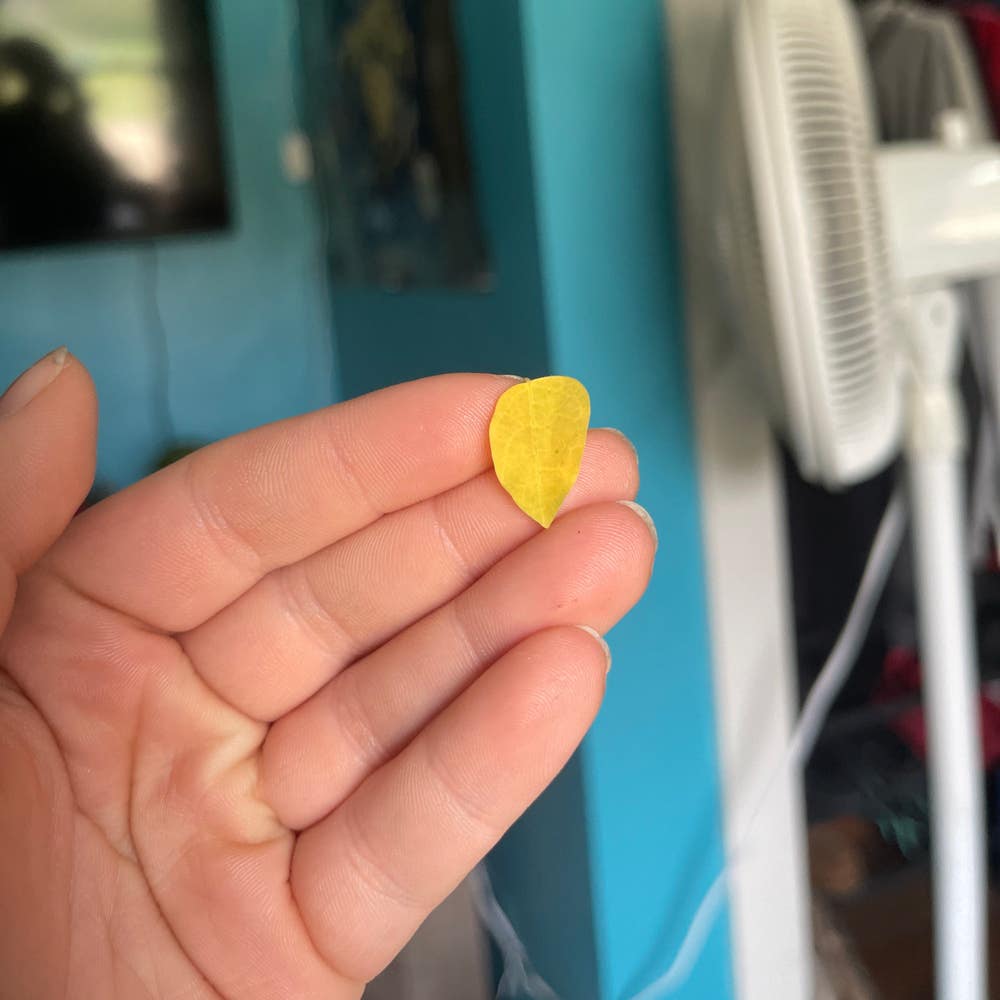
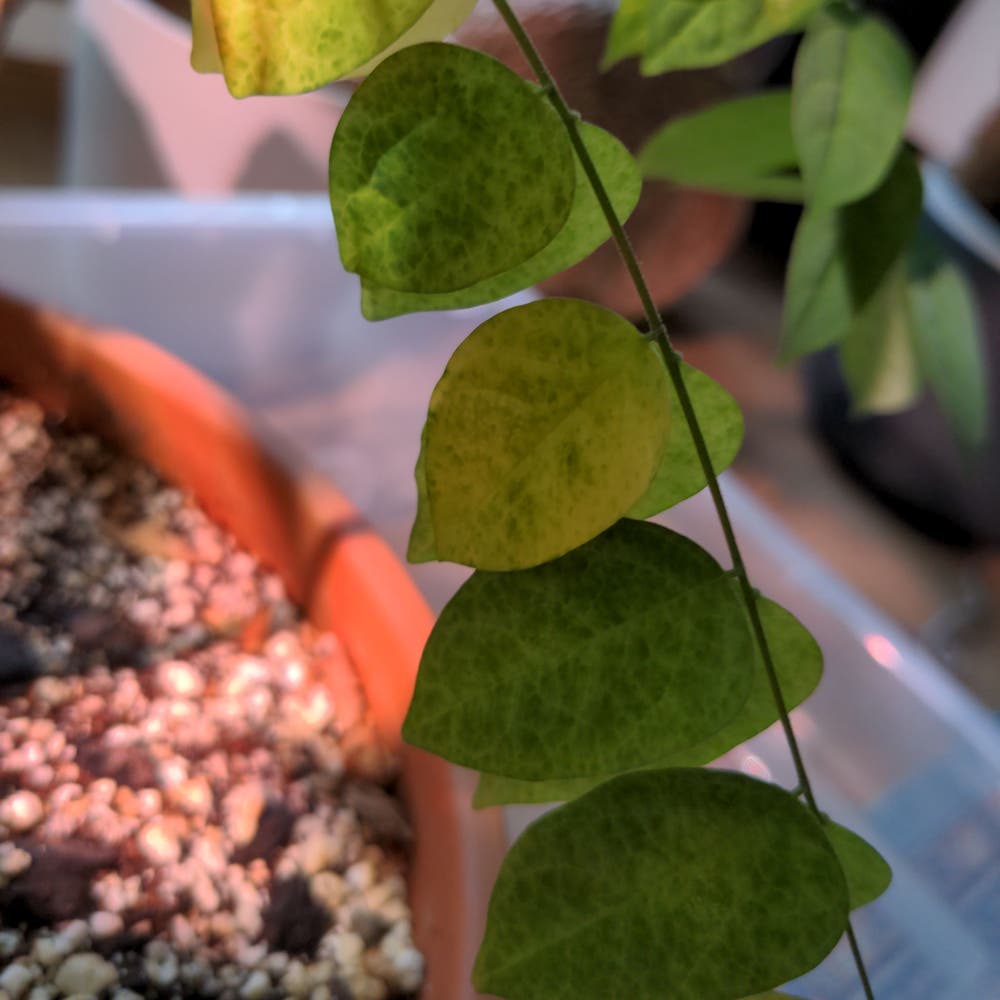
When diagnosing curling leaves on your starfruit tree, start by observing the visual signs. Pay attention to the direction of the curl—whether it's upward or downward—and look for any discoloration that might indicate stress.
Next, assess the leaf texture. Are the leaves crispy or soft? Changes in texture can provide clues about the underlying issues affecting your plant.
🐛 Differentiating Between Pest and Disease Issues
Identifying whether pests or diseases are the culprits is crucial. Look for pest indicators such as the presence of insects, sticky residue on leaves, or fine webbing that suggests spider mites.
On the other hand, disease indicators often include fungal growth, unusual discoloration, or specific patterns on the leaves. Recognizing these signs early can help you take swift action.
🌡️ Assessing Environmental Conditions
Environmental factors play a significant role in leaf health. Start by checking temperature and humidity levels using hygrometers and thermometers. Ensuring your starfruit tree is in its ideal climate can prevent many issues.
Next, evaluate soil moisture. Use techniques like the finger test—simply insert your finger into the soil to check for dampness—or a moisture meter for a more precise reading. Consistent moisture is key to keeping your plant thriving.
By carefully diagnosing the symptoms and environmental conditions, you can effectively address the curling leaves on your starfruit tree. This proactive approach sets the stage for exploring treatment options that can restore your plant's health.
Treatment Options
🐞 Organic Pest Control Methods
Dealing with pests organically is a smart move for your starfruit tree. Start with insecticidal soap, applying it every 7-14 days until you see those pesky pests under control.
Neem oil is another excellent option. This natural pesticide is not only effective but also safe for beneficial insects, making it a win-win for your garden.
💧 Adjusting Watering Practices
Watering practices are crucial for maintaining healthy starfruit trees. Establish a consistent watering schedule, ensuring you water when the top inch of soil feels dry.
Deep watering techniques can significantly encourage root growth. This method helps your tree develop a robust root system, which is essential for overall health.
🌱 Fertilization Strategies
Fertilization plays a vital role in keeping your starfruit tree thriving. Use balanced NPK fertilizers, like a 10-10-10 mix, to promote general health.
For a nutrient boost, consider specific fertilizers targeting nitrogen and potassium. Timing is key; fertilize during the growing season—spring and summer—for the best results.
🦠 Fungicide Application
When it comes to fungal issues, applying fungicides can be necessary. Organic options, such as sulfur-based or copper fungicides, are effective and environmentally friendly.
Follow application guidelines closely, using these fungicides every 7-10 days during the active growth period. This routine helps keep fungal infections at bay and your starfruit tree healthy.
With these treatment options in hand, you're well-equipped to tackle curling leaves on your starfruit tree. Next, let’s explore preventive measures to ensure your tree remains healthy and vibrant year-round.
Preventive Measures
Best Practices for Care 🌱
To keep your starfruit healthy, start with the right soil. A well-draining soil mix is crucial to prevent root rot, which can lead to curling leaves.
Watering is equally important. Aim for consistent moisture without waterlogging, as both overwatering and underwatering can stress your plant.
Regular Monitoring for Pests and Diseases 🐛
Regular inspections can save your starfruit from serious issues. Conduct weekly checks for any signs of pests or diseases to catch problems early.
Early detection is key. Addressing issues promptly can prevent larger infestations and minimize damage to your plant.
Optimal Growing Conditions ☀️
Your starfruit thrives in full sun, so ensure it gets 6-8 hours of sunlight daily. This exposure is vital for healthy growth and fruit production.
Soil pH also plays a significant role. Aim for a range of 5.5 to 6.5 to optimize nutrient uptake and overall plant health.
Seasonal Care Adjustments 🍂
Adjust your care routine based on the seasons. Increase watering during dry spells to keep your starfruit hydrated.
In winter, protect your plant from cold drafts. This simple step can help maintain its health and prevent stress-related issues like leaf curling.
By implementing these preventive measures, you can create a thriving environment for your starfruit, reducing the likelihood of curling leaves and other problems. Next, let's explore how to diagnose curling leaves effectively.
⚠️ Safety First
This content is for general information and may contain errors, omissions, or outdated details. It is not medical, veterinary advice, or an endorsement of therapeutic claims.
Always consult a qualified healthcare professional before using any plant as food, medicine, or supplement.
Never eat any plant (or feed one to pets) without confirming its identity with at least two trusted sources.
If you suspect poisoning, call Poison Control (800) 222-1222, the Pet Poison Helpline (800) 213-6680, or your local emergency service immediately.
Spotted an error? Please report it here.
Keep your starfruit tree thriving 🌟 by using Greg's tailored care tips and reminders to prevent curling leaves and ensure vibrant growth!