Starfruit Wilting: Causes and Solutions ⭐
Averrhoa carambola
By the Greg Editorial Team
Nov 26, 2024•5 min read
This article was created with the help of AI so we can cover more plants for you. May contain errors. See one? Report it here.
Revive your wilting starfruit plant 🌱 with expert tips to diagnose and tackle common issues for vibrant growth!
- 💧 Water stress from under or over-watering causes starfruit wilting. Monitor moisture!
- ☀️ Heat stress leads to curling leaves; provide shade during peak hours for relief.
- 🌱 Diseases like root rot cause wilting; check for yellowing leaves and improve drainage.
Common Causes of Wilting Leaves
💧 Water Stress
Water stress is a leading cause of wilting in starfruit plants. Both insufficient and excessive watering can lead to drooping leaves, dry soil, or overly saturated soil.
The impact of water stress is significant; it affects nutrient uptake and overall plant vitality. Ensuring a balanced watering routine is crucial for maintaining healthy foliage.
🔥 Heat Stress
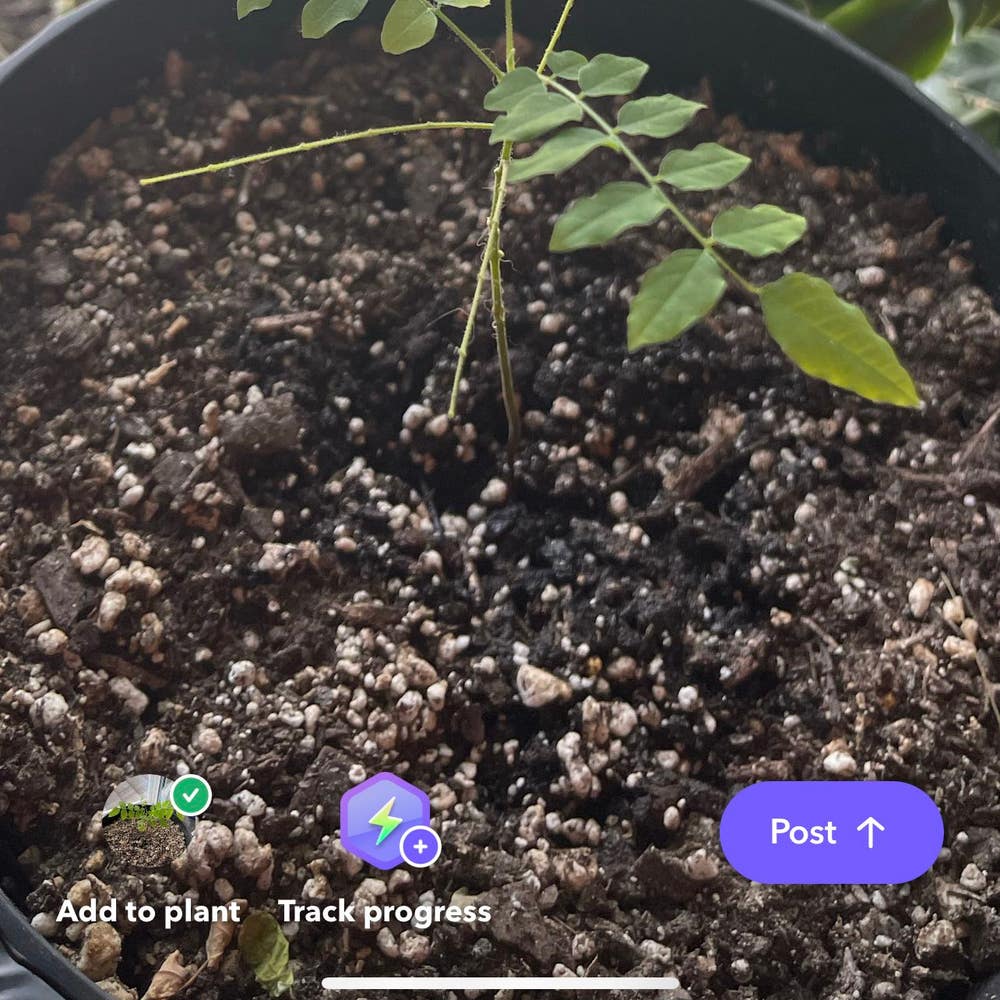
Heat stress occurs when starfruit plants are exposed to high temperatures. Symptoms include curling leaves, browning edges, and noticeable wilting.
This type of stress can hinder growth and reduce fruit yield. Protecting your plant from extreme heat is essential for its long-term health.
🦠 Disease-Related Wilting
Diseases such as fungal infections and root rot can also cause wilting. Symptoms to watch for include yellowing leaves and wilting, even when the plant is adequately watered.
However, it's important to note that pathogenic wilt is less common in healthy starfruit. Focus on environmental factors first before jumping to conclusions about disease.
Diagnosing Wilting
📝 Step-by-Step Guide
Diagnosing wilting in your starfruit plant requires a systematic approach. Start by assessing soil moisture; check for dryness or waterlogging to determine if your plant is suffering from water stress.
Next, evaluate the environmental conditions. Monitor temperature and humidity levels, as extreme fluctuations can impact your plant's health.
Inspect the leaves closely. Look for any discoloration, curling, or spots that may indicate underlying issues.
Finally, check for pests. Examine the undersides of leaves for infestations that could be contributing to wilting.
👀 Signs to Look for
Pay attention to leaf droopiness, which often indicates water stress. If the leaves are drooping, it’s a clear sign that your plant may need immediate attention.
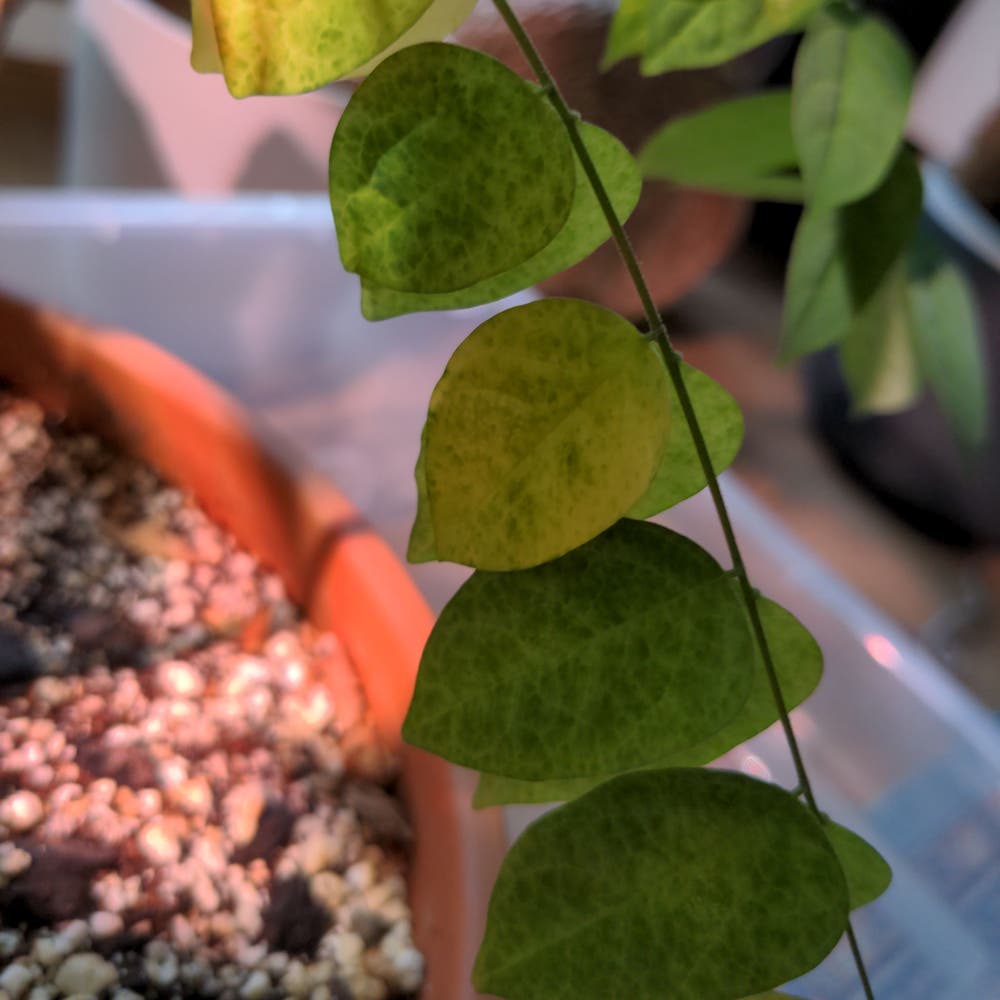
Color changes are another important indicator. Yellowing leaves may suggest nutrient deficiencies or disease, signaling that something is off with your plant's care.
Texture changes can also provide clues. Crispy or mushy leaves often indicate heat stress or root rot, both of which require prompt action to prevent further damage.
By carefully observing these signs, you can effectively diagnose the cause of wilting and take appropriate action. This proactive approach will help ensure your starfruit thrives, setting the stage for the next steps in addressing the issue.
Solutions for Wilting Leaves
💧 Actionable Advice for Water Stress
Adjusting your watering schedule is crucial for maintaining healthy starfruit plants. Aim for consistent moisture without allowing the soil to become waterlogged.
Using moisture meters can be a game-changer. These handy tools help you monitor soil moisture levels accurately, ensuring your plant gets just the right amount of water.
☀️ Actionable Advice for Heat Stress
Providing shade during peak heat hours can significantly alleviate heat stress. Consider using shade cloth to protect your starfruit from harsh sunlight.
Increasing humidity around your plant is another effective strategy. Misting the leaves or placing a humidifier nearby can create a more favorable environment for growth.
🦠 Actionable Advice for Disease-Related Wilting
Improving drainage is essential if you suspect disease-related wilting. Ensure your pots have adequate drainage holes to prevent water from pooling at the bottom.
If you suspect fungal infections, applying fungicides promptly is vital. Early intervention can save your plant from further damage and promote recovery.
By implementing these solutions, you can help your starfruit thrive and prevent future wilting episodes. Next, let’s explore preventive measures to keep your plant healthy and vibrant.
Preventive Measures
Tips to Minimize Future Wilting Episodes 🌱
To keep your starfruit healthy, regularly monitor soil moisture and environmental conditions. This proactive approach helps you catch issues before they escalate.
Mulching around the base of your plant is another effective strategy. It retains soil moisture and regulates temperature, creating a more stable environment for growth.
Best Practices for Starfruit Care 🌟
Choosing the right planting location is crucial for your starfruit's success. Opt for a spot with filtered sunlight and protection from harsh winds to shield your plant from stress.
Establishing a consistent fertilization schedule is equally important. Use balanced fertilizers to support healthy growth and ensure your starfruit thrives throughout the seasons.
By implementing these preventive measures, you can significantly reduce the risk of wilting and promote a vibrant, flourishing starfruit plant. Next, let’s explore how to revive a wilted starfruit and bring it back to life.
Reviving a Wilted Starfruit
🌊 Techniques for Bottom Watering
One effective method to revive a wilted starfruit is bottom watering. Simply place the pot in a shallow tray of water for about 30 minutes.
This technique encourages deep root growth while preventing the risk of overwatering, which can be detrimental to your plant's health.
🏡 Relocating the Plant
Another crucial step is relocating your starfruit to a more suitable environment. During extreme heat, find a shaded area to protect it from direct sunlight.
Make sure to gradually acclimatize the plant to new light conditions. This helps prevent shock and allows it to adjust comfortably.
✂️ Pruning Damaged Leaves
Pruning is also essential for revitalizing your starfruit. Use clean, sharp pruning shears to trim back any wilted or damaged leaves.
This not only improves the plant's appearance but also promotes new growth, giving your starfruit a fresh start.
Reviving a wilted starfruit requires a combination of careful watering, strategic relocation, and thoughtful pruning. By following these steps, you can help your plant bounce back and thrive once again. Next, let’s explore when it’s time to seek professional help for persistent issues.
When to Seek Help
Signs That Require Professional Assistance 🌱
If your starfruit plant shows persistent wilting despite your best care efforts, it may be time to seek professional help. Additionally, if you notice severe pest infestations or alarming disease symptoms, don’t hesitate to reach out for expert advice.
Resources for Local Nurseries and Online Communities 🌍
Local nurseries can be invaluable resources for tailored advice on specific issues affecting your starfruit. Engaging with online communities, such as forums like Greg, can also provide support and insights from fellow plant enthusiasts who share your passion for gardening.
By connecting with these resources, you can gain the knowledge needed to tackle any challenges your starfruit may face. Remember, seeking help is a proactive step towards ensuring the health and vitality of your plant.
⚠️ Safety First
This content is for general information and may contain errors, omissions, or outdated details. It is not medical, veterinary advice, or an endorsement of therapeutic claims.
Always consult a qualified healthcare professional before using any plant as food, medicine, or supplement.
Never eat any plant (or feed one to pets) without confirming its identity with at least two trusted sources.
If you suspect poisoning, call Poison Control (800) 222-1222, the Pet Poison Helpline (800) 213-6680, or your local emergency service immediately.
Spotted an error? Please report it here.
Keep your starfruit thriving 🌟 by using Greg's tailored watering reminders and moisture assessments to prevent wilting and ensure it flourishes in your care!