Optimal Temperature for Your Starfruit 🌟
Averrhoa carambola
By the Greg Editorial Team
Nov 26, 2024•2 min read
This article was created with the help of AI so we can cover more plants for you. May contain errors. See one? Report it here.
Unlock lush starfruit growth 🌟 by mastering the perfect temperature for thriving plants and bountiful harvests! 🍈
- 🌡️ Starfruit thrives between 60°F and 90°F for optimal growth and fruiting.
- ❄️ Temperatures below 60°F delay flowering; frost can damage plants below 30°F.
- ☀️ Excessive heat above 90°F reduces fruit quality; provide shade and water.
Temperature Requirements for Starfruit
Ideal Temperature Range for Growth 🌡️
Starfruit thrives best in a temperature range of 60°F to 90°F (15°C to 32°C). Maintaining this range is crucial for healthy foliage and optimal fruit production.
Different varieties have unique temperature preferences. The 'Carambola' variety flourishes at mid-range temperatures, while 'Fwang Tung' shows slightly more tolerance to temperature fluctuations.
Temperature Thresholds for Optimal Fruiting 🍑
For fruiting, the ideal temperature range is between 70°F and 85°F (21°C to 29°C). Temperatures below 60°F (15°C) can lead to delayed flowering and fruit set, along with potential frost damage to young fruits.
Conversely, temperatures exceeding 90°F (32°C) can reduce fruit quality and yield, increasing the risk of sunburn on the fruits.
Signs of Temperature Stress ⚠️
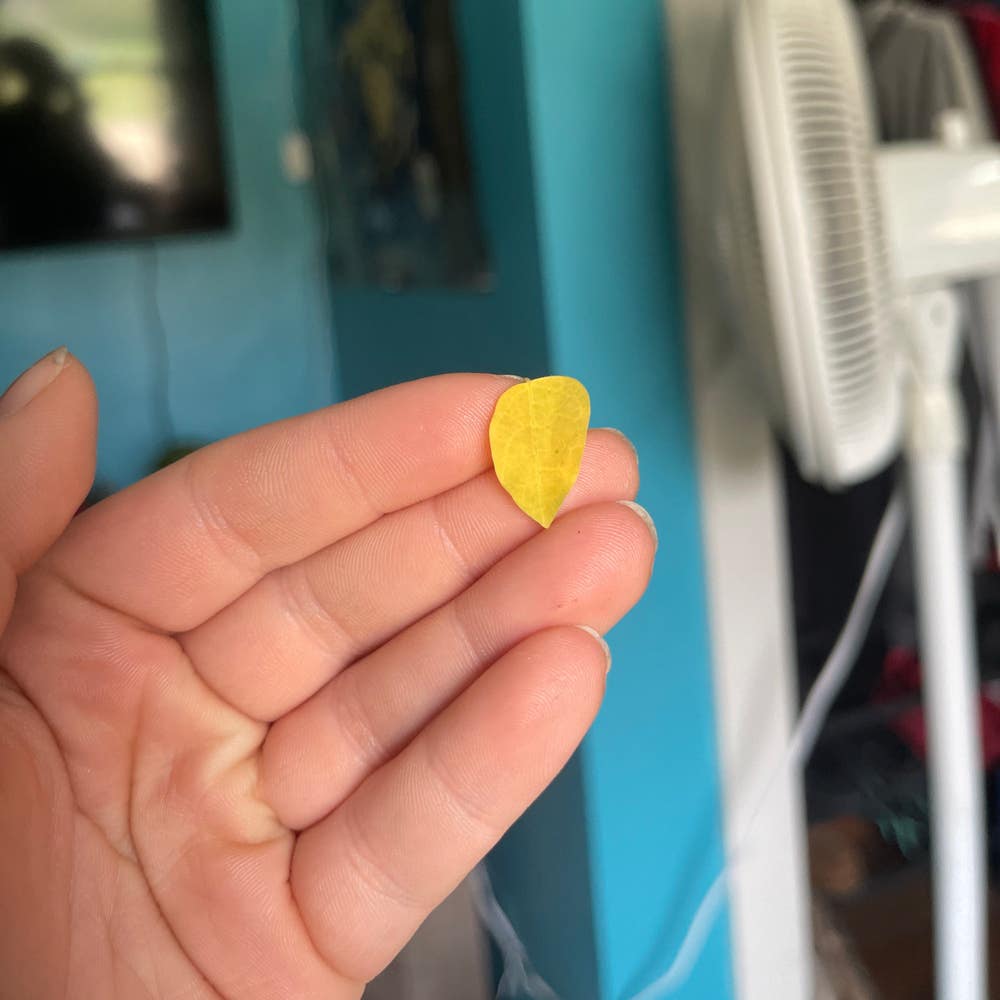
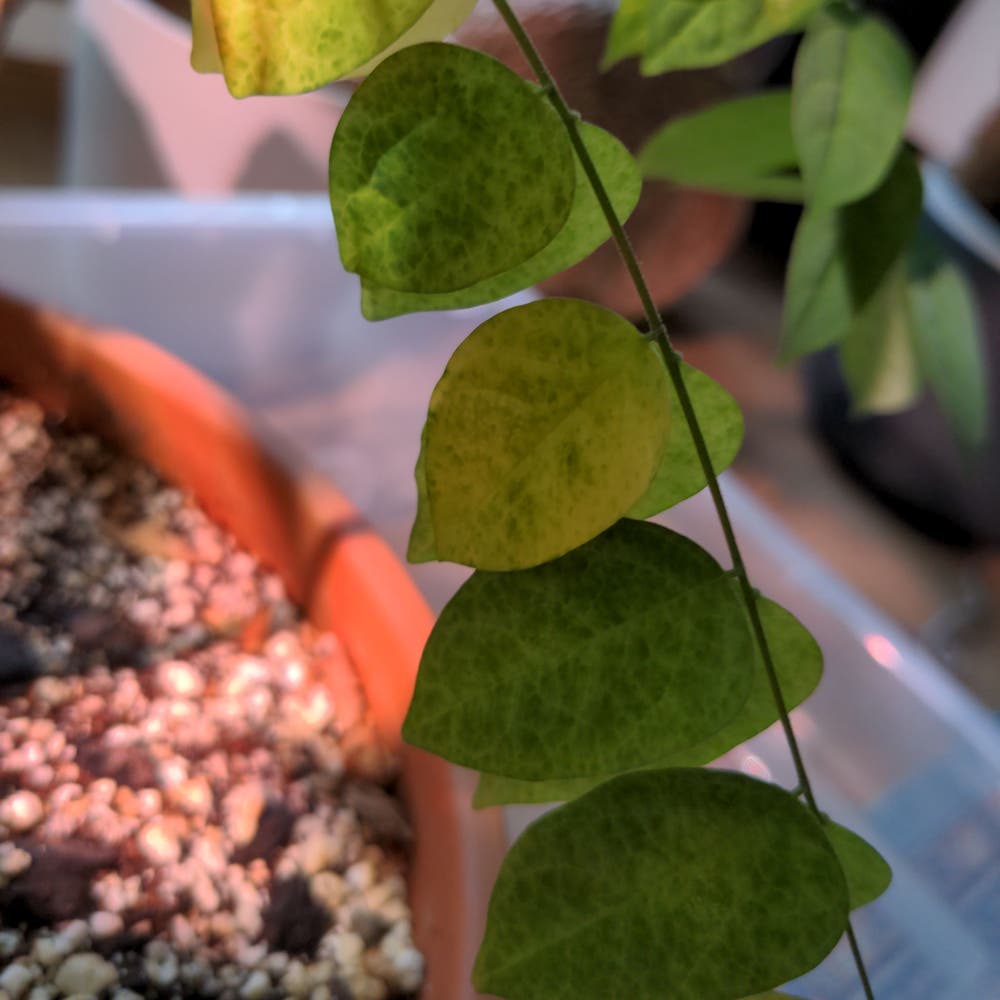
Temperature stress manifests through visual indicators such as yellowing leaves and leaf drop. You may also notice distorted or misshapen fruits.
Behaviorally, plants under temperature stress exhibit slowed growth and reduced flowering. These signs are crucial for identifying when your starfruit needs attention.
Causes of Temperature Stress ❄️🔥
Cold stress occurs when temperatures drop below 30°F (-1°C), often resulting in frost damage to young leaves and fruits. On the other hand, heat stress happens when temperatures exceed 100°F (38°C), leading to dehydration and sunburn from prolonged exposure.
Recovery Strategies for Temperature Stress 🌱
To combat cold stress, immediate protection methods include covering plants with frost cloths. Pruning damaged foliage can also encourage new growth.
For heat stress, providing shade during peak sun hours is essential. Additionally, increasing watering frequency helps combat dehydration and supports recovery.
Brief Mention of Humidity 💧
While temperature is critical, maintaining adequate humidity levels is equally important to complement the needs of your starfruit. A balanced environment fosters healthier growth and fruiting.
With a solid understanding of temperature requirements, you're well-equipped to nurture your starfruit. Next, we’ll explore how to recognize and address specific temperature-related challenges.
⚠️ Safety First
This content is for general information and may contain errors, omissions, or outdated details. It is not medical, veterinary advice, or an endorsement of therapeutic claims.
Always consult a qualified healthcare professional before using any plant as food, medicine, or supplement.
Never eat any plant (or feed one to pets) without confirming its identity with at least two trusted sources.
If you suspect poisoning, call Poison Control (800) 222-1222, the Pet Poison Helpline (800) 213-6680, or your local emergency service immediately.
Spotted an error? Please report it here.
Keep your starfruit thriving 🍈 by using Greg's tailored reminders to maintain the perfect temperature range for optimal growth and fruiting!