⭐ 4 Key Factors in Choosing a Starfruit Pot
Averrhoa carambola
By the Greg Editorial Team
Nov 26, 2024•6 min read
This article was created with the help of AI so we can cover more plants for you. May contain errors. See one? Report it here.
Cultivate thriving starfruit 🌟 by mastering pot sizes and materials for every growth stage—your plants will thank you!
- 🌱 Choose pots 4-6 inches for seedlings; repot every 6-12 months for growth.
- 🏺 Select 18-24 inch pots for mature trees to support extensive root systems.
- 💧 Ensure proper drainage with holes and use well-draining mix to prevent root rot.
Pot Size for Different Growth Stages
Recommended Sizes for Seedlings 🌱
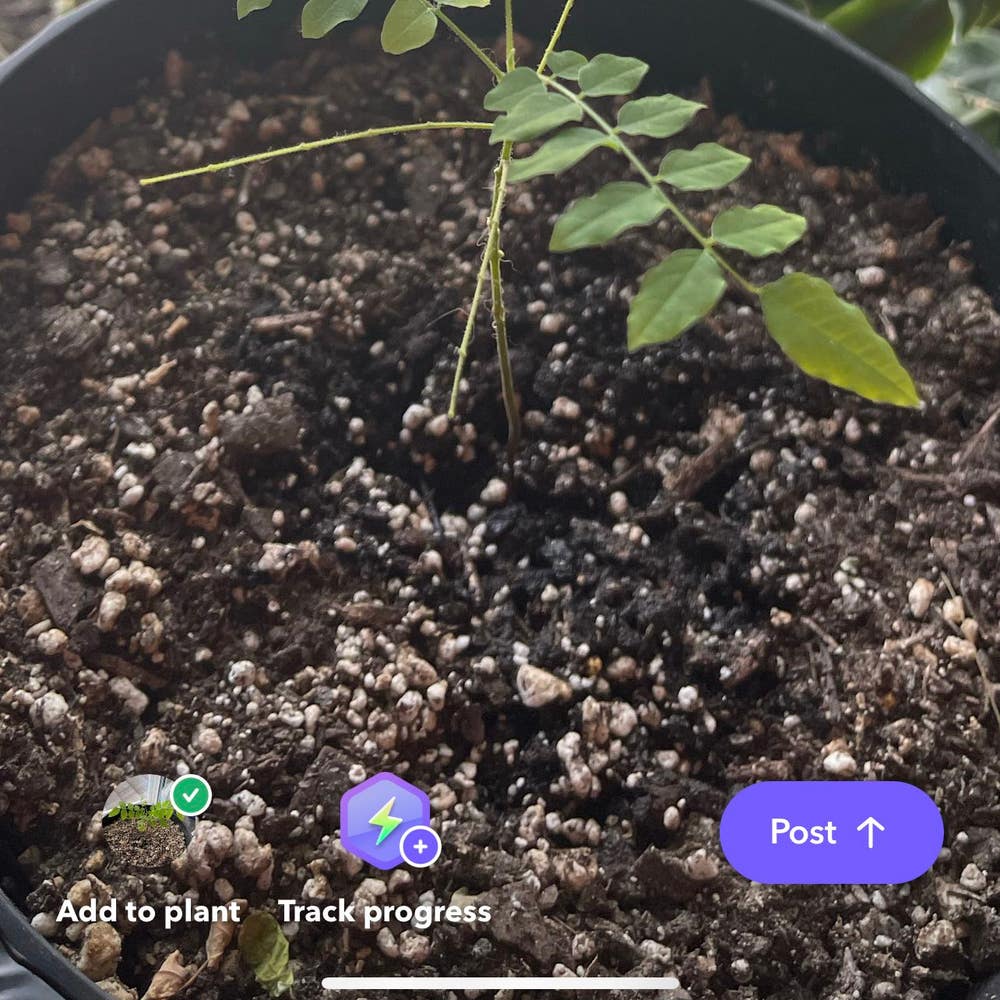
When starting your starfruit journey, choose a pot that is 4-6 inches in diameter. Ensure the depth is at least 6 inches to accommodate the initial root growth.
Repotting is essential for seedlings; aim to do this every 6-12 months as the plant grows. This keeps your young starfruit healthy and thriving.
Recommended Sizes for Young Plants 🌿
As your starfruit matures, transition to a pot size of 10-12 inches in diameter. The depth should also be between 10-12 inches to support the developing root systems.
Watch for roots beginning to emerge from the drainage holes; this is your cue to repot. Timing is crucial for maintaining healthy growth.
Recommended Sizes for Mature Trees 🌳
For mature starfruit trees, opt for a pot that is 18-24 inches in diameter. The depth should match this, allowing for extensive root growth.
If you're growing larger varieties like 'Fwang Tung', be prepared to provide even larger pots than those needed for 'Arkin'. Proper sizing is key to supporting your tree's full potential.
With the right pot size at each growth stage, your starfruit will flourish beautifully. Next, let’s explore the various pot materials that can enhance your plant's health and growth.
Pot Materials
Choosing the right pot material is crucial for the health of your starfruit plant. Each type of pot has its unique benefits and drawbacks, impacting everything from root health to ease of care.
🏺 Comparison of Clay vs. Plastic
When it comes to pot materials, clay and plastic are the most common options. Understanding their differences can help you make an informed choice.
Clay Pots
Clay pots are known for their breathability. This porous material allows air circulation to the roots, promoting healthier growth.
Additionally, clay pots naturally regulate moisture levels, which helps prevent overwatering. However, they come with some downsides.
Clay pots are heavier and less portable, making them a challenge to move around. They can also crack in extreme temperatures, which may lead to issues if you live in a climate with fluctuating weather.
Plastic Pots
On the other hand, plastic pots are lightweight and easy to move. This makes them a popular choice for gardeners who like to rearrange their plants frequently.
Plastic pots are available in a variety of sizes and colors, allowing for customization in your garden. However, they have their own set of challenges.
These pots are less breathable than clay, which can lead to root rot if drainage is not adequate. Additionally, plastic can retain heat, potentially stressing your plant in hot climates.
🧱 Other Materials to Consider
While clay and plastic are the most common, there are other materials worth considering.
- Fabric pots: These offer excellent drainage and aeration but may dry out faster than traditional pots.
- Metal pots: They can be visually appealing but may overheat, damaging the roots.
Choosing the right pot material is essential for your starfruit's success. Next, let’s explore the importance of drainage considerations to ensure your plant thrives.
Drainage Considerations
🌧️ Importance of Drainage Holes
Proper drainage is crucial for the health of your starfruit plant. Without drainage holes, water can accumulate at the bottom of the pot, leading to soggy soil and root problems.
To ensure effective drainage, aim for holes that are at least 1/2 inch in diameter. This size allows excess water to escape, preventing the roots from sitting in water.
🩺 How Drainage Affects Health
Overwatering is one of the biggest threats to your starfruit's health. It can lead to root rot and stunted growth, which can be frustrating for any gardener.
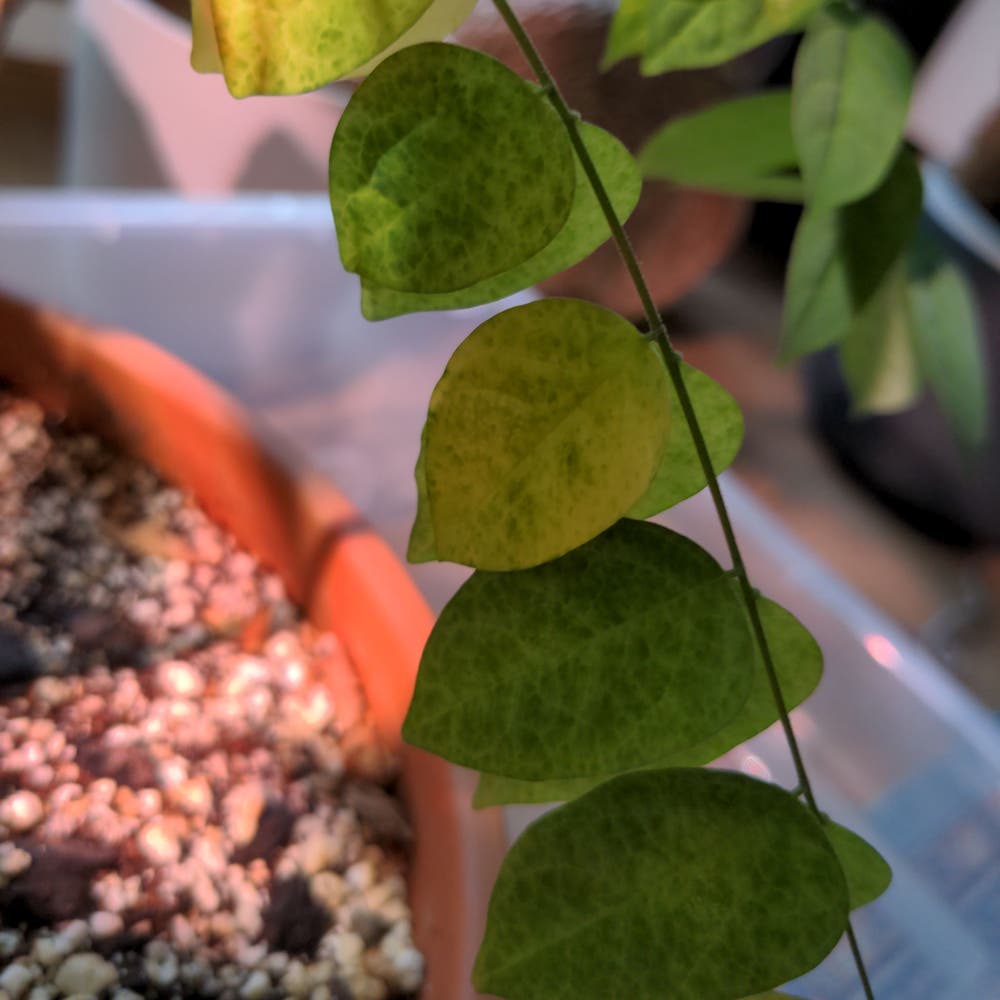
Watch for signs of poor drainage, such as yellowing leaves or wilting, even when you’ve watered adequately. These symptoms indicate that your plant may be struggling with excess moisture.
To combat drainage issues, consider using pots with multiple drainage holes. Alternatively, adding a layer of gravel at the bottom can help facilitate water flow and keep the roots happy.
With the right drainage setup, your starfruit will thrive, setting the stage for healthy growth and abundant fruit. Next, let’s explore the signs that it’s time to repot your starfruit for continued success.
Repotting Starfruit
🕵️♂️ Signs That It’s Time to Repot
Recognizing when to repot your starfruit is crucial for its health. Look for roots visible through drainage holes, as this indicates the plant has outgrown its current pot.
Stunted growth, despite proper care, is another sign. If the soil dries out too quickly after watering, it may be time for a larger home.
🛠️ Step-by-Step Guide to Repotting
Repotting doesn’t have to be daunting. Follow these simple steps to ensure a smooth transition for your starfruit:
- Choose a new pot that is 2-4 inches larger in diameter.
- Prepare fresh, well-draining potting mix to provide the best environment for growth.
- Gently remove the plant from its current pot, taking care not to damage the roots.
- Place the plant in the new pot, ensuring it sits at the same depth as before.
- Fill in around the roots with potting mix and water thoroughly to settle the soil.
🪴 Choosing the Right Pot When Repotting
Selecting the right pot is essential for your starfruit's continued growth. Consider the growth stage of your plant; the new pot should match its current size and growth habits.
Material choice also plays a role. Select a pot based on your climate and personal preference for maintenance. A well-chosen pot can make all the difference in your starfruit's health and vitality.
With these tips, you can confidently repot your starfruit, ensuring it has the space and resources it needs to thrive. Next, let’s explore how the choice of pot can impact your plant’s growth and development.
Impact of Pot Choice on Growth
How Pot Choice Influences Nutrient Uptake 🌱
The size and material of your starfruit pot can significantly affect soil temperature and moisture retention, which in turn impacts nutrient availability. Larger pots not only provide more soil but also have the capacity to hold more nutrients, giving your plant a better chance to thrive.
Effects on Root Development 🌿
Adequate space in the pot is crucial for healthy root expansion. When roots have room to grow, they face less competition for nutrients, leading to a more robust plant.
Material Matters 🧱
The choice of pot material also plays a vital role in root health. Clay pots promote aeration, allowing roots to breathe and preventing waterlogging. On the other hand, plastic pots can retain moisture longer, which might be beneficial in drier climates but could lead to root issues if not monitored carefully.
In summary, selecting the right pot for your starfruit is not just about aesthetics; it directly influences nutrient uptake and root development. With the right choices, you can set your starfruit on a path to vibrant growth and fruit production.
Next, let’s explore the essential drainage considerations to keep your starfruit healthy and thriving.
⚠️ Safety First
This content is for general information and may contain errors, omissions, or outdated details. It is not medical, veterinary advice, or an endorsement of therapeutic claims.
Always consult a qualified healthcare professional before using any plant as food, medicine, or supplement.
Never eat any plant (or feed one to pets) without confirming its identity with at least two trusted sources.
If you suspect poisoning, call Poison Control (800) 222-1222, the Pet Poison Helpline (800) 213-6680, or your local emergency service immediately.
Spotted an error? Please report it here.
Choose the perfect pot for your starfruit 🌱 with Greg's tailored reminders and expert tips to keep your plant thriving every step of the way!