🌟 Ultimate Guide to Humidity for Starfruit
Averrhoa carambola
By the Greg Editorial Team
Nov 26, 2024•7 min read
This article was created with the help of AI so we can cover more plants for you. May contain errors. See one? Report it here.
Master humidity levels 🌧️ to help your starfruit thrive and enjoy a bountiful harvest of delicious fruit! 🍈
- 🌧️ High humidity is crucial for starfruit growth, promoting healthy leaves and fruit.
- ❗️ Low humidity causes stress, leading to leaf curling and dropping in starfruit plants.
- 🌬️ Balance humidity levels to prevent fungal diseases and ensure optimal starfruit health.
Humidity Needs of Starfruit
Importance of Humidity for Growth 🌱
Humidity plays a crucial role in the growth of starfruit. High humidity levels are essential as they promote healthy leaf development and encourage fruit set, ensuring your starfruit tree thrives.
Conversely, low humidity can create stress for the plant. Symptoms like leaf curling and dropping are common indicators that your starfruit isn't getting the moisture it needs.
The Balance of Humidity ⚖️
Finding the right humidity balance is key to successful starfruit cultivation. Too much or too little can lead to various issues, impacting both the health of the plant and the quality of the fruit.
Understanding these humidity needs will help you create an optimal environment for your starfruit. This knowledge sets the stage for exploring how to assess local humidity levels effectively.
Humidity Types
Difference between absolute and relative humidity 🌧️
Understanding humidity is crucial for nurturing your starfruit plants. Let's break down the two main types: absolute and relative humidity.
Absolute humidity explained 💧
Absolute humidity refers to the total amount of water vapor present in a specific volume of air. This measurement is expressed in grams of water per cubic meter of air, providing a clear picture of moisture content.
Relative humidity for Starfruit 🌴
Relative humidity, on the other hand, measures the percentage of moisture in the air compared to the maximum amount the air can hold at a given temperature. For starfruit, maintaining an optimal relative humidity level is essential for healthy growth and fruit production.
By grasping these concepts, you can better manage the humidity needs of your starfruit plants. Understanding both absolute and relative humidity will empower you to create the ideal environment for thriving starfruit.
Assessing Local Humidity
How to Measure Local Humidity Levels 🌡️
To ensure your starfruit thrives, measuring local humidity is crucial. You can use tools like hygrometers or weather apps to get accurate readings.
Hygrometers are dedicated devices that provide real-time humidity levels. Weather apps can also give you a general idea, but they may not be as precise.
For the best results, measure humidity at different times of the day. This practice helps you capture variations that occur due to temperature changes and daily weather patterns.
Understanding Seasonal Humidity Variations 🌦️
Humidity levels fluctuate with the seasons, impacting your starfruit's health. Typically, summer brings high humidity, which is beneficial for growth.
In contrast, winter often sees lower humidity levels. This seasonal shift can stress your plants, so it's essential to monitor and adjust your care accordingly.
By understanding these seasonal changes, you can better prepare your starfruit for the conditions it faces throughout the year. This knowledge empowers you to take proactive steps in maintaining optimal humidity levels.
As you assess local humidity, consider the strategies for boosting humidity that follow. These methods will help create a more favorable environment for your starfruit.
Strategies for Boosting Humidity
🌬️ Using humidifiers for indoor Starfruit
Humidifiers are a fantastic way to maintain the right humidity levels for your indoor starfruit. You can choose between cool mist and warm mist humidifiers, each offering unique benefits.
Cool mist humidifiers are great for adding moisture without raising the temperature, making them ideal for warmer climates. On the other hand, warm mist humidifiers can help create a cozy environment, especially during cooler months.
For optimal performance, place your humidifier near your starfruit but not directly on it. Regular maintenance is key; clean your humidifier weekly to prevent mold and bacteria buildup.
🌱 Grouping plants to increase humidity
Grouping your plants is a simple yet effective strategy to boost humidity. When you place starfruit alongside other plants, they create a microenvironment that retains moisture.
This natural humidity boost helps your starfruit thrive, as the plants release moisture through transpiration. Plus, it adds a lush, vibrant look to your indoor space.
🪨 Pebble trays and their effectiveness
Creating a pebble tray is an easy DIY solution for increasing humidity around your starfruit. Simply fill a shallow tray with pebbles and add water until it just touches the pebbles.
As the water evaporates, it raises the humidity levels in the surrounding area. This method is particularly effective in small spaces and can be a stylish addition to your plant display.
💦 Misting techniques and best practices
Misting your starfruit can provide an immediate humidity boost. Aim to mist your plants in the early morning or late afternoon when temperatures are cooler.
Be mindful not to overdo it; misting too frequently can lead to waterlogged leaves. A light misting a few times a week is usually sufficient to keep your starfruit happy and healthy.
By implementing these strategies, you'll create a thriving environment for your starfruit. Next, let’s explore how to identify and address signs of inadequate humidity.
Strategies for Reducing Humidity
👀 Identifying Signs of Excessive Humidity
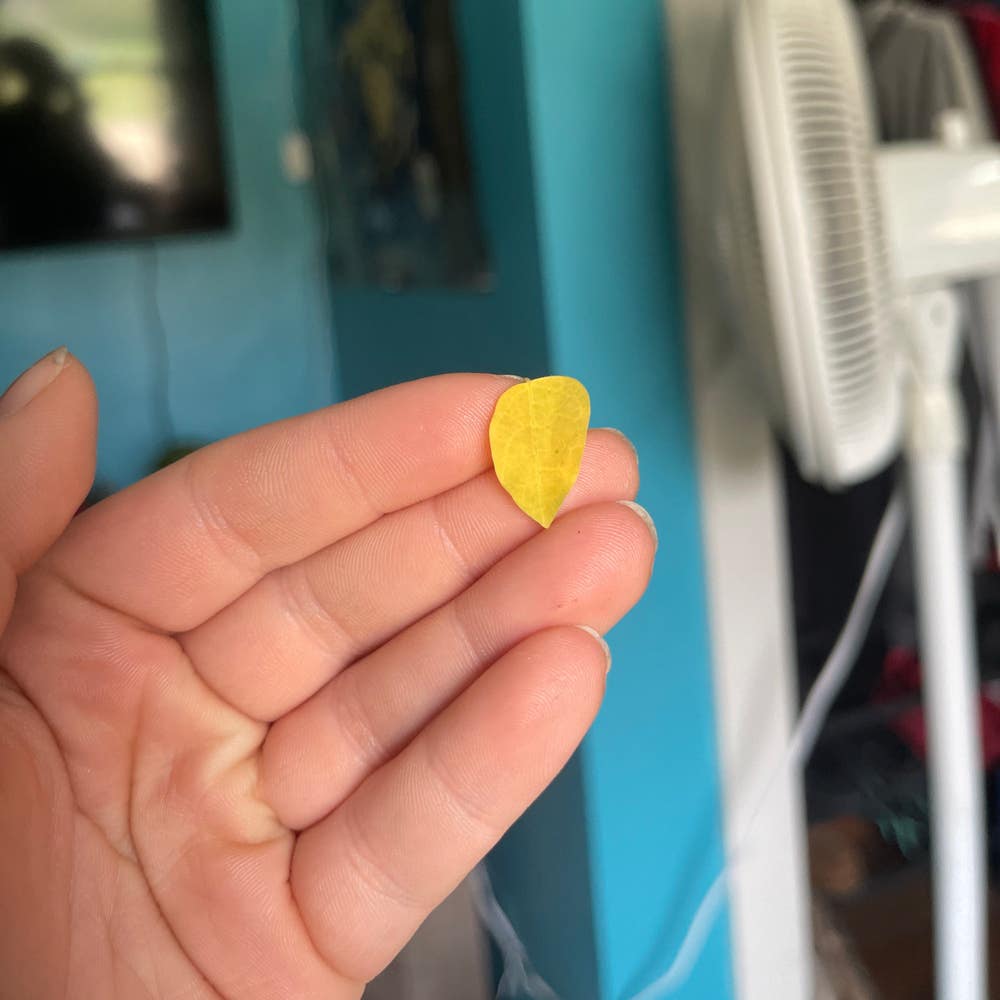
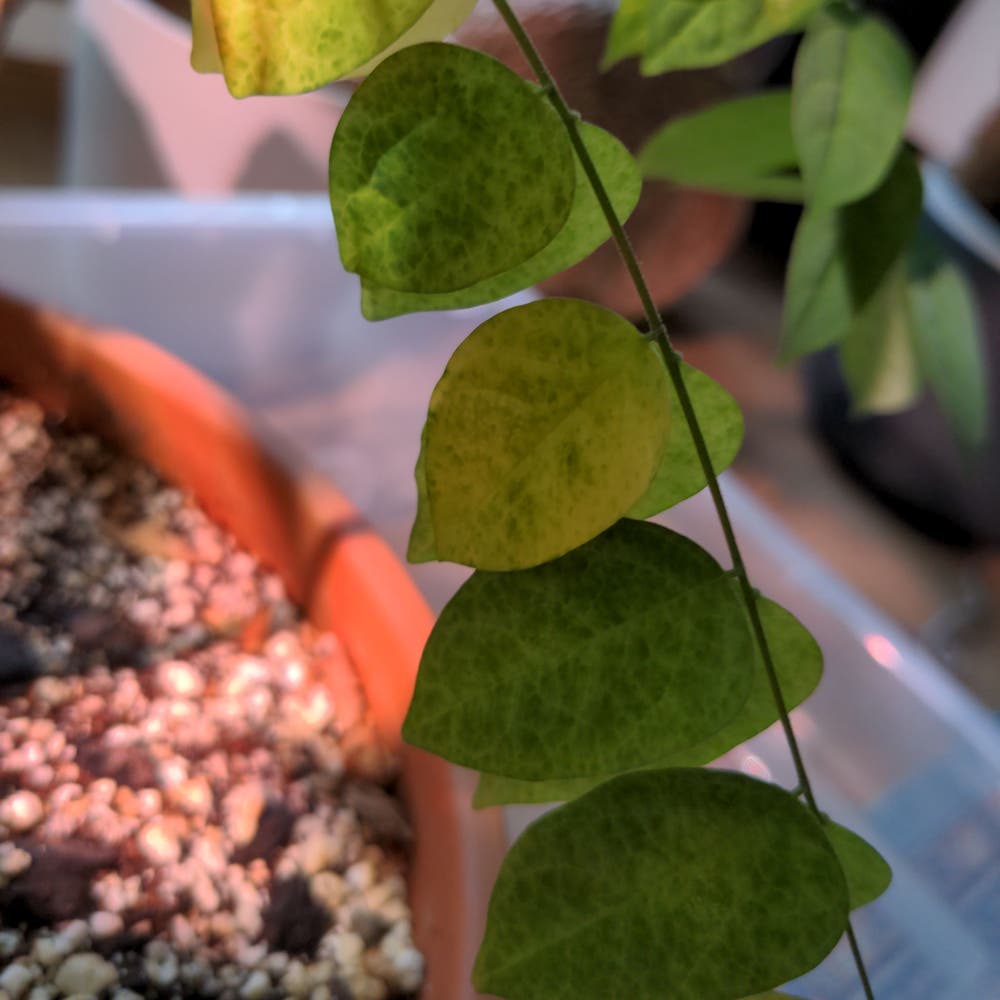
Excessive humidity can wreak havoc on your starfruit plants. Watch for symptoms like fungal diseases and leaf yellowing, which signal that the moisture levels are too high.
💨 Ventilation Techniques to Lower Humidity
Improving air circulation is key to managing humidity. Simple solutions include using fans or opening windows to allow fresh air to flow through your growing space.
💧 Using Dehumidifiers in High-Humidity Environments
In regions where humidity levels are consistently high, a dehumidifier can be a game changer. These devices help maintain a balanced environment, ensuring your starfruit thrives without the stress of excess moisture.
By implementing these strategies, you can create a healthier atmosphere for your starfruit, setting the stage for vibrant growth and fruitful harvests. Next, let's explore how humidity directly impacts the health of your starfruit plants.
Humidity and Starfruit Health
🌧️ Common humidity-related issues
Humidity plays a crucial role in the health of starfruit plants. One of the most common problems is leaf drop and curling, which often signals that the humidity levels are not optimal.
Causes and Solutions
Low humidity can cause leaves to curl inward, while excessively high humidity may lead to leaf drop. To combat these issues, ensure your starfruit is in an environment with consistent humidity levels, ideally between 40% and 60%. Regularly monitoring humidity can help you catch these problems early.
🍄 Fungal diseases
Fungal diseases thrive in high humidity conditions. These can manifest as spots on leaves or a general decline in plant health.
Conditions and Prevention
To prevent fungal growth, maintain good air circulation around your starfruit. This can be achieved by spacing plants adequately and using fans if necessary. Additionally, avoid overhead watering, which can create a damp environment conducive to fungal development.
🚨 Signs of inadequate humidity and how to address them
Recognizing the signs of inadequate humidity is key to maintaining a healthy starfruit. Symptoms include leaf curling and stunted growth, both of which indicate that your plant is struggling.
Symptoms to Watch For
If you notice leaves curling or a general lack of vigor in your starfruit, it’s time to assess the humidity levels. These signs often suggest that the air is too dry for optimal growth.
Action Steps to Improve Humidity
To boost humidity, consider using a humidifier or grouping your plants together. Misting can also help, but be mindful of the timing—early morning is usually best to allow leaves to dry throughout the day.
By staying vigilant and proactive about humidity, you can ensure your starfruit thrives and produces delicious fruit.
Next, let’s explore effective strategies for boosting humidity around your starfruit plants.
⚠️ Safety First
This content is for general information and may contain errors, omissions, or outdated details. It is not medical, veterinary advice, or an endorsement of therapeutic claims.
Always consult a qualified healthcare professional before using any plant as food, medicine, or supplement.
Never eat any plant (or feed one to pets) without confirming its identity with at least two trusted sources.
If you suspect poisoning, call Poison Control (800) 222-1222, the Pet Poison Helpline (800) 213-6680, or your local emergency service immediately.
Spotted an error? Please report it here.
Keep your starfruit thriving and fruitful 🍈 by using Greg's tailored humidity tips and monitoring tools to create the perfect environment for growth!