⭐ How to Recognize and Treat Root Rot in Your Starfruit
Averrhoa carambola
By the Greg Editorial Team
Nov 26, 2024•5 min read
This article was created with the help of AI so we can cover more plants for you. May contain errors. See one? Report it here.
Save your starfruit from root rot 🌱 and unlock its full potential with these essential diagnosis and treatment tips! 🌟
- 💧 Overwatering causes root rot in starfruit, leading to oxygen deprivation in roots.
- 🌱 Symptoms include yellowing leaves and foul odors; early detection is crucial for recovery.
- 🛠️ Repot in well-draining soil and trim affected roots to treat root rot effectively.
Causes of Root Rot
💧 Overwatering
Overwatering occurs when there’s excessive moisture in the soil, leading to oxygen deprivation in the roots. This can happen due to inconsistent watering schedules or poor drainage in pots or soil.
🍄 Fungal Infections
Fungal infections are a significant cause of root rot, with Phytophthora and Pythium species being the most common culprits. These fungi thrive in conditions of high humidity and warm temperatures combined with wet soil.
🕳️ Soil Drainage Issues
Well-draining soil is crucial for healthy root systems. Heavy clay soils and compacted soils are notorious for retaining too much moisture, creating an environment ripe for root rot.
Understanding these causes is essential for preventing root rot in your starfruit. By addressing overwatering, fungal threats, and soil drainage, you can keep your plant thriving and healthy.
Symptoms of Root Rot
🕵️♂️ Recognizing Root Rot
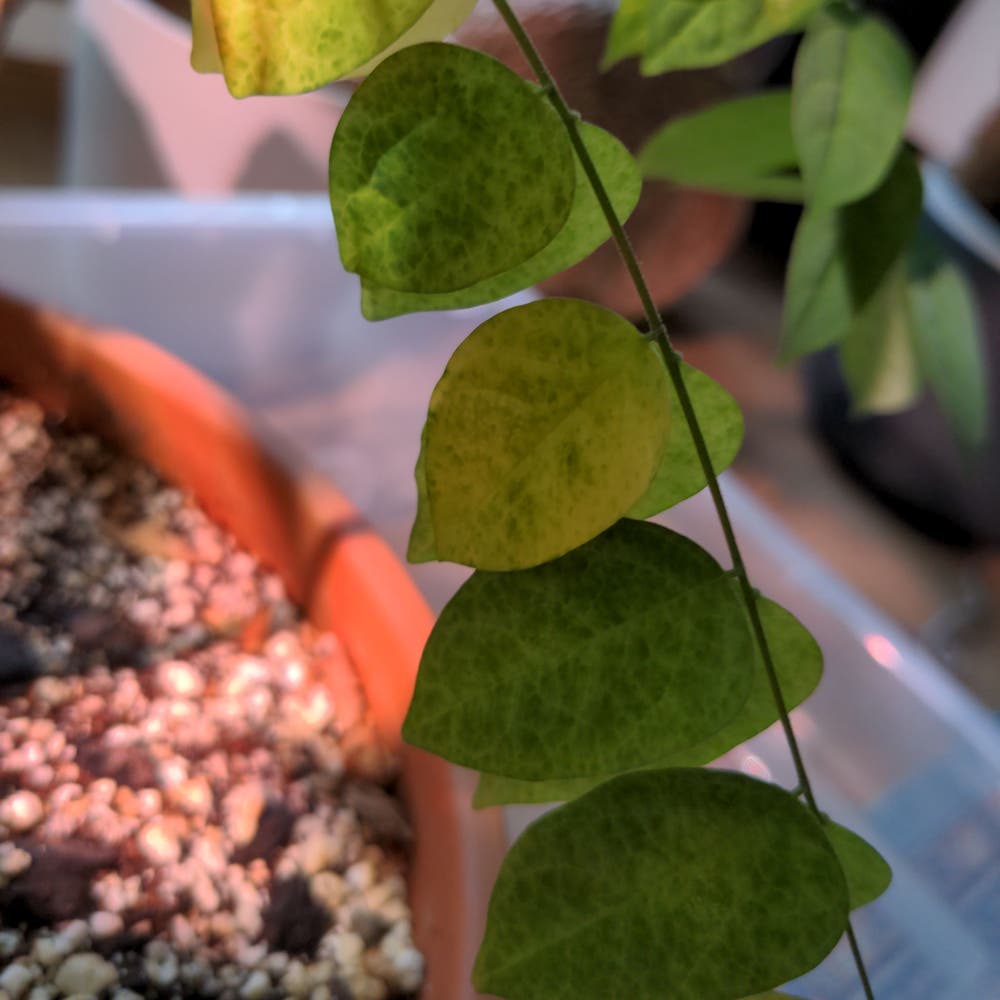
Root rot can be a sneaky problem for your starfruit plant. Keep an eye out for yellowing leaves, which often signal nutrient deficiencies and stress.
Wilting is another red flag; even if you’ve watered adequately, droopy leaves can indicate trouble. Lastly, check the roots: healthy ones should be firm and white, while dark, mushy roots are a clear sign of rot.
🚨 Other Symptoms
Stunted growth is a common symptom of root rot. If your plant seems to be losing its vigor and size, it might be time to investigate further.
Leaf drop can also occur, with premature shedding indicating distress. Additionally, a foul odor emanating from the soil is a telltale sign of decaying roots, signaling that immediate action is needed.
Recognizing these symptoms early can make a significant difference in your plant's recovery. Next, let’s explore how to diagnose root rot effectively.
How to Diagnose Root Rot
🕵️♂️ Step-by-Step Diagnosis Process
Diagnosing root rot in your starfruit plant is crucial for timely intervention. Follow these steps to identify the problem effectively.
Inspect the Plant Visually
Start by examining your plant for any visible symptoms of root rot. Look for yellowing leaves, wilting, or any unusual signs that indicate stress.Remove the Plant from Its Pot
Gently take the plant out of its pot to get a closer look at the root system. This step is essential for assessing the health of the roots.Check the Color and Texture of the Roots
Healthy roots should be firm and white, while affected roots will appear dark, mushy, and may emit a foul smell. This contrast is a clear indicator of root health.Assess Soil Moisture Levels
Use a moisture meter or perform a finger test to check for excessive moisture in the soil. Overly wet soil is a common culprit behind root rot.
By following these steps, you can accurately diagnose root rot and take the necessary actions to save your starfruit plant.
🚀 Next Steps
Once you've identified root rot, it's time to explore treatment options. Understanding how to treat the condition effectively will help restore your plant's health and vitality.
Treatment for Root Rot
Step-by-Step Treatment Process 🌱
Dealing with root rot can be daunting, but with the right approach, your starfruit can bounce back. Start by carefully removing the plant from its pot and gently washing the roots to eliminate any soil clinging to them.
Next, inspect the roots closely. Trim away all affected roots using sterilized scissors to prevent further spread of decay. After trimming, allow the remaining healthy roots to dry for a few hours to help them recover.
Prepare a new pot with a well-draining soil mix. This is crucial for preventing future issues. Finally, repot the plant, ensuring that the soil allows for proper drainage to keep the roots healthy.
Recommended Treatments 💊
In addition to repotting, consider using fungicides to combat root rot. Copper-based fungicides are particularly effective against root rot pathogens and can help protect your plant.
Alternatively, you might explore biological treatments, which introduce beneficial bacteria that combat root rot. These options can enhance your plant's resilience and promote healthier growth.
How to Repot Affected Plants 🪴
When repotting, choose a pot with drainage holes to facilitate excess water escape. Start by filling the bottom with gravel or perlite, which enhances drainage and prevents water from pooling.
Place the plant in the center of the pot and fill it with fresh soil, taking care to avoid soil compaction. After repotting, water lightly and keep an eye on your plant for signs of recovery.
By following these steps, you can effectively treat root rot and help your starfruit thrive once again. Next, let’s explore how to prevent root rot from occurring in the first place.
Prevention of Root Rot
🌊 Best Practices for Watering
Establishing a consistent watering schedule is crucial for preventing root rot. Water your starfruit when the top inch of soil feels dry, and remember to reduce watering frequency during cooler months to avoid excess moisture.
🕳️ Importance of Soil Drainage
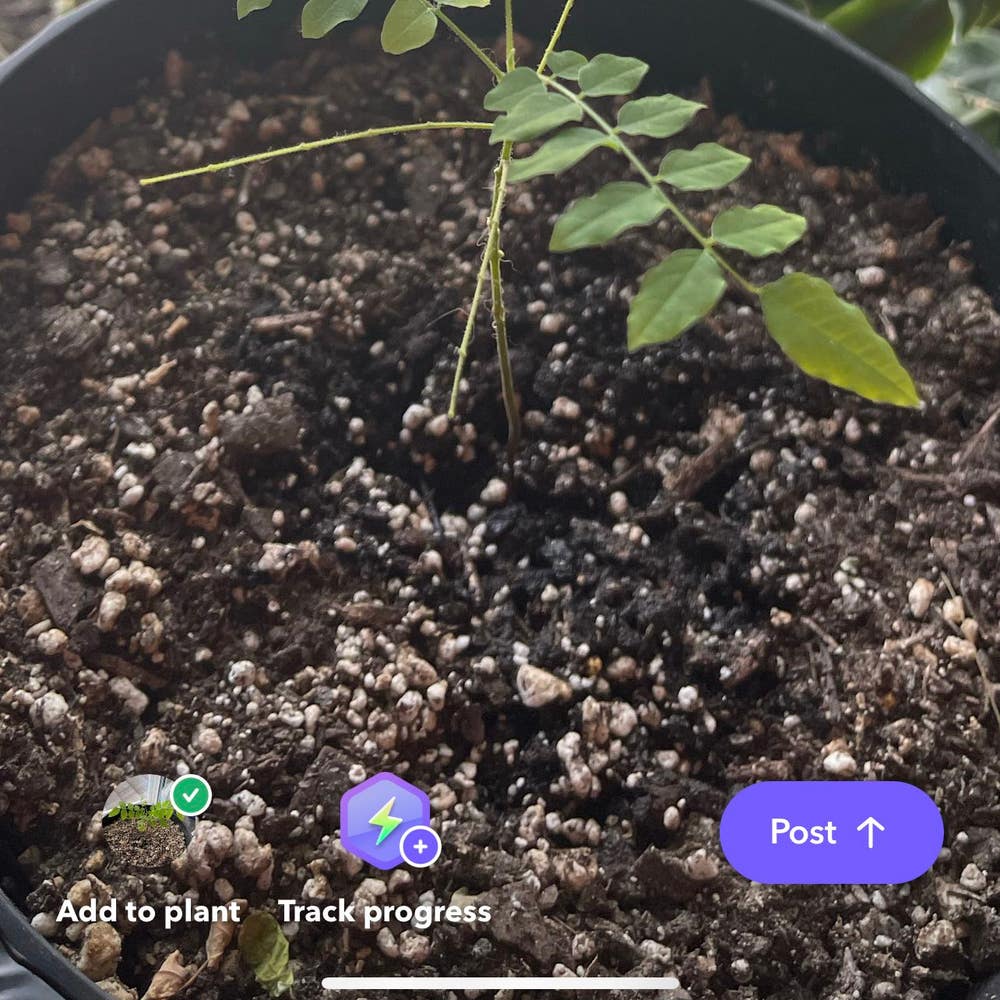
Using a well-draining potting mix is essential for healthy root development. A recommended mix consists of 50% potting soil, 25% perlite, and 25% sand to ensure adequate drainage.
Regularly check drainage holes for blockages to maintain proper airflow and moisture levels. This simple step can make a significant difference in preventing root rot.
🪴 Choosing the Right Pot
Selecting the right pot material can enhance your plant's health. Terracotta pots are excellent for air circulation and drainage, while plastic pots are lightweight but must have adequate drainage holes.
When it comes to pot size, start with a pot that is at least 12 inches in diameter for young plants. This gives the roots ample space to grow without becoming waterlogged.
By following these prevention strategies, you can keep your starfruit thriving and free from root rot. Next, let's explore how to recognize the symptoms of root rot to catch any issues early.
⚠️ Safety First
This content is for general information and may contain errors, omissions, or outdated details. It is not medical, veterinary advice, or an endorsement of therapeutic claims.
Always consult a qualified healthcare professional before using any plant as food, medicine, or supplement.
Never eat any plant (or feed one to pets) without confirming its identity with at least two trusted sources.
If you suspect poisoning, call Poison Control (800) 222-1222, the Pet Poison Helpline (800) 213-6680, or your local emergency service immediately.
Spotted an error? Please report it here.
Keep your starfruit thriving and root rot-free 🌿 with Greg's tailored watering alerts and soil moisture checks to help you catch issues before they start!