⭐ How Big a Starfruit Gets
Averrhoa carambola
By the Greg Editorial Team
Nov 26, 2024•5 min read
This article was created with the help of AI so we can cover more plants for you. May contain errors. See one? Report it here.
Unlock the secret to thriving starfruit trees 🌳 that fit perfectly in any garden space, big or small!
- 🌳 Starfruit trees grow 20-30 feet tall; dwarf varieties reach only 3-6 feet.
- ☀️ Optimal growth requires full sun for 6-8 hours daily and well-drained soil.
- ✂️ Regular pruning promotes healthy growth and better fruit production in starfruit trees.
Mature Height and Spread
Typical Dimensions 🌳
Starfruit trees can reach impressive heights, typically growing between 20 to 30 feet. Their spread is equally notable, ranging from 15 to 25 feet, making them a striking addition to any landscape.
Factors Influencing Size 📏
The size of a starfruit tree can vary significantly based on the cultivar and environmental conditions. For instance, standard varieties tend to grow larger, while dwarf varieties are cultivated for smaller spaces, reaching only 3 to 6 feet in height.
Understanding these factors can help you choose the right type of starfruit tree for your garden or yard. Whether you're looking for a towering centerpiece or a compact option, there's a starfruit variety that fits your needs perfectly.
As you consider planting, keep in mind how these dimensions and factors will influence your garden's overall design and functionality. Next, let’s explore how quickly these trees grow and the time it takes to reach their full size.
Growth Rate and Time to Reach Full Size
🌱 Growth Rate
Starfruit trees are known for their impressive growth rate, especially when planted in optimal conditions. Under ideal circumstances, you can expect them to reach their mature height in just 3 to 5 years.
⚖️ Factors Affecting Growth Rate
Several factors influence how quickly your starfruit tree grows.
🌡️ Climate Influence
Warm, tropical climates are the best for promoting rapid growth. The right temperature and humidity levels can significantly speed up the process.
🌍 Soil Quality and Drainage
Soil quality plays a crucial role as well. Well-drained, slightly acidic soils not only support healthy growth but also enhance the overall size of the tree.
Understanding these elements can help you create the perfect environment for your starfruit tree, ensuring it thrives and reaches its full potential. As you plan your garden, consider how these factors will impact your starfruit's growth journey.
Next, let’s explore how different growing conditions can affect the size variability of starfruit trees.
Size Variability Based on Growing Conditions
🌞 Environmental Factors
Sunlight plays a crucial role in the growth of starfruit trees. For optimal growth, they need full sun exposure for about 6 to 8 hours daily.
Watering is equally important. Consistent moisture is essential, but be cautious of waterlogging, as it can hinder the tree's size and health.
🌱 Soil Conditions
The ideal soil type for starfruit trees is well-draining and slightly acidic, with a pH range of 5.5 to 6.5. This soil composition supports healthy root development and overall growth.
Nutrient availability also significantly impacts growth and size. Ensuring that your starfruit tree has access to essential nutrients will promote robust growth and larger fruit production.
Understanding these factors can help you create the best environment for your starfruit tree. By optimizing sunlight, watering, and soil conditions, you can maximize its growth potential and enjoy a bountiful harvest.
Next, let’s explore the differences between dwarf and giant varieties of starfruit.
Dwarf and Giant Varieties
Dwarf Varieties 🌱
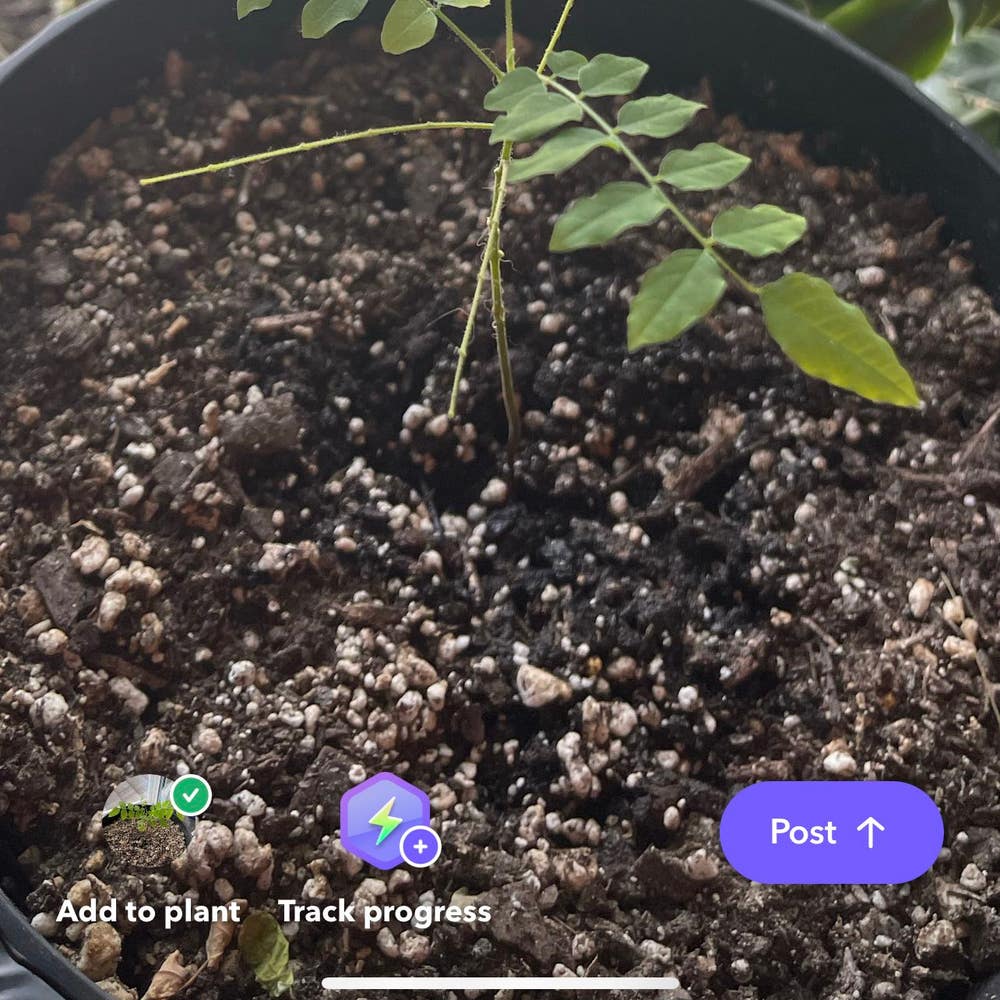
Dwarf starfruit trees are perfect for those with limited space. These compact varieties typically reach heights of just 3 to 6 feet, making them ideal for container gardening or small backyards.
Their smaller size doesn't compromise on fruit production. In fact, they can still yield a generous harvest while fitting snugly into your garden or patio.
Giant Varieties 🌳
On the other end of the spectrum, giant starfruit varieties can exceed the typical height and spread. These impressive trees may grow taller than 30 feet, requiring ample space to thrive.
Cultivating giant starfruit comes with its own set of challenges. They demand more care and attention, especially when it comes to fruit production, but the rewards can be substantial for those willing to invest the effort.
Understanding the differences between dwarf and giant varieties can help you choose the right starfruit tree for your gardening needs. Whether you're looking to maximize a small area or have the space for a grand tree, there's a starfruit variety that fits your vision.
Next, let’s explore the pruning techniques that can help you manage the size of your starfruit tree effectively.
Pruning Techniques for Size Control
Importance of Pruning 🌳
Pruning is essential for managing the size of your starfruit tree while promoting healthy growth. Regular pruning helps shape the tree, ensuring it remains manageable and productive.
Pruning Methods ✂️
Initial shaping: Start pruning young trees to establish a strong structure. This sets the foundation for future growth and size control.
Regular maintenance: Conduct annual pruning to keep the tree's height and spread in check. This practice prevents overcrowding and encourages better fruit production.
Techniques: Thin out branches to improve air circulation and light penetration. This not only enhances growth but also reduces the risk of disease.
Timing and Frequency ⏰
The best times to prune your starfruit tree are late winter or early spring, just before new growth begins. Aim to prune annually to maintain your desired size and shape, ensuring your tree thrives for years to come.
With proper pruning techniques, you can enjoy a healthy, well-sized starfruit tree that fits perfectly in your garden. Next, let’s explore the fascinating world of dwarf and giant starfruit varieties.
⚠️ Safety First
This content is for general information and may contain errors, omissions, or outdated details. It is not medical, veterinary advice, or an endorsement of therapeutic claims.
Always consult a qualified healthcare professional before using any plant as food, medicine, or supplement.
Never eat any plant (or feed one to pets) without confirming its identity with at least two trusted sources.
If you suspect poisoning, call Poison Control (800) 222-1222, the Pet Poison Helpline (800) 213-6680, or your local emergency service immediately.
Spotted an error? Please report it here.
Grow a thriving starfruit tree 🌟 with Greg's tailored care reminders and expert tips to ensure your garden flourishes and rewards you with delicious fruit!