3 Tips for Handling Bugs on Starfruit 🐞
Averrhoa carambola
By the Greg Editorial Team
Nov 26, 2024•7 min read
This article was created with the help of AI so we can cover more plants for you. May contain errors. See one? Report it here.
Safeguard your starfruit tree from pesky invaders 🌱 with these essential tips for a bountiful harvest! 🍏
- 🐜 Identify pests like spider mites and scale to prevent damage to starfruit trees.
- 🌱 Regular inspections and optimal conditions are key to avoiding pest infestations.
- 🌿 Use Integrated Pest Management (IPM) for effective and eco-friendly pest control.
Common Pests Affecting Starfruit
🕷️ Spider Mites
Identification
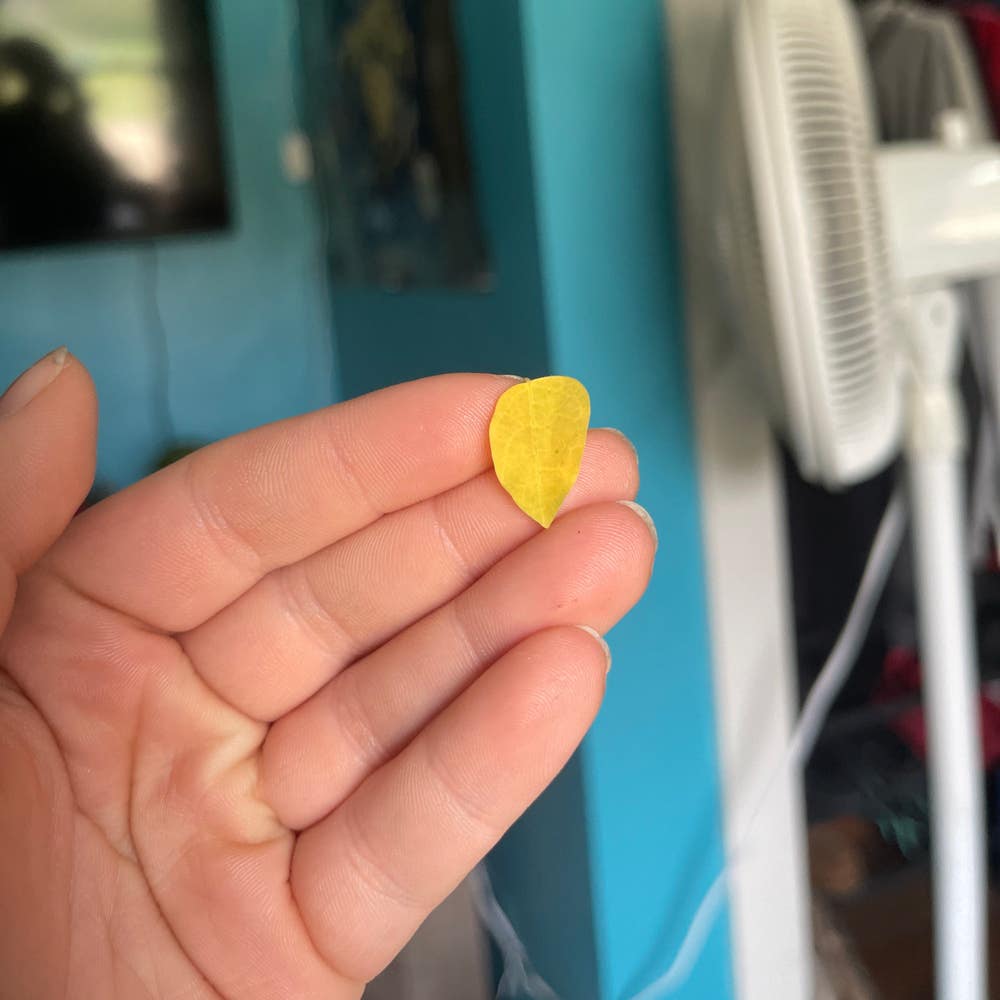
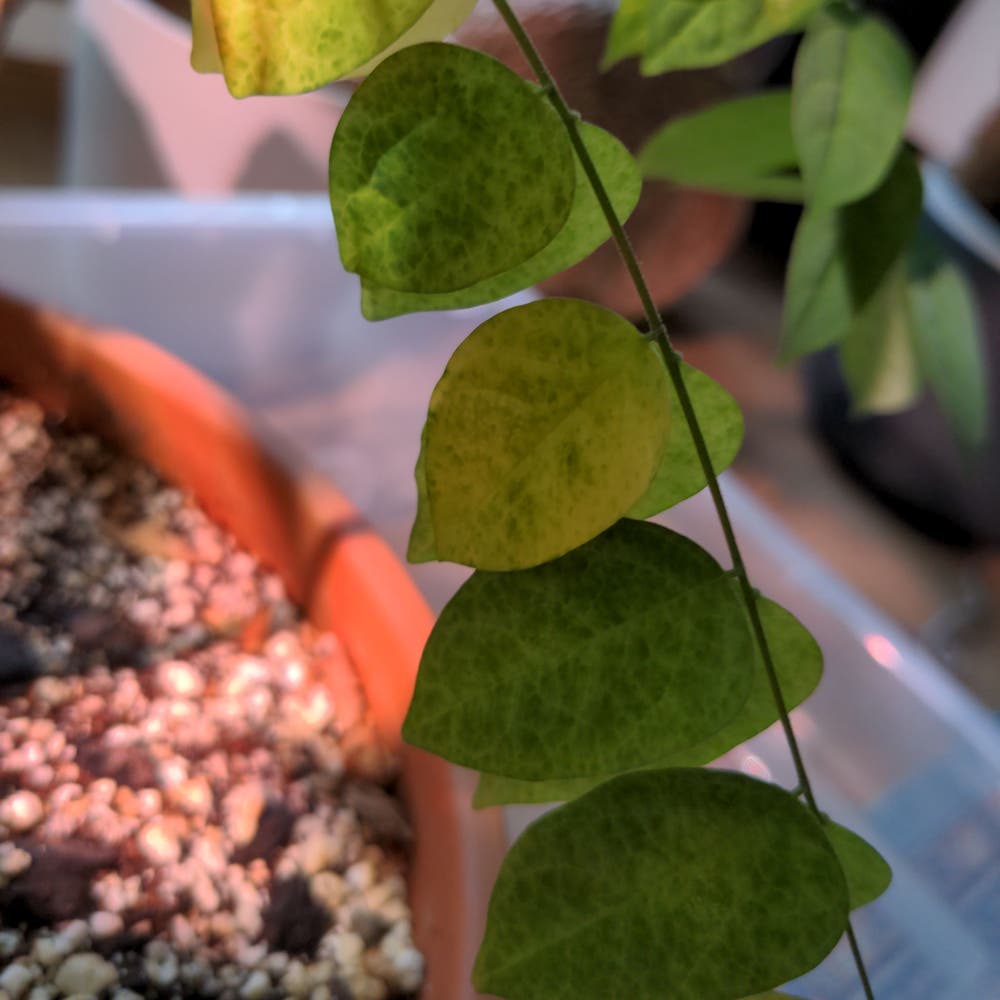
Spider mites are tiny, spider-like creatures that can be red or green. Look for fine webbing on leaves and stippled or yellowing foliage as telltale signs of their presence.
Damage Caused
These pests feed on plant sap, which weakens the plant and diminishes fruit quality. If left unchecked, spider mites can lead to significant stress on your starfruit tree.
Treatment Options
For chemical solutions, consider using miticides specifically designed to target spider mites. Organic options include neem oil, insecticidal soap, and increasing humidity around the plant to deter these pests.
🐢 Scale Insects
Identification
Scale insects appear as small, oval-shaped pests with waxy or hard shells on stems and leaves. Sticky leaves, often accompanied by black sooty mold, are common indicators of an infestation.
Damage Caused
These insects suck sap from the plant, resulting in yellowing leaves and stunted growth. Their feeding habits can severely impact the overall health of your starfruit tree.
Treatment Options
Chemical treatments like systemic insecticides can effectively manage scale insects. For organic control, try horticultural oil, manual removal, or introducing natural predators like ladybugs to your garden.
🐛 Mealybugs
Identification
Mealybugs are easily recognized by their white, cottony masses found on stems and leaf joints. Sticky leaves and potential sooty mold growth are signs that these pests are at work.
Damage Caused
By extracting sap, mealybugs weaken the plant, which can lead to leaf drop. Their presence can significantly affect the vitality of your starfruit.
Treatment Options
Chemical solutions include insecticidal soap or systemic insecticides. For an organic approach, use rubbing alcohol on cotton swabs for manual removal or apply neem oil to deter them.
🐜 Aphids
Identification
Aphids are small, soft-bodied insects that can be green or black. Look for curling leaves, sticky surfaces (honeydew), and the presence of ants, which often accompany these pests.
Damage Caused
These pests feed on sap, causing leaf distortion and potentially transmitting viruses. Their rapid reproduction can lead to larger infestations if not managed promptly.
Treatment Options
Broad-spectrum insecticides can be effective against aphids. Alternatively, consider organic methods like insecticidal soap or introducing beneficial insects like ladybugs to keep their numbers in check.
🦋 Whiteflies
Identification
Whiteflies are tiny, moth-like insects that fly away when disturbed. Signs of their presence include yellowing leaves and sticky surfaces due to honeydew.
Damage Caused
By extracting sap, whiteflies weaken the plant and can spread diseases. Their feeding can lead to a decline in the health of your starfruit tree.
Treatment Options
Insecticides specifically targeting whiteflies can help manage infestations. For organic control, use yellow sticky traps, insecticidal soap, or introduce natural predators to your garden.
🐞 Weevils
Identification
Weevils are small, elongated beetles with distinctive snouts. Look for holes in leaves and potential root damage as signs of their activity.
Damage Caused
These pests feed on foliage and roots, causing plant stress and decline. Their impact can be severe if not addressed quickly.
Treatment Options
Chemical insecticides specifically for beetles can effectively control weevil populations. For organic methods, handpicking and using beneficial nematodes can help manage larvae.
🦟 Fungus Gnats / Fruit Flies
Identification
Fungus gnats are small, dark flies often seen hovering around the soil. Their larvae can be found in the soil, and wilting plants may indicate root damage.
Damage Caused
Larvae feed on roots, leading to poor plant health. This can severely affect the growth and productivity of your starfruit tree.
Treatment Options
Insecticides targeting adult flies can provide chemical control. For organic solutions, allow the soil to dry out between waterings and use yellow sticky traps to catch these pests.
Understanding these common pests and their management options is crucial for maintaining a healthy starfruit tree. By staying vigilant and proactive, you can protect your plants and enjoy a bountiful harvest. Next, let’s explore how to enhance your starfruit's natural pest resistance.
Pest Resistance
Natural Pest Resistance of Starfruit 🐛
Starfruit, or carambola, is not just a delicious tropical treat; it also boasts some impressive natural pest resistance. Certain pests tend to shy away from this vibrant fruit tree, making it a more resilient choice for gardeners.
One of the main pests that are less likely to affect starfruit is the cabbage looper. These caterpillars typically prefer cruciferous vegetables, leaving starfruit largely untouched. Similarly, leafcutter ants often bypass starfruit, as they favor other plants for their leaf-cutting activities.
Additionally, starfruit's unique chemical composition can deter pests like aphids and whiteflies. While these pests may occasionally appear, they usually don't thrive on starfruit, allowing the tree to maintain its health with minimal intervention.
Understanding these natural resistances can empower gardeners to cultivate starfruit with confidence. By choosing this resilient plant, you can enjoy a fruitful harvest while minimizing pest-related headaches.
As we explore further, let’s dive into effective preventative measures to keep your starfruit thriving and pest-free.
Prevention
🛡️ Preventative Measures to Avoid Pest Infestations
To keep your starfruit healthy, regular monitoring is key. Early detection of pests can save your plants from significant damage.
Maintaining optimal plant conditions is equally important. Healthy plants are less stressed and more resilient against pest attacks.
🧼 Plant Hygiene Tips
Cleanliness is crucial in pest prevention. Regularly remove fallen leaves and debris to eliminate potential pest habitats.
Sanitizing your gardening tools and pots can also prevent pest transfer. A little effort in hygiene goes a long way in keeping your plants safe.
🔍 Regular Inspection Routines
Establish a routine for inspecting your starfruit. Weekly checks for pest signs, especially during peak growing seasons, can help catch issues before they escalate.
Being proactive in your inspections not only protects your plants but also enhances your gardening experience. With these practices, you can cultivate a thriving starfruit garden, free from unwanted pests.
General Pest Management
🌱 Integrated Pest Management (IPM) Principles for Starfruit
Integrated Pest Management (IPM) is a holistic approach to pest control that combines cultural, biological, and chemical practices. This strategy not only targets existing pest problems but also aims to prevent future infestations by understanding the life cycles of pests.
By knowing when pests are most vulnerable, you can implement targeted interventions. For instance, introducing beneficial insects can help control pest populations naturally, while cultural practices like crop rotation can disrupt pest life cycles.
🔍 Importance of Early Detection and Intervention
Early detection is crucial in managing pests effectively. By addressing pest issues promptly, you can prevent small problems from escalating into larger infestations that threaten your starfruit plants.
Regular monitoring allows you to catch signs of pests before they cause significant damage. This proactive approach not only saves your plants but also reduces the need for more aggressive chemical treatments later on.
With a solid understanding of IPM principles and the importance of early intervention, you can cultivate a healthier starfruit garden. This foundation sets the stage for the next section, where we’ll explore how to distinguish between similar pests effectively.
Distinguishing Between Similar Pests
👀 Visual Characteristics for Identification
Identifying pests on your starfruit can be tricky, especially when they look alike. For instance, aphids are small, soft-bodied insects that often appear green or black, while mealybugs are easily recognized by their white, cottony masses on stems and leaf joints.
🕵️♂️ Behavioral Insights
Understanding pest behavior is crucial for accurate identification. Aphids tend to cluster on new growth, sucking sap and causing leaf distortion, whereas mealybugs can be found hiding in leaf joints, leading to sticky leaves and potential sooty mold growth.
✅ Importance of Accurate Identification
Correctly identifying pests not only helps in choosing the right treatment but also prevents mismanagement. Knowing the feeding habits of these pests can guide you in implementing effective control measures tailored to their specific vulnerabilities.
🔍 Observational Tips
When inspecting your plants, look for signs of damage and pest activity. Pay attention to the presence of ants, which often accompany aphids, and the sticky residue that indicates mealybug infestations.
By honing your identification skills, you can take proactive steps to protect your starfruit from these pesky invaders. Next, let’s explore effective pest management strategies to keep your plants thriving.
⚠️ Safety First
This content is for general information and may contain errors, omissions, or outdated details. It is not medical, veterinary advice, or an endorsement of therapeutic claims.
Always consult a qualified healthcare professional before using any plant as food, medicine, or supplement.
Never eat any plant (or feed one to pets) without confirming its identity with at least two trusted sources.
If you suspect poisoning, call Poison Control (800) 222-1222, the Pet Poison Helpline (800) 213-6680, or your local emergency service immediately.
Spotted an error? Please report it here.
Protect your starfruit trees from pesky invaders 🐞 with Greg's custom pest alerts and identification tools, ensuring your garden thrives all season long!