Managing Direct Sunlight for Your Starfruit ☀️
Averrhoa carambola
By the Greg Editorial Team
Nov 26, 2024•4 min read
This article was created with the help of AI so we can cover more plants for you. May contain errors. See one? Report it here.
Master starfruit care by understanding its sunlight needs for vibrant growth and delicious fruit! 🌞
- ☀️ Starfruit needs 6-8 hours of direct sunlight daily for optimal growth.
- 🔥 Leaf burn indicates overexposure to sunlight; monitor for brown, crispy edges.
- 🪟 Window placement matters: south-facing is best, while north-facing offers minimal sunlight.
Definition of Direct Sunlight
🌞 Explanation Suitable for Children
Direct sunlight is when the sun's rays shine straight onto the plant without anything blocking them, like clouds or trees. Imagine standing outside on a sunny day; that bright light hitting your skin is like direct sunlight for plants.
🌤️ Contrast with Indirect Sunlight
Indirect sunlight is when the sun's rays are softened or scattered, such as when they come through a window or are filtered by leaves. Think of it like being in the shade; you can still see light, but it’s not as bright or strong as direct sunlight.
Understanding the difference between direct and indirect sunlight is crucial for growing healthy plants, especially starfruit. This knowledge helps ensure your plants get the right amount of light they need to thrive.
Starfruit's Sunlight Needs
🌞 Does Starfruit Need Direct Sunlight?
Starfruit thrives in full sun, meaning it needs several hours of direct sunlight each day. For optimal growth and fruiting, aim for 6-8 hours of direct sunlight daily.
🌤️ Can Starfruit Tolerate Direct Sunlight?
While starfruit can tolerate direct sunlight, it may experience leaf burn if exposed to intense sunlight for too long. Healthy growth and fruit production are signs that your starfruit is managing well under the right conditions.
🔆 Effects of Too Much Direct Sunlight on Starfruit
Excessive direct sunlight can lead to leaf burn, characterized by brown, crispy edges on the leaves. Additionally, too much sun can stunt growth, resulting in reduced vigor and fewer fruits if the plant becomes stressed.
Understanding these sunlight needs is crucial for nurturing your starfruit. Next, we’ll explore how window direction can impact sunlight exposure for your plant.
Role of Window Direction
🌟 Best Window Directions for Starfruit
When it comes to growing starfruit, window direction plays a crucial role. South-facing windows are the champions here, providing the most direct sunlight throughout the day, which is essential for robust growth.
East-facing windows are also a great choice, especially for young plants. They offer gentle morning sunlight, giving your starfruit a warm start to the day without overwhelming it.
☀️ How Window Direction Affects Sunlight Exposure
On the flip side, north-facing windows generally receive the least direct sunlight. This makes them less suitable for starfruit, which craves that bright, direct light.
West-facing windows can be a double-edged sword. They provide intense afternoon sunlight, which can be beneficial but may also lead to leaf burn if not monitored closely. Keep an eye on your plant to ensure it thrives without getting scorched.
Understanding these window dynamics will help you create the perfect environment for your starfruit to flourish. With the right positioning, your plant can soak up the sun and produce delicious fruit.
Next, let’s explore how different hemispheres affect sunlight intensity and what that means for your starfruit care.
Hemisphere Considerations
🌞 Differences in Sunlight Intensity Between Hemispheres
Sunlight intensity varies significantly between the Northern and Southern Hemispheres. In the Northern Hemisphere, summer months bring stronger sunlight, which can greatly enhance the growth conditions for your Starfruit.
Conversely, the Southern Hemisphere experiences similar patterns, but the seasons are reversed. Understanding these local conditions is crucial for optimizing your Starfruit's growth.
🍂 Seasonal Changes in Sunlight for Starfruit
As the seasons change, so does the amount of sunlight available for your plants. During spring and summer, longer days provide ample sunlight, creating ideal conditions for Starfruit growth.
In contrast, fall and winter bring shorter days, which may necessitate adjustments in indoor lighting. Ensuring your Starfruit receives enough light during these months is essential for maintaining its health and productivity.
With these insights, you can better manage your Starfruit's sunlight needs throughout the year. Next, let’s explore practical tips for managing direct sunlight effectively.
Tips for Managing Direct Sunlight
🌞 How to Provide the Right Amount of Sunlight
To ensure your Starfruit thrives, positioning is key. Place it near south or west-facing windows where it can soak up optimal light.
Regular rotation of the plant is also essential. This practice guarantees even light exposure on all sides, promoting balanced growth.
Consider using sheer curtains during peak sunlight hours. They can filter harsh rays, protecting your plant from potential leaf burn.
🔍 Signs of Too Much or Too Little Sunlight for Starfruit
Recognizing the signs of too much sunlight is crucial. Look for leaf burn, wilting, and reduced fruiting as indicators that your Starfruit is struggling.
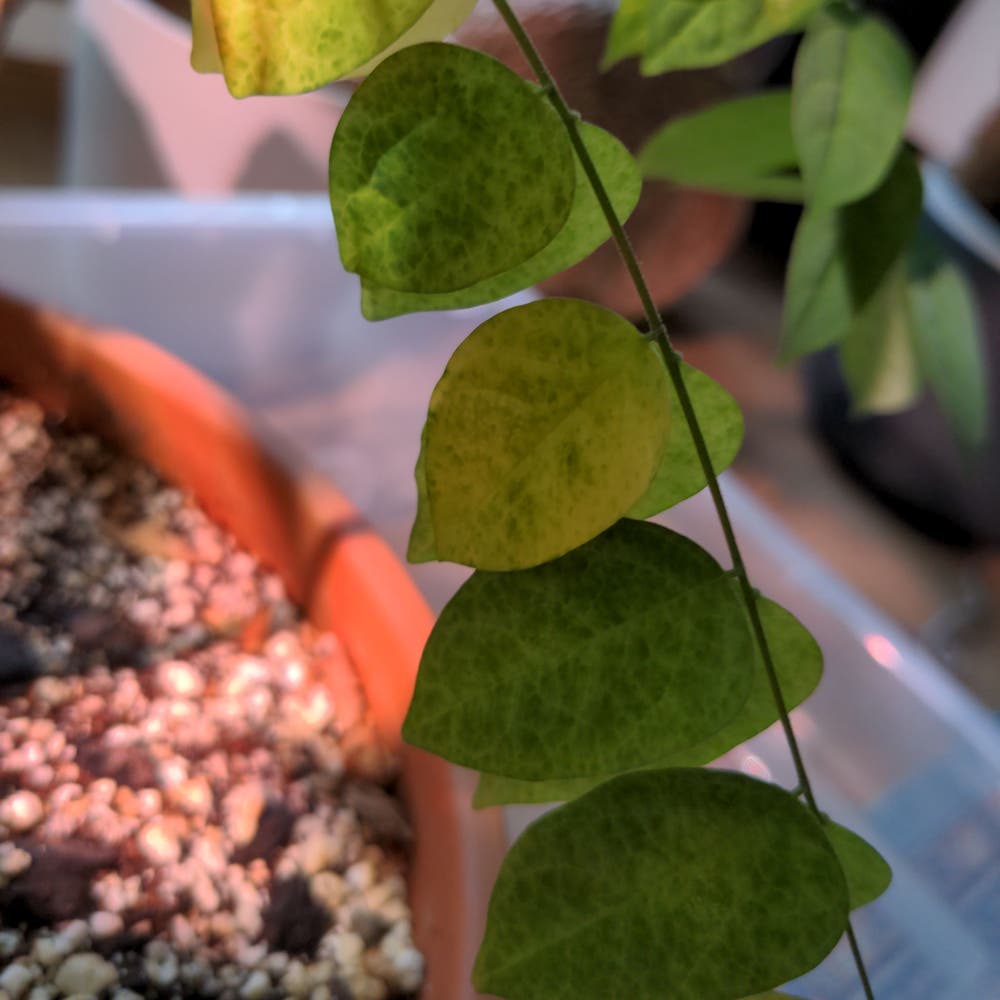
On the flip side, too little sunlight can lead to leggy growth, yellowing leaves, and poor fruit production. Monitoring these signs will help you maintain a healthy plant.
With these tips, you can effectively manage direct sunlight for your Starfruit, ensuring it flourishes beautifully. Next, let’s explore how window direction plays a role in sunlight exposure.
⚠️ Safety First
This content is for general information and may contain errors, omissions, or outdated details. It is not medical, veterinary advice, or an endorsement of therapeutic claims.
Always consult a qualified healthcare professional before using any plant as food, medicine, or supplement.
Never eat any plant (or feed one to pets) without confirming its identity with at least two trusted sources.
If you suspect poisoning, call Poison Control (800) 222-1222, the Pet Poison Helpline (800) 213-6680, or your local emergency service immediately.
Spotted an error? Please report it here.
Maximize your starfruit's sunlight success ☀️ with Greg's tailored care tips that help you avoid leaf burn and ensure bountiful growth!